
STEM activities for students
Every grade page here takes a STEM classic teachers already run, like the egg drop or the catapult, and rebuilds it to meet six things the research says separate a fun build day from one the class learns from. Find yours by grade, subject, or method.
Who we are. Mission.io makes Missions: teacher-led, whole-class simulations where students use what they’re learning to work through a real scenario together. In STEM, that might mean shoring up three islands before the tsunami arrives, or reading seismic maps to move a town somewhere safer.
Building them took years of research and development into what makes a class period worth it. These pages point what we learned at the build challenges you already run, so they’re worth the masking tape, with a free printable for each. Use any of it, with or without us.
On this page
The six things every STEM page here checks for
Most of the build challenges on our grade pages miss several of these the way they usually run. (At the usual egg drop, two kids build, two kids tape, and the teacher’s whole job is dropping eggs.) Each page shows the fix that gets its classic to all six, with a printable to run it. The research behind each one is on our problem solving activities for students page, whose grid scores STEM build challenges against the same six.
1. A real problem with stakes the class can feel
2. Apply, don't recall
3. Group goals with individual accountability
4. The teacher leads the thinking
5. A debrief where the class argues it out
6. A way to see who did what
Find your grade
Pick a subject, then your grade. The first row is the grade overviews: each one rebuilds a single build challenge, from the Three Little Pigs house in kindergarten to the water bottle rocket in 8th, and lists every Mission at that grade. Each subject name opens its hub, with all nine grades on one page.
By subject, by method, and by skill
By subject
Each subject hub says what a good activity looks like in that subject, by the standards it answers to (NGSS, NCTM, CSTA and ISTE), and links all nine grades. The technology pages rebuild unplugged classics: binary bracelets, a Caesar cipher, a human sorting network.
By teaching method
The named structures, with steps, and where whole-class Missions fit (and where they don’t). To try one with your staff before your students, there’s the Faculty Mission.
By human skill
Every build challenge here is also a group-work problem. Each skill has its own hub, with a page for every grade, K to 8.
For science leaders choosing a curriculum
Eleven NGSS programs on one rubric, with EdReports by grade band, cost structure, and a verdict for each.
Our part · We make Missions
Six Missions to start with
A Mission is a teacher-led, whole-class simulation: the class can become the crew, the crisis is built from the unit you just taught, and the only way through is using it together. Here are six from the 100+. Start with the first one; the other five cover all four letters of STEM.
Across grades and all four subjects
Communication Mission briefs by grade: K to 1, 2 to 3, 4 and up. Tsunami has three builds: 3rd, 4th, and 5th to 8th. Free for teachers, no credit card. One device per student, plus your projector. 5 minutes of prep, with the Teacher Preview.
“Unprompted, the students all began to applaud like you see in the videos of NASA control rooms. It made my day.”
- The Communication MissionRun this one first. It gives your class the training to run any Mission in the library.
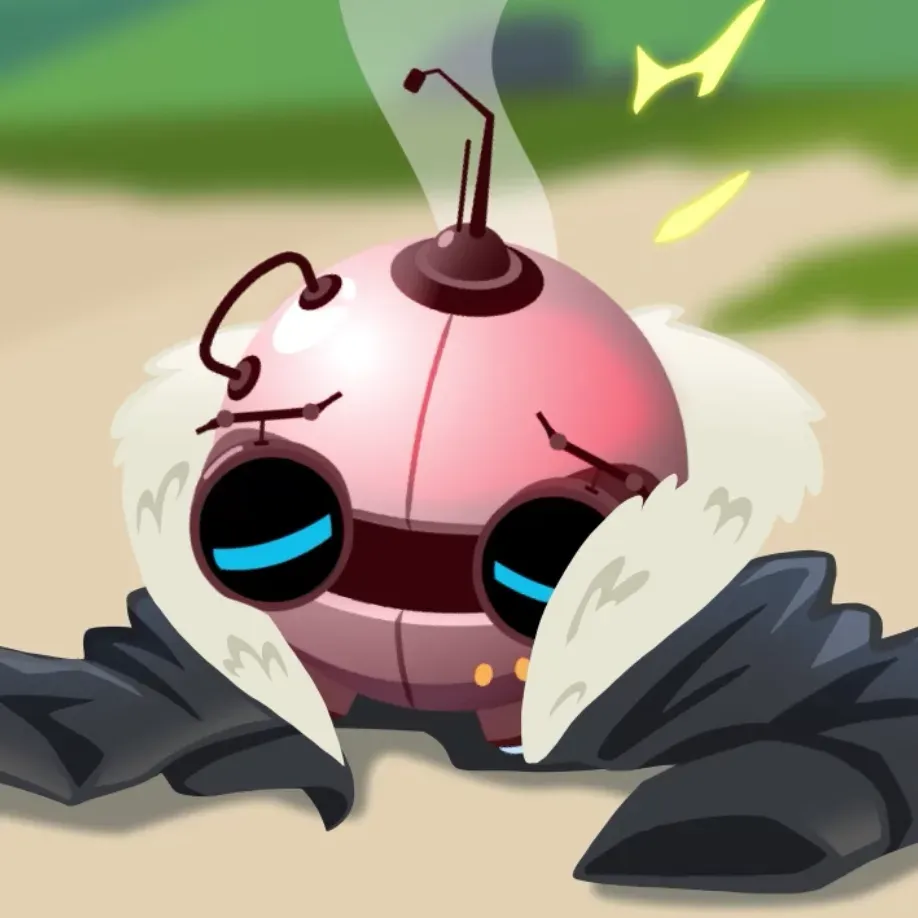
- Beach FrenzyRALF is overheating on the beach. The class weighs how each fix changes his temperature, then picks the design that protects him best.
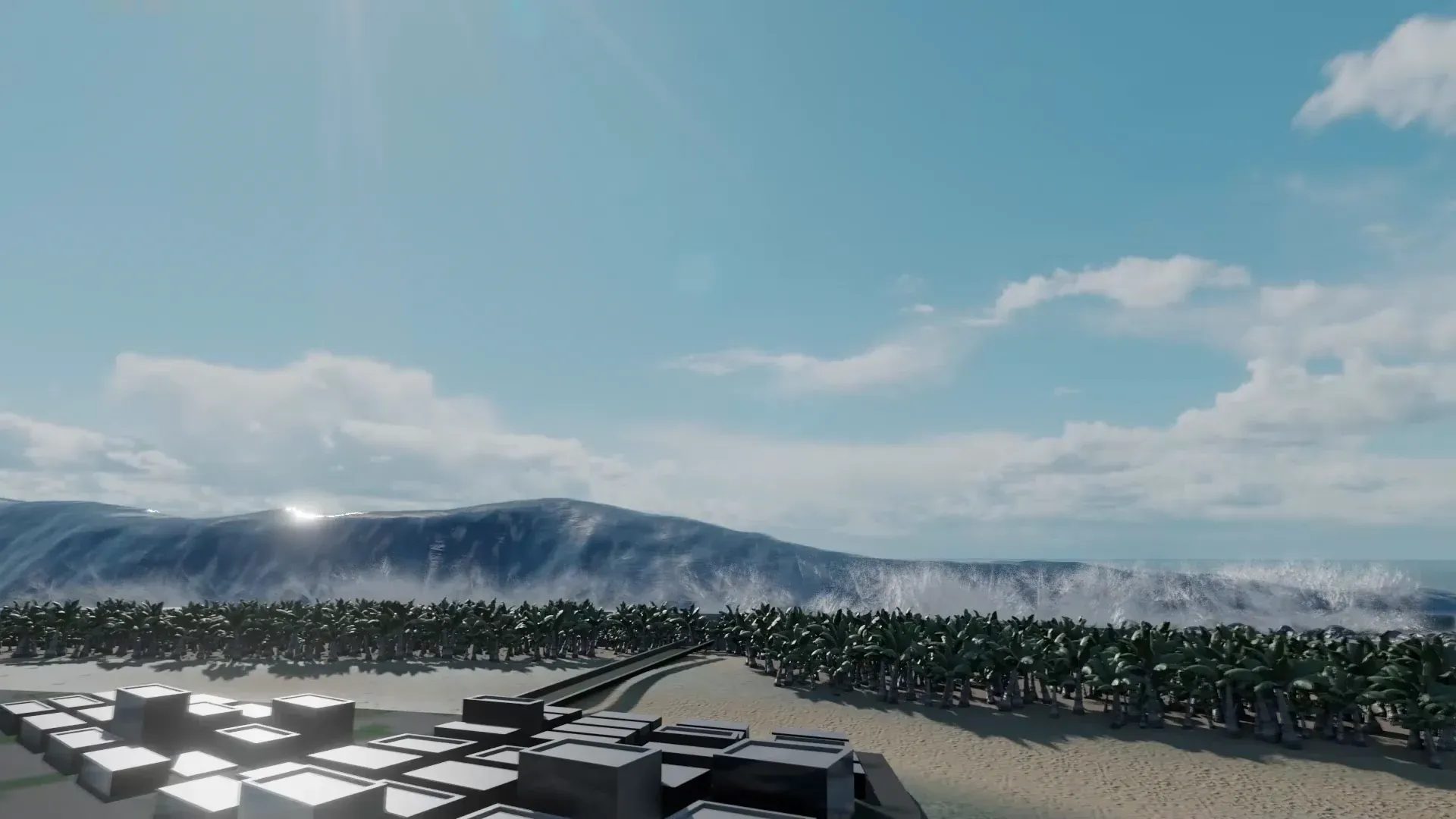
- TsunamiA deep-ocean earthquake has sent a tsunami toward three islands on Viper I. Teams improve each island’s defenses to fit its city and its coastline.
- Cyber Defense ForceA firewall update leaves a defense system open. Teams sort safe from phishing with the S.T.O.P. method.
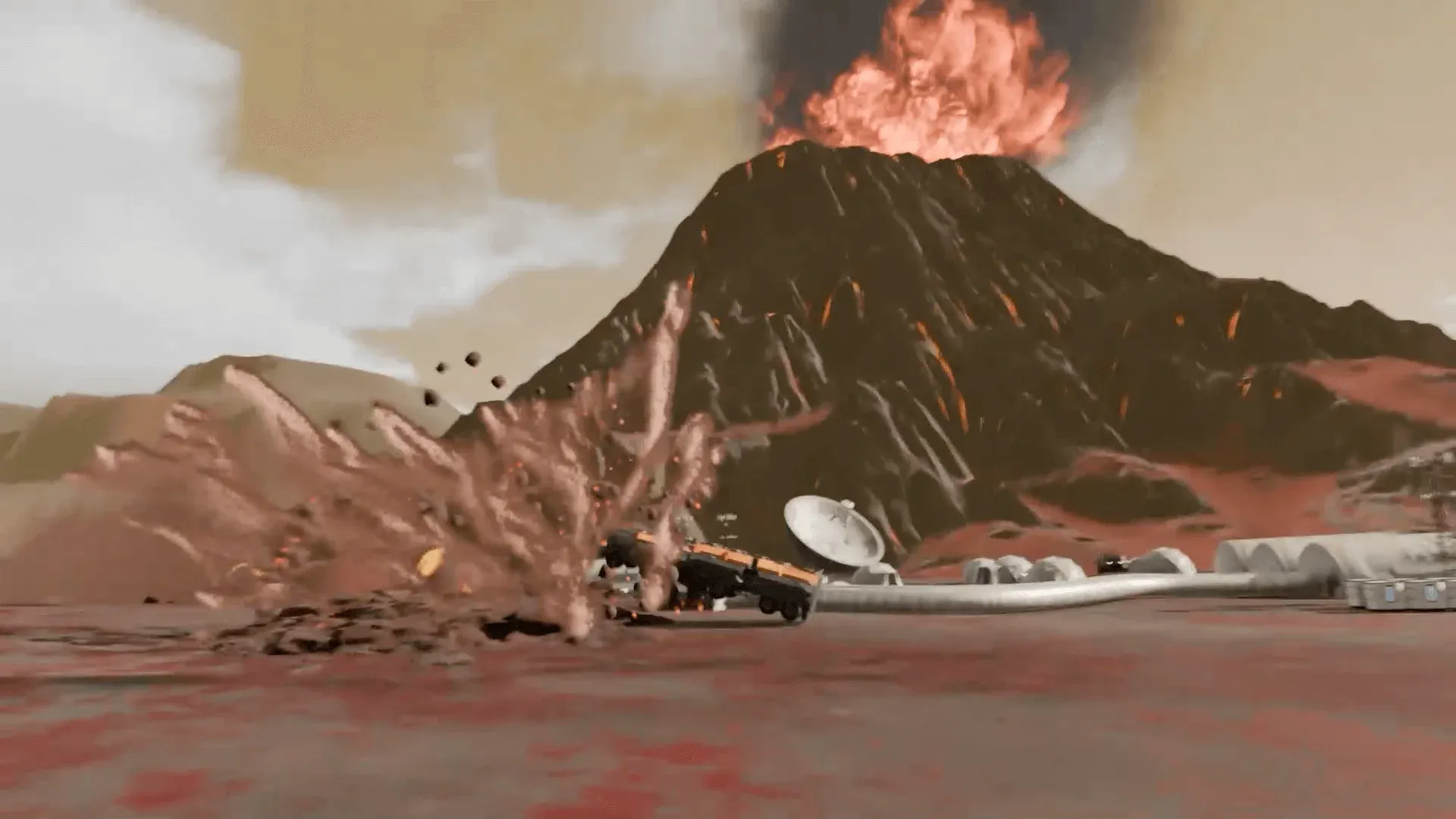
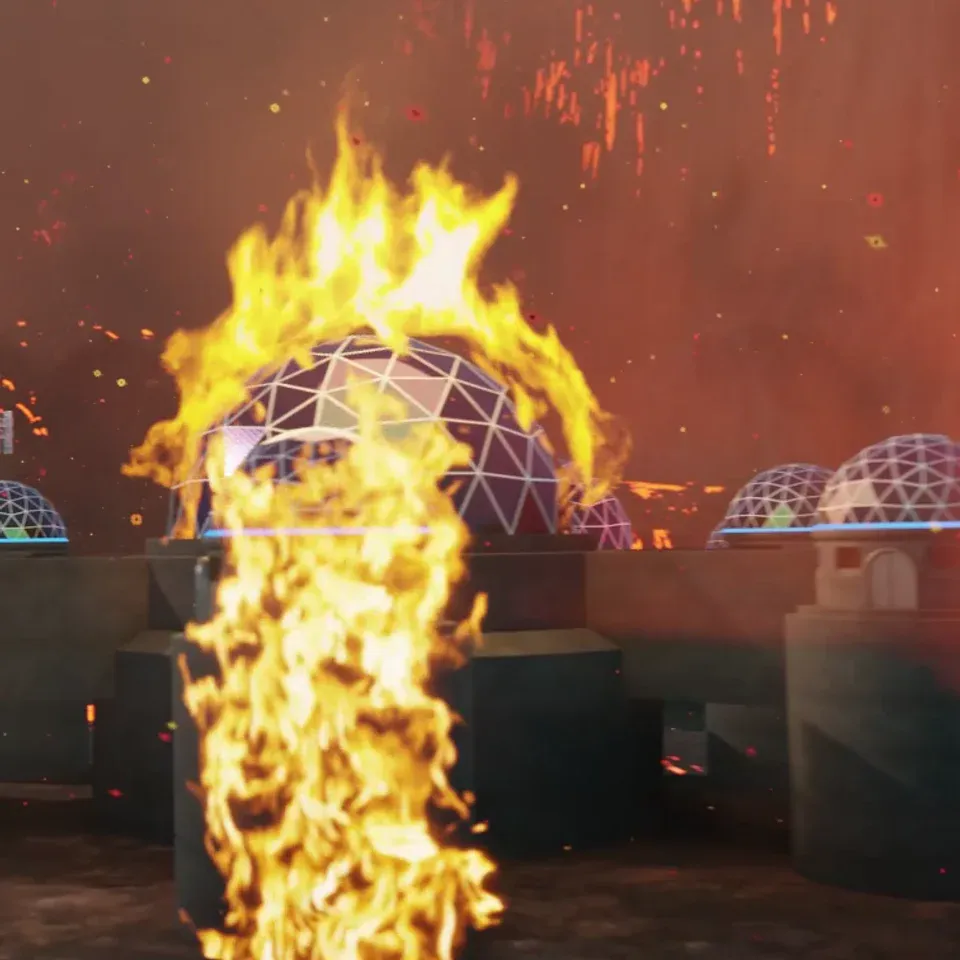
- Mount KatastrofiSeismic activity has damaged a settlement on Vespus 1. Teams read the maps for patterns, work out what else could hit, and find the town a safer home.
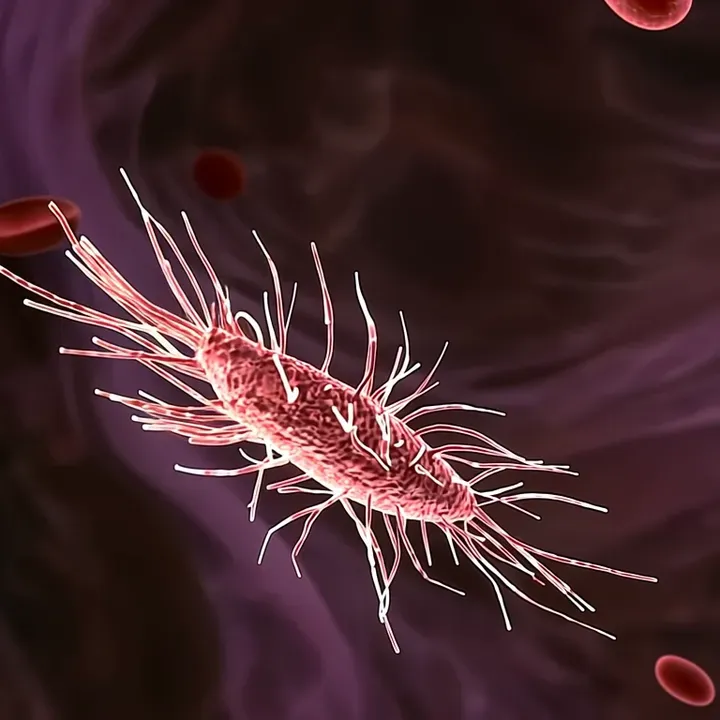
- InfectionAlien bacteria are spreading through an astronaut’s tissue toward vital organs. Teams map the infected zone so the treatment spares healthy tissue.
Start with your grade’s build challenge
Each grade page rebuilds one classic to hit all six, with a printable to run it and every Mission at that grade.