
WHY WE EXIST
The world is racing to make technology smarter. We make humans more capable.
We do it by building around the teacher, still the most powerful technology in the room.
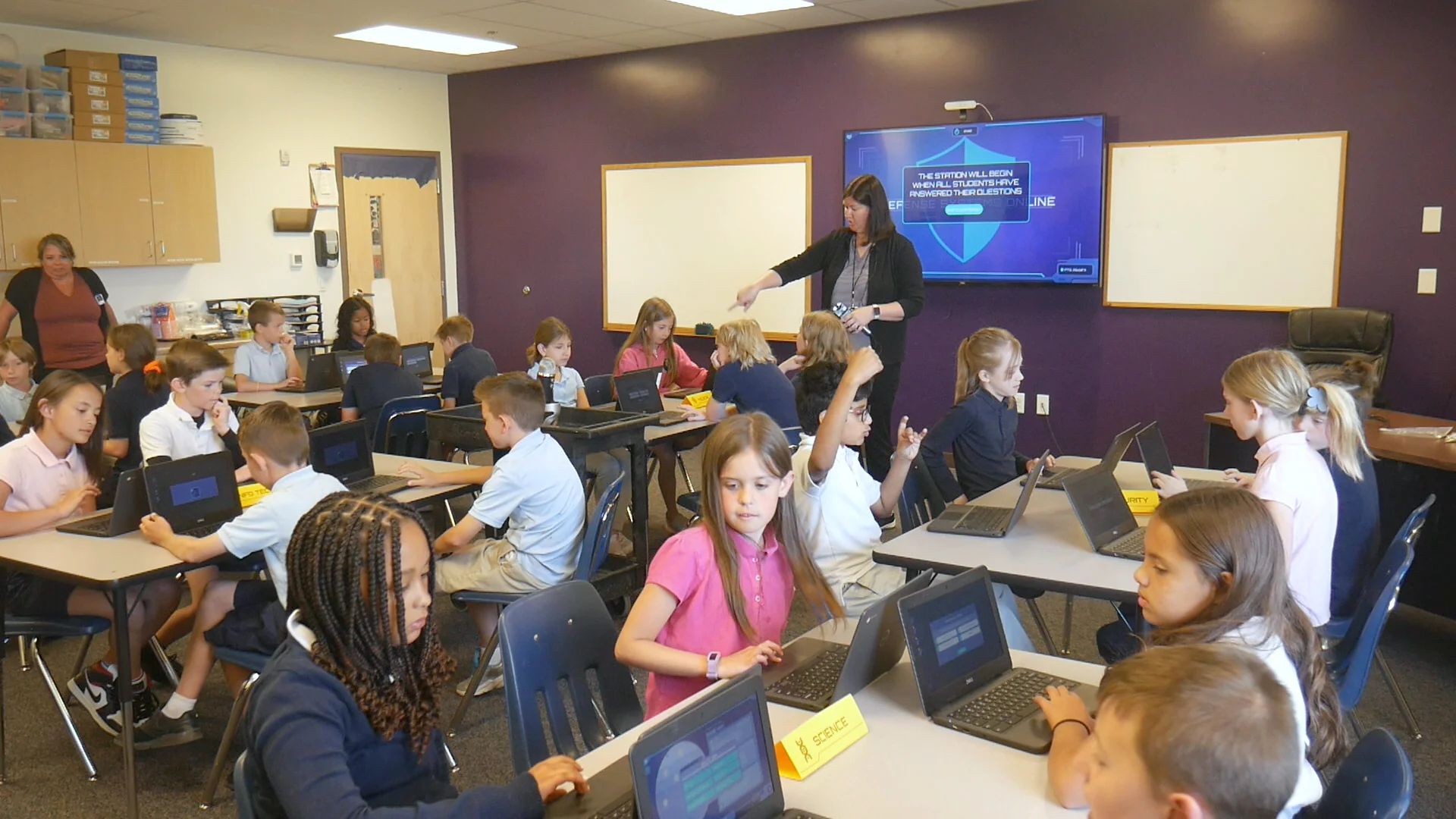
We make Missions. Nobody gets through one alone.
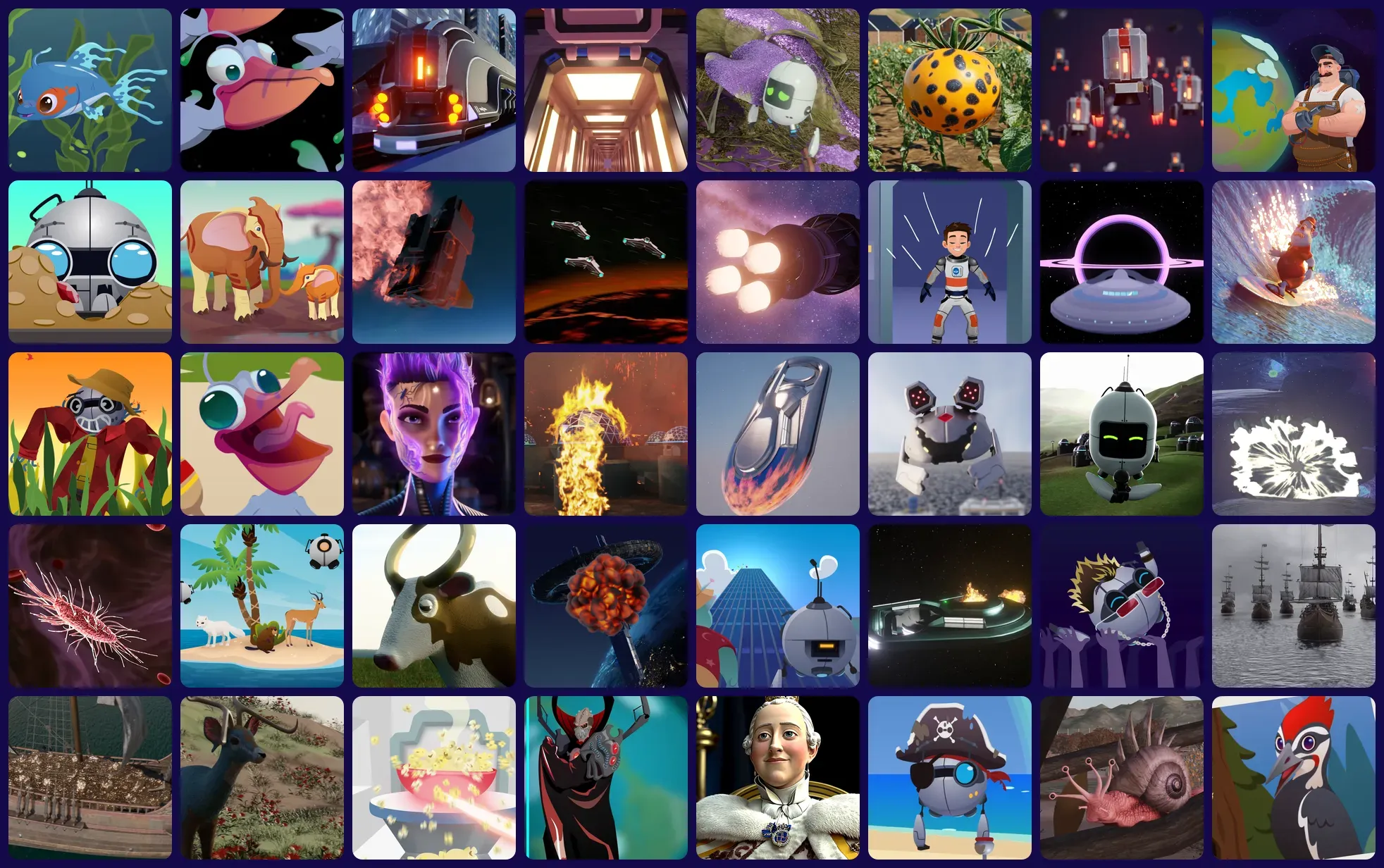
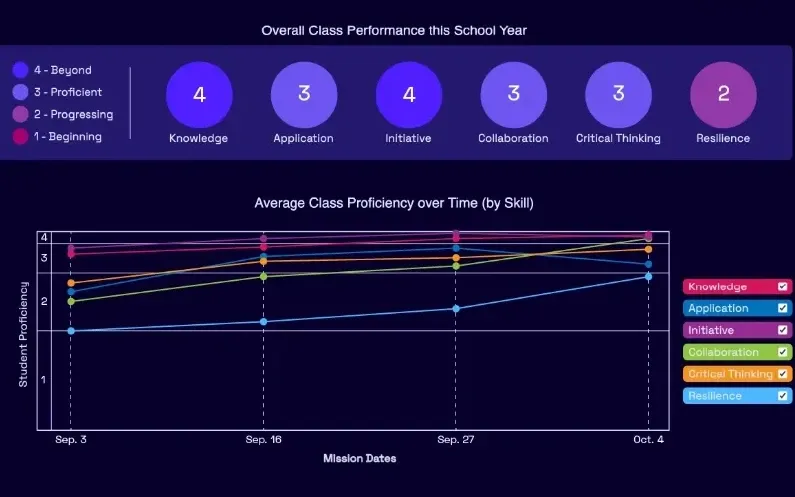
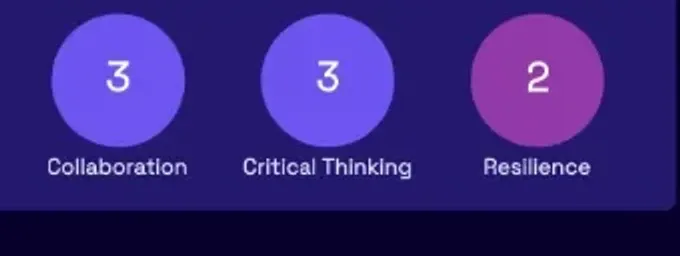
Teacher-led, whole-class simulations built from what the class is learning. The room becomes a spaceship, a time machine, a command center. Every student gets a report on how well they did.
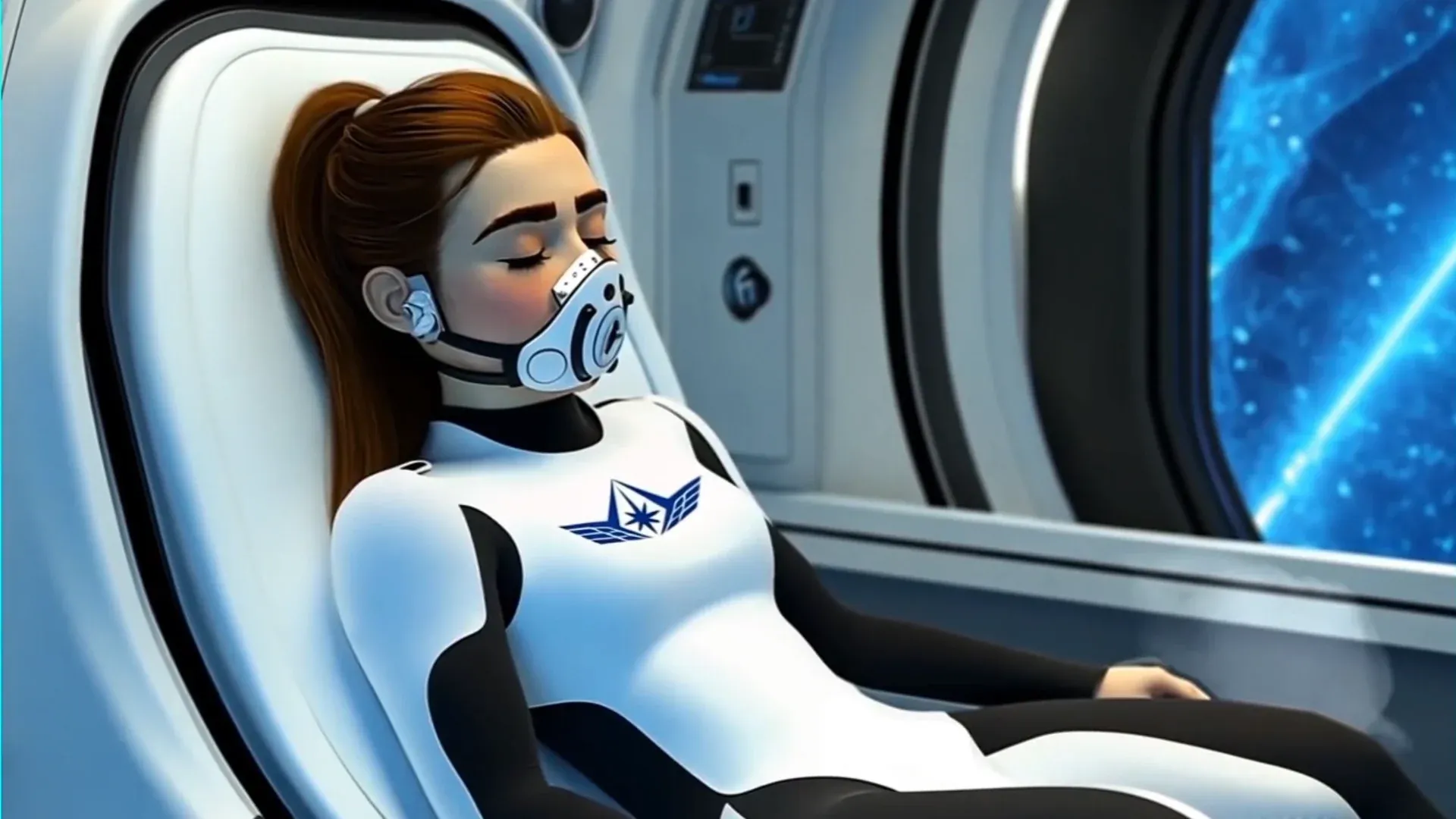
A SPACESHIPInfection
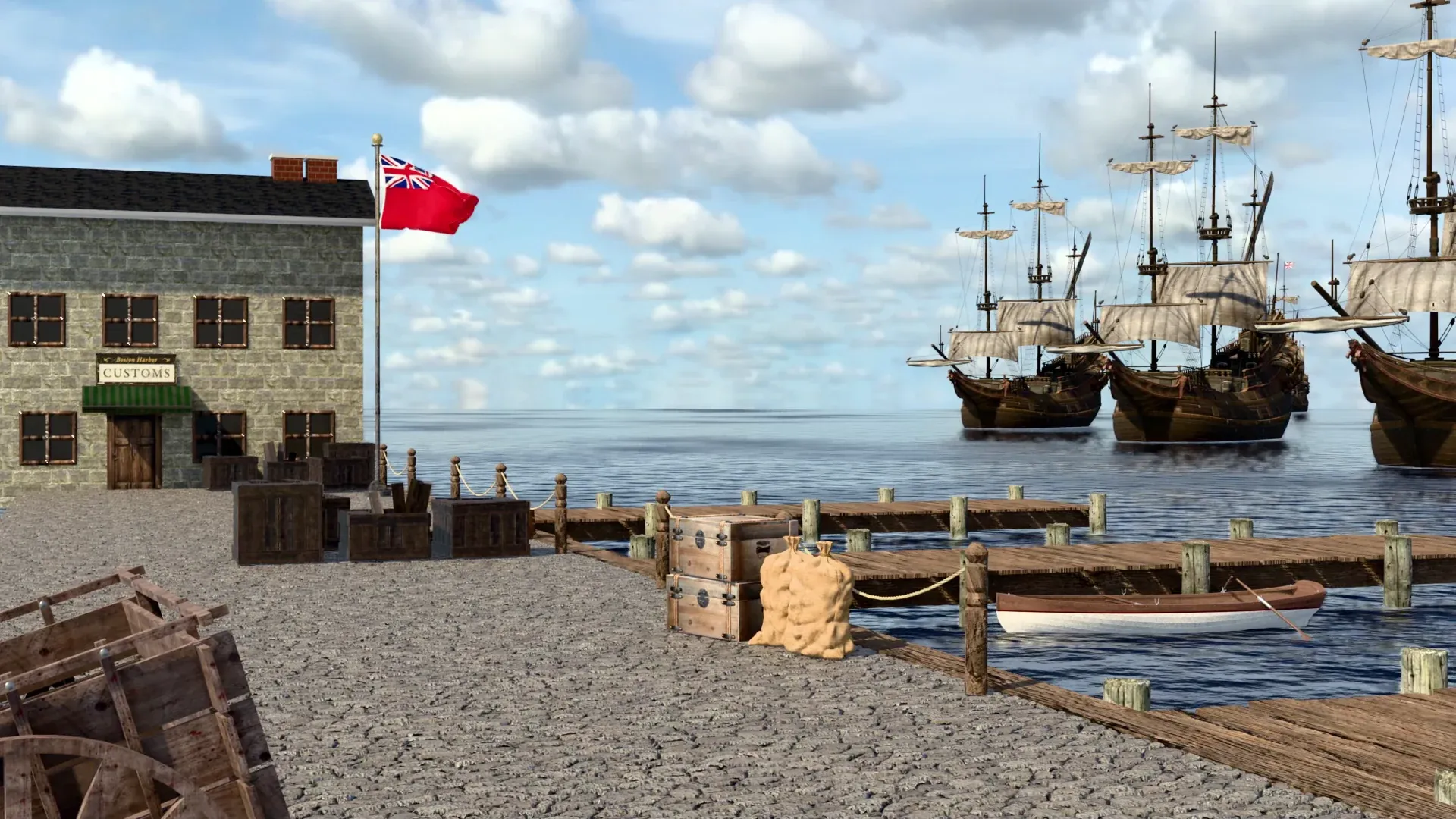
A TIME MACHINEThe Revolution, Part 2
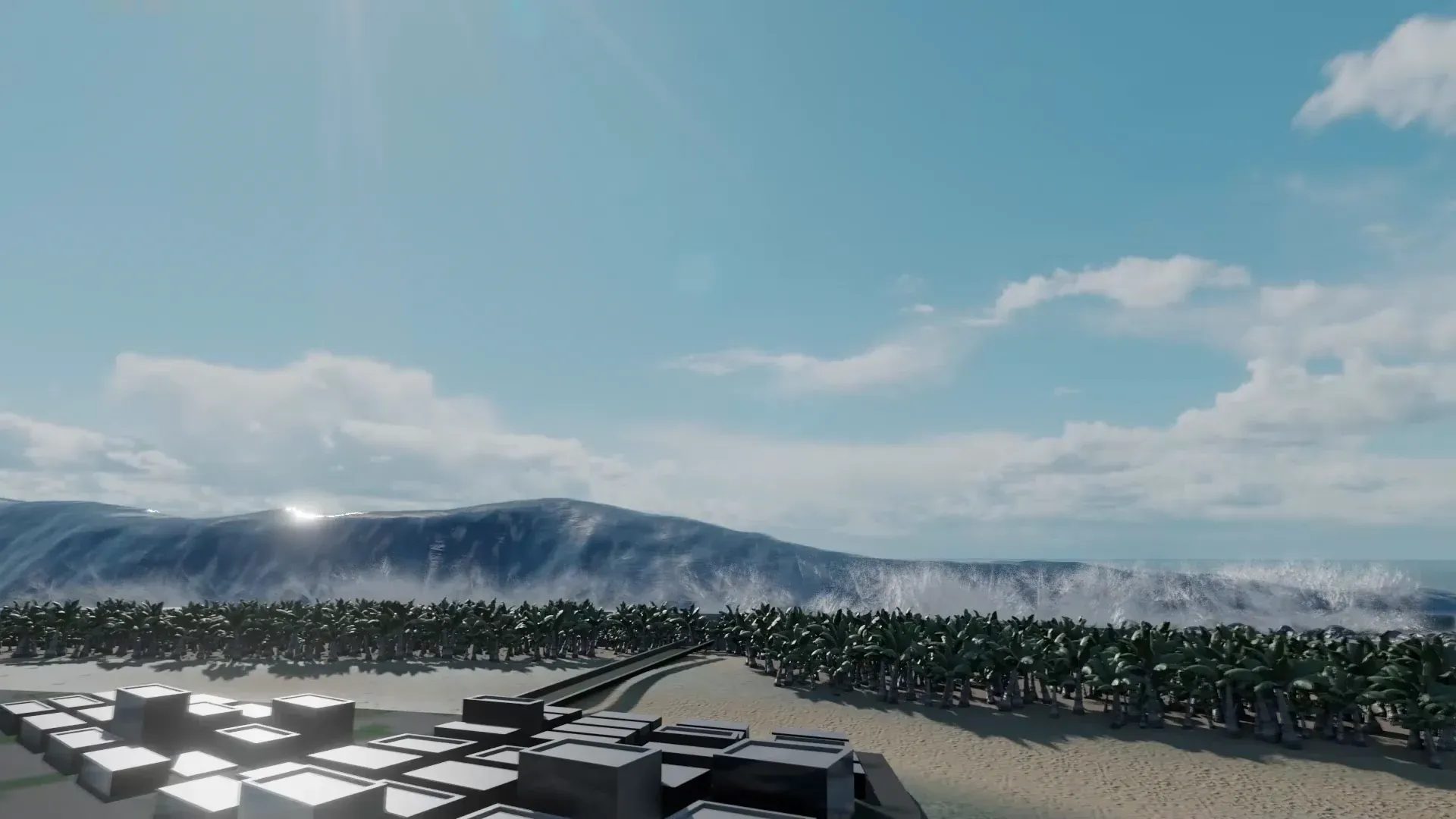
A COMMAND CENTERTsunami
No bus, no permission slips.
“Having to navigate the ship together... had them up, moving around, and speaking to other students that they would never choose to interact with otherwise.”
It started with a spaceship in an abandoned church.
We built the room first. Then we learned how to measure what happens in it.
2013
THE CHURCH
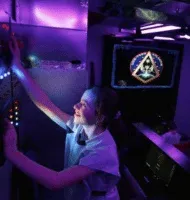
An abandoned church became our first spaceship: field trips, camps, and after-school programs. The first thing we noticed was that nobody got through it alone.
Yes, an actual church.
2015
THE BALL CLOSET
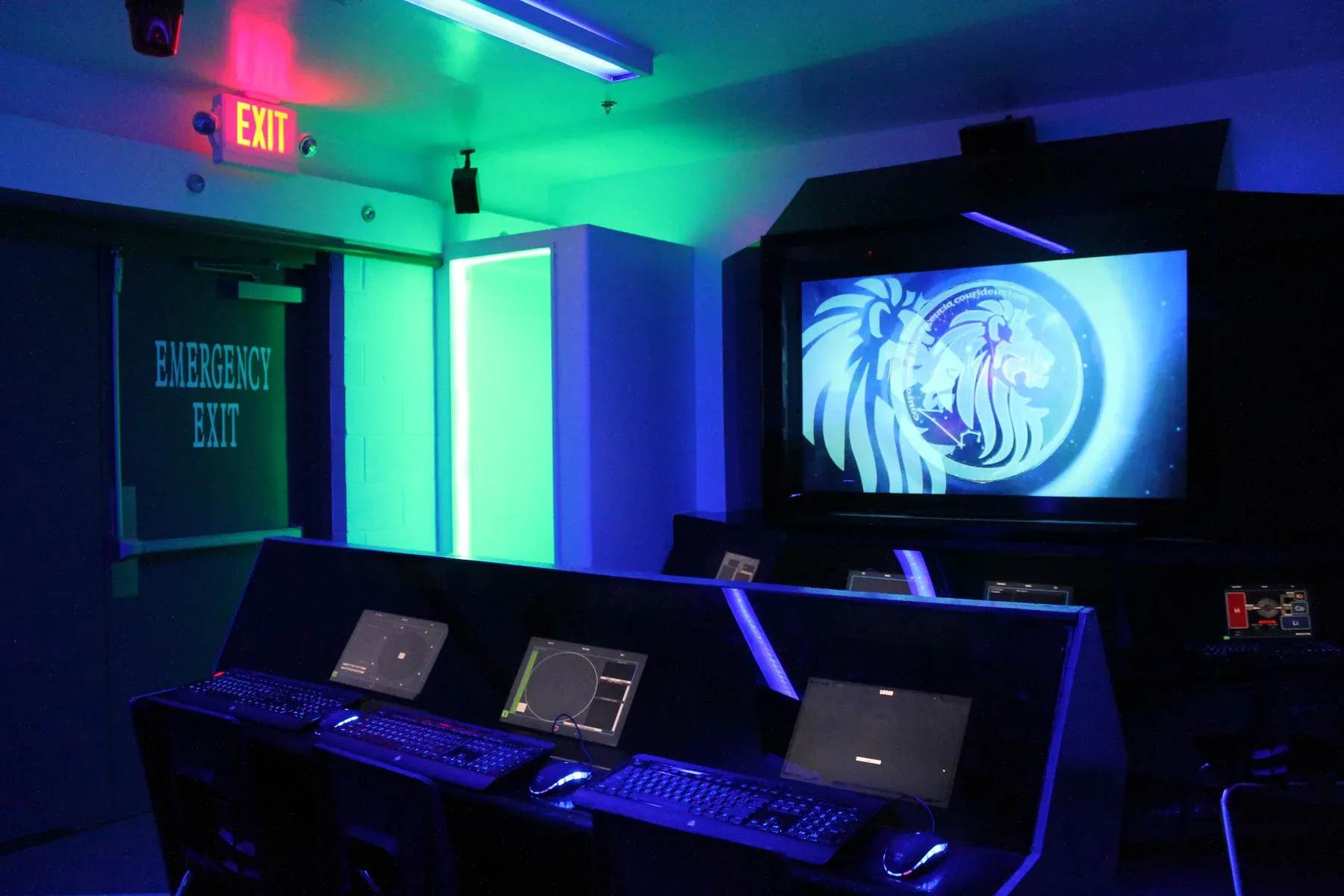
We turned a school’s forgotten equipment closet into a spaceship and proved it could live inside a regular school day, not just a field trip.
Your school has one too.
2017
THE GRANT
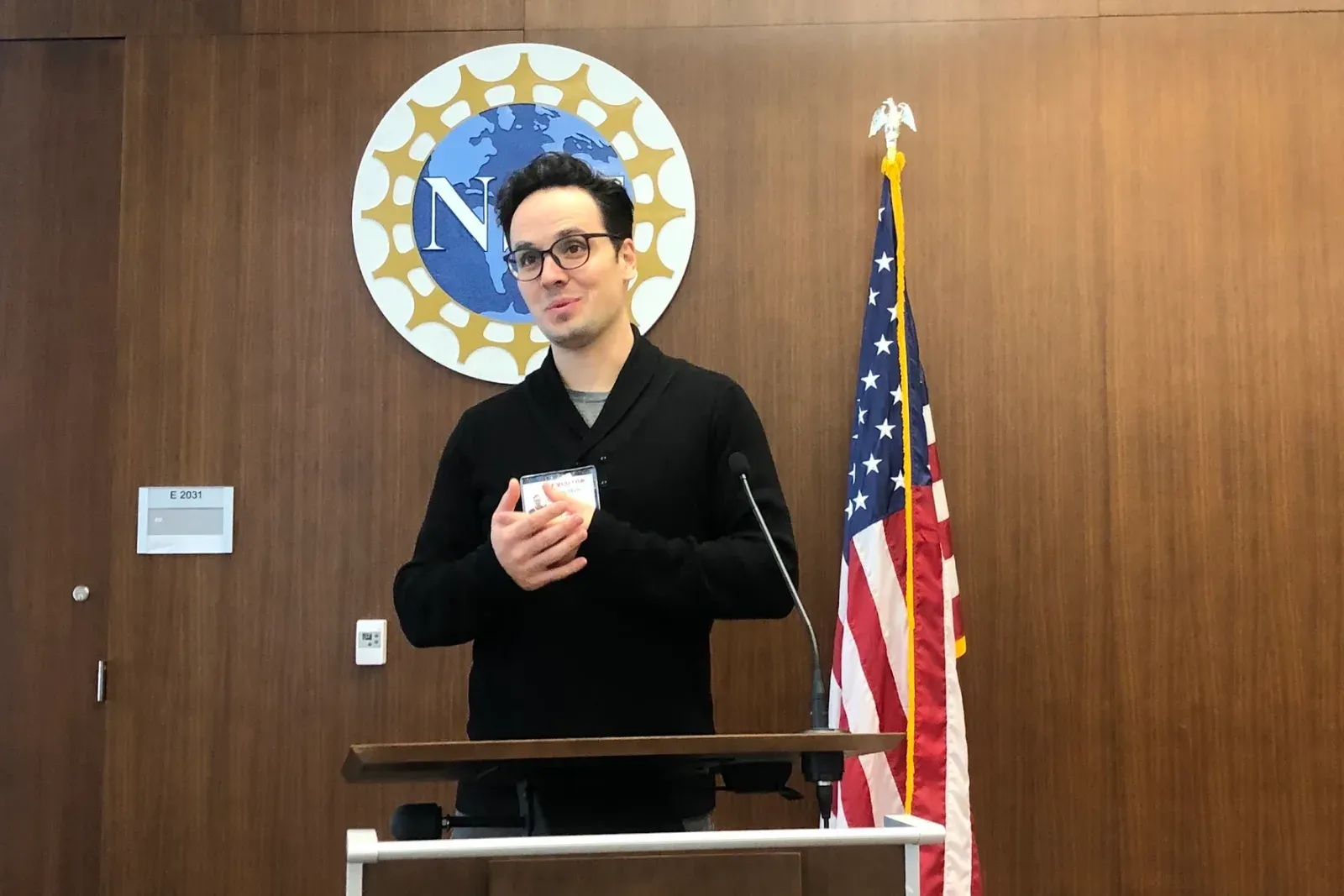
Our first federal research grant, from the National Science Foundation, turned an unused hallway into our R&D lab. The research has never stopped.
Every startup gets a garage. Ours was a hallway.
2018
THE COMPUTER LAB
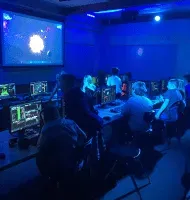
Our first prototype turned school computer labs into the bridge of a ship, with the teacher running the room from the front. That detail became the company.
2021
THE LAUNCH
We opened the platform to the public, and Missions started running in classrooms we’d never set foot in.
2024
THE NAME
Infini-D Learning became Mission.io. New name, same room, a lot more classrooms.
Easier to spell, too.

2026
THE PROOF
An independent study of 53 classrooms came back, and students who ran Missions had pulled ahead. The numbers are right below.
THE RESEARCH
Then we had independent researchers check our work.
We didn’t grade our own homework.
Our research has been funded by the National Science Foundation and the U.S. Department of Education’s Institute of Education Sciences. In 2025-26, an independent study followed 1,039 fifth graders in 53 classrooms.
Knew more.
52% vs. 45% correct
g = 0.335, p < .001 · +0.94 percentage points per Mission (p < .001)
Wrote better.
2.69 vs. 2.39
6-point rubric, independent raters
g = 0.269, p = .015 · climbs per Mission (p = .049)
More engaged.
On an independent scale
g = 0.173, p = .009
In knowledge and writing, the more Missions a class ran, the more its students grew.
Mission.io meets ESSA Level II standards, as validated by Instructure.



- 2017National Science Foundation, SBIR Phase I
- 2019-23National Science Foundation, SBIR Phase II
- 2023-24U.S. Department of Education’s Institute of Education Sciences, SBIR Phase IB
- 2024-26U.S. Department of Education’s Institute of Education Sciences, SBIR Phase II
Independent study by Instructure (Bautista et al., 2026). Meets What Works Clearinghouse baseline equivalence standards.
A test shows what a student remembered. A Mission shows what they can do with it.
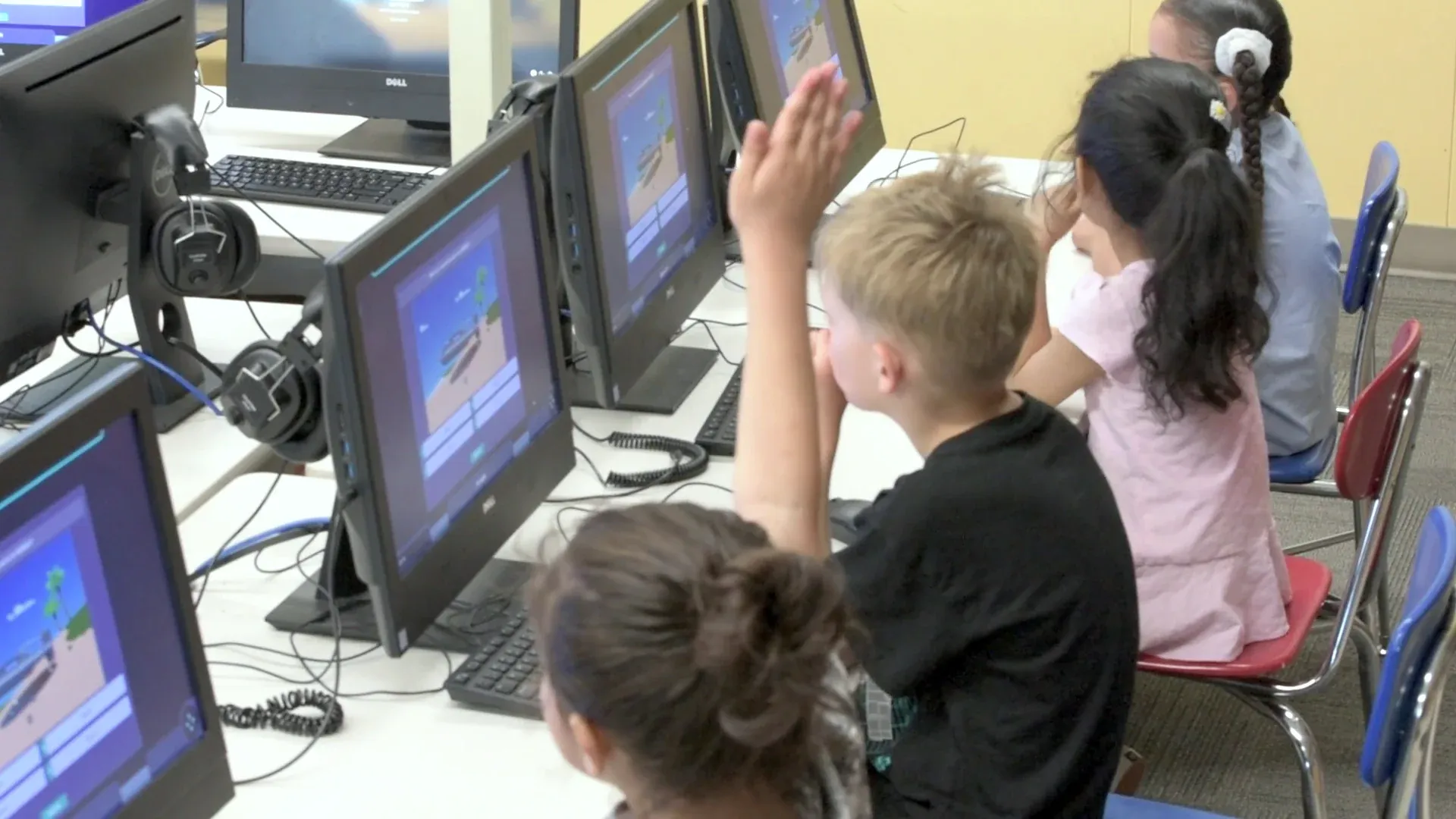
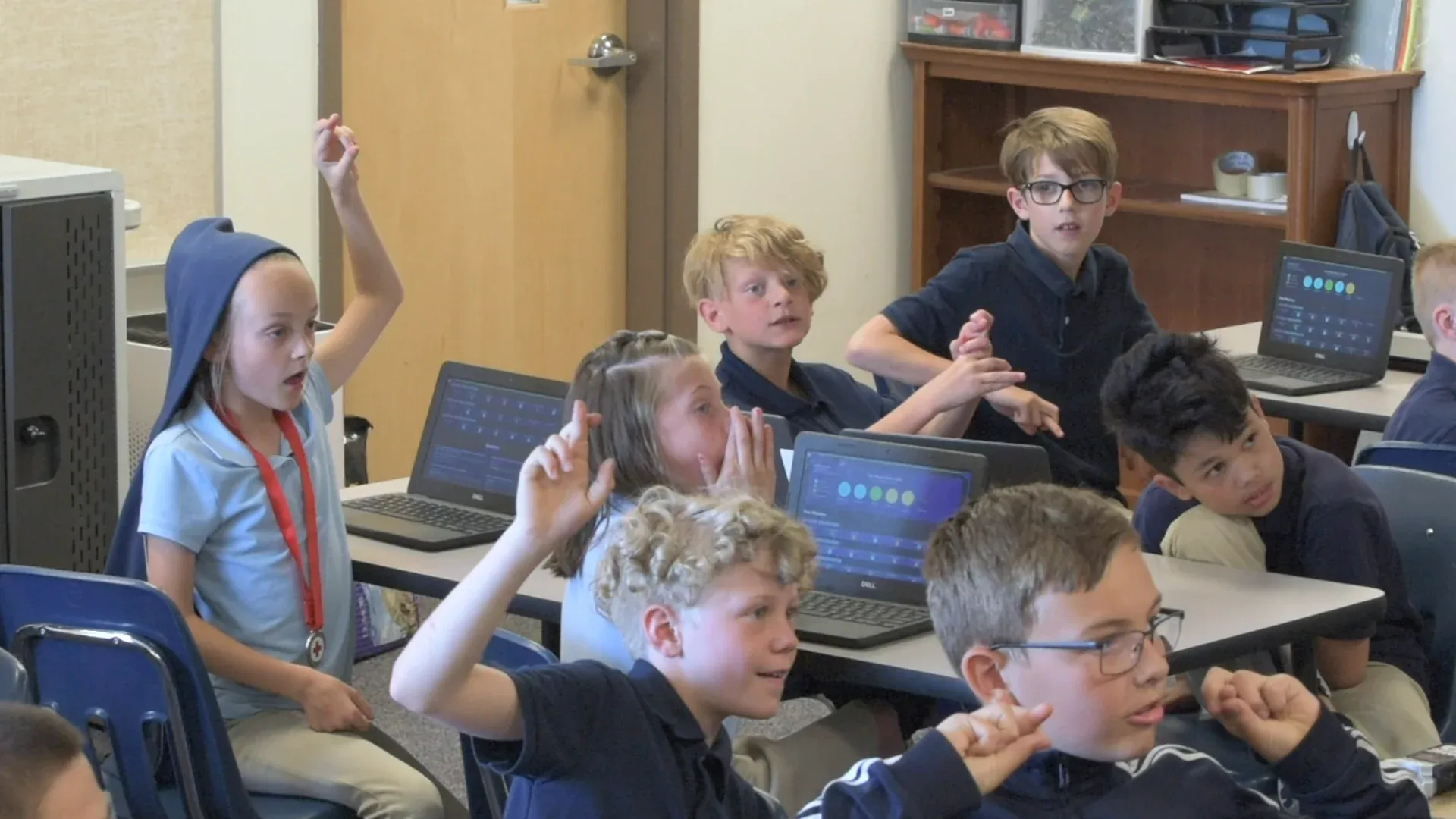
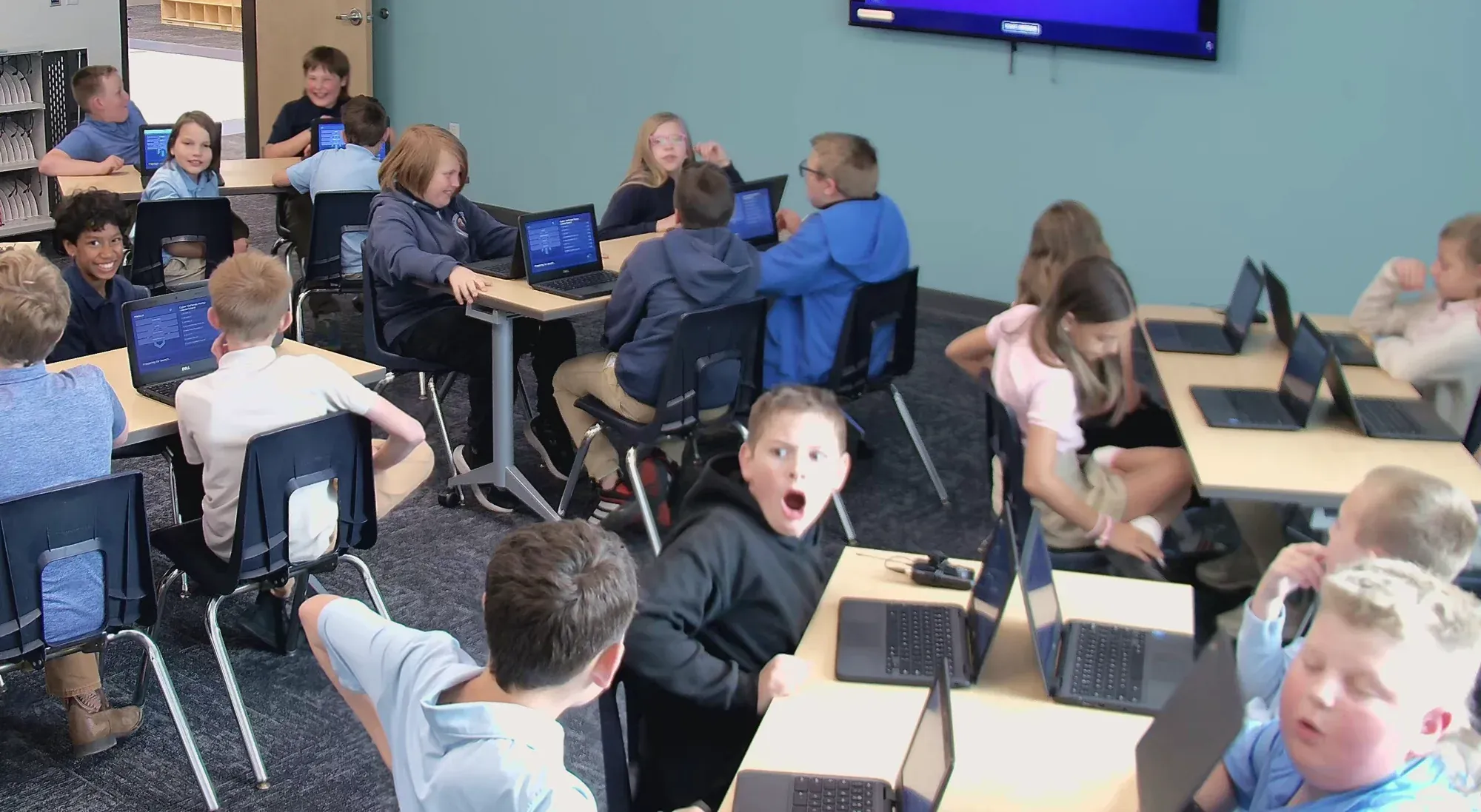
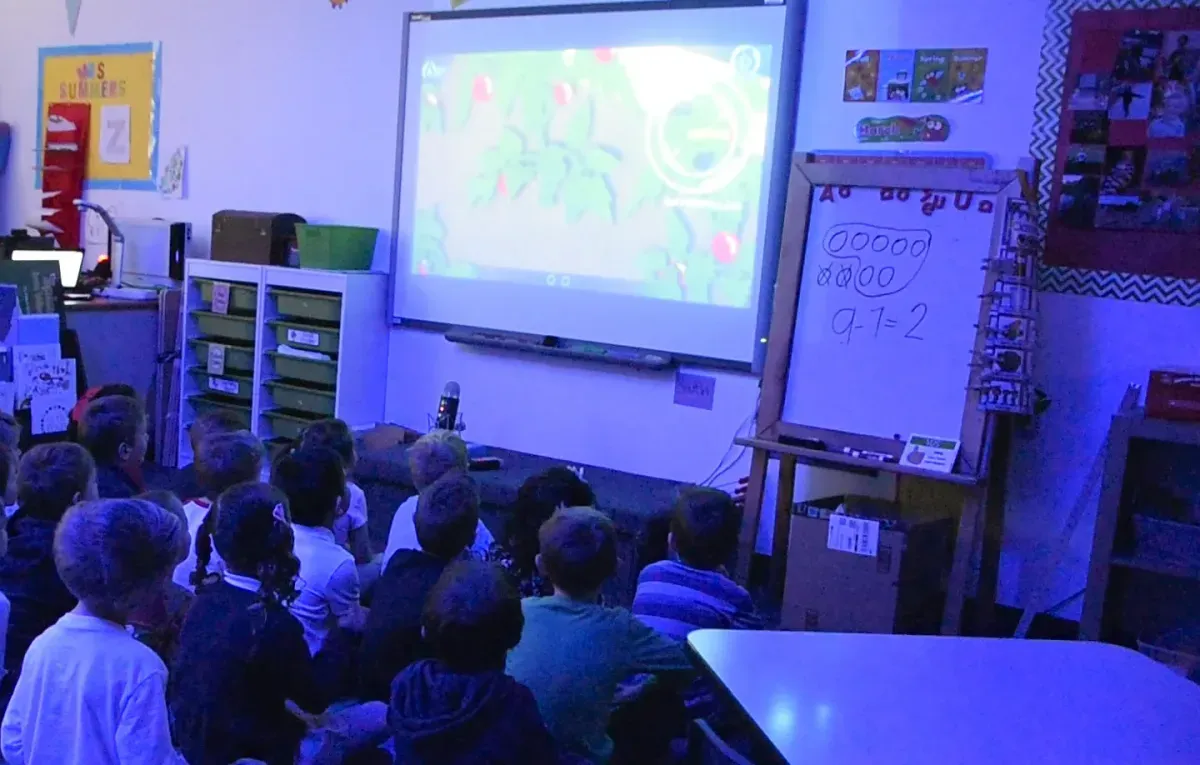
Most screen time makes kids look down, alone.
A Mission makes the whole class look up: at each other, at the problem, at their teacher. That idea has carried us from the church to over a million students.
FOR PARENTS AND SCHOOL BOARDS →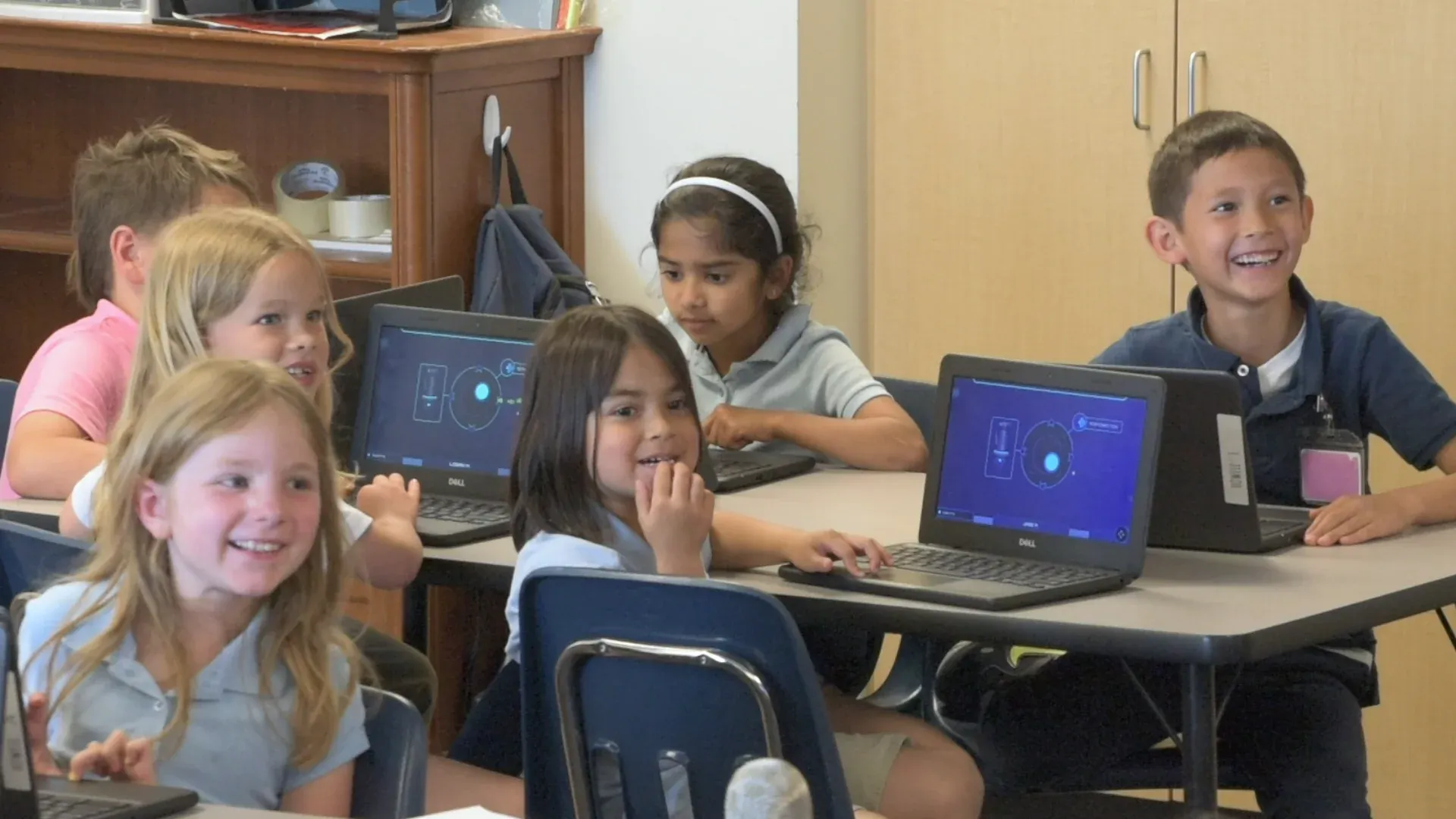
The screen time you can defend at a board meeting.
“Unlike other tech programs in the district that often have students working in isolation or in pairs, Mission.io emphasizes true collaboration.”
People noticed.
1,000,000+
students and counting
 Showcase winner, 2023
 Wild Card winner, 2023
 Finalist, 2020
 Finalist, 2023-24
 Inaugural cohort, 2023-24
What edtech should have been all along.
A whole class working it out together, a teacher captaining the learning, and every student seen. It has been the plan since the church.