
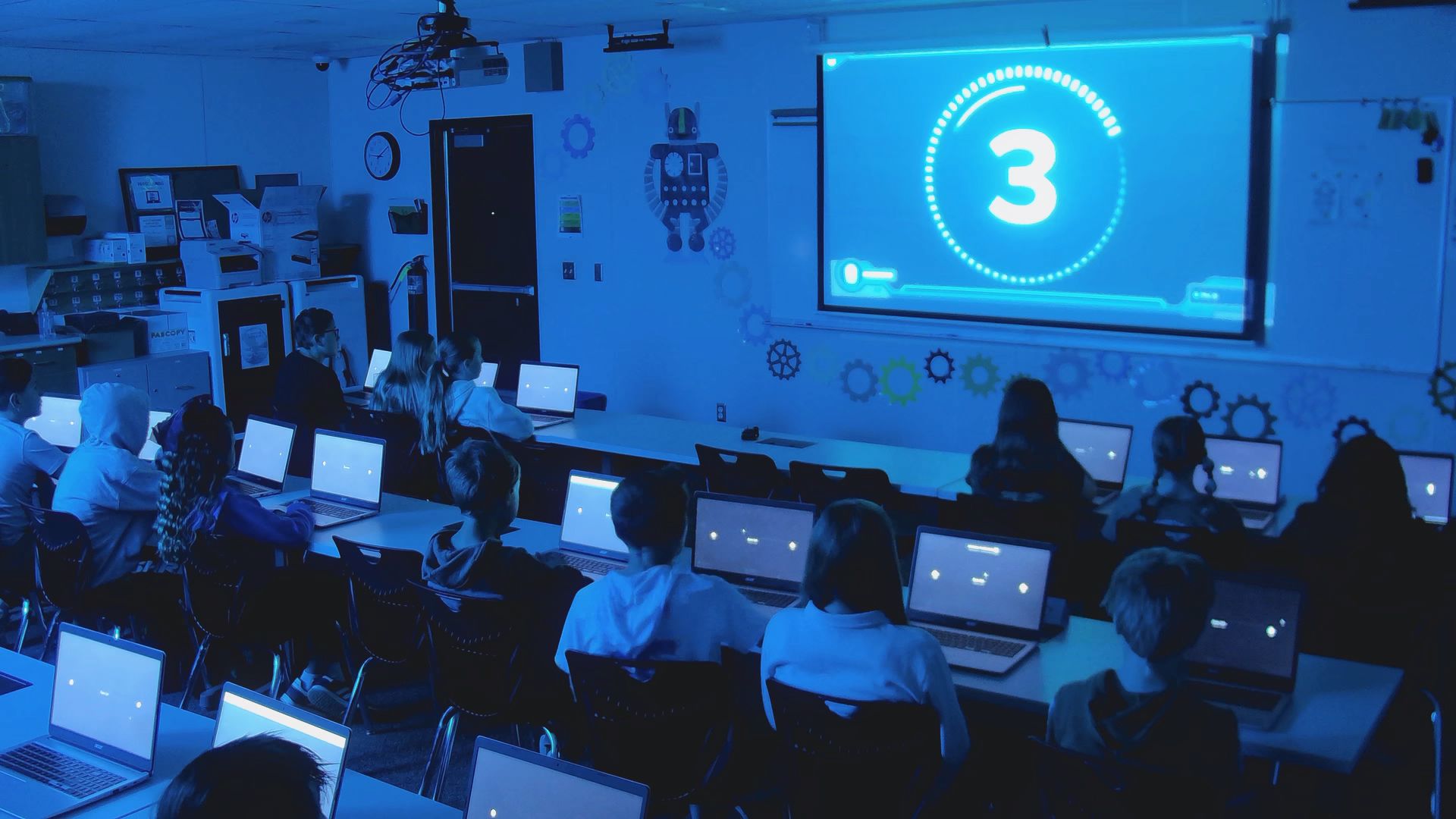
TEACHER-LED, WHOLE-CLASS SIMULATIONS
Turn your lesson into a Mission
Give every lesson somewhere to go: a real problem your whole class solves with what you just taught.
Run your first Mission this week. 5 minutes of prep. Free, no credit card.
Inside a Mission
Don't blame them. Nobody shows up for a worksheet.
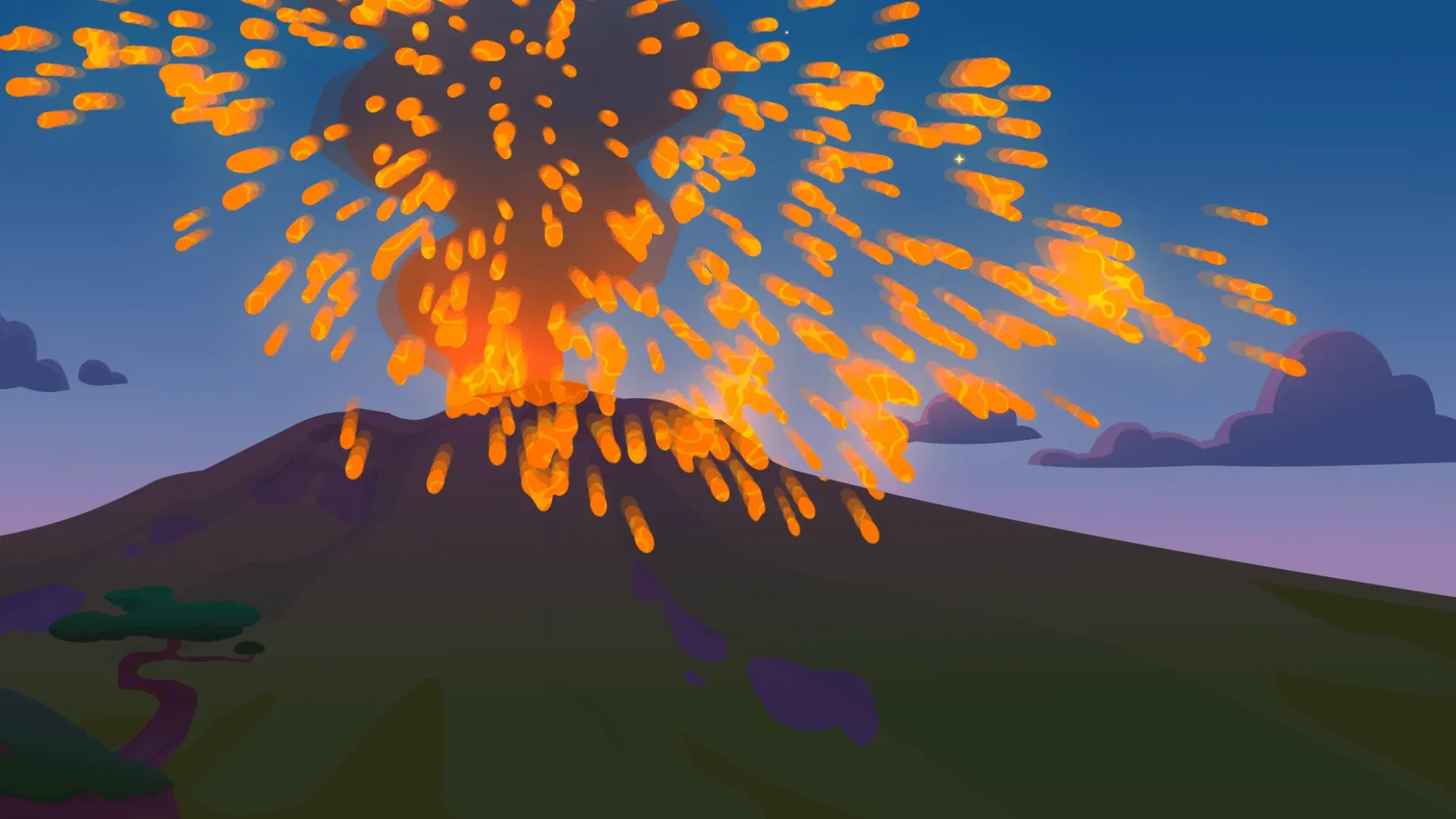
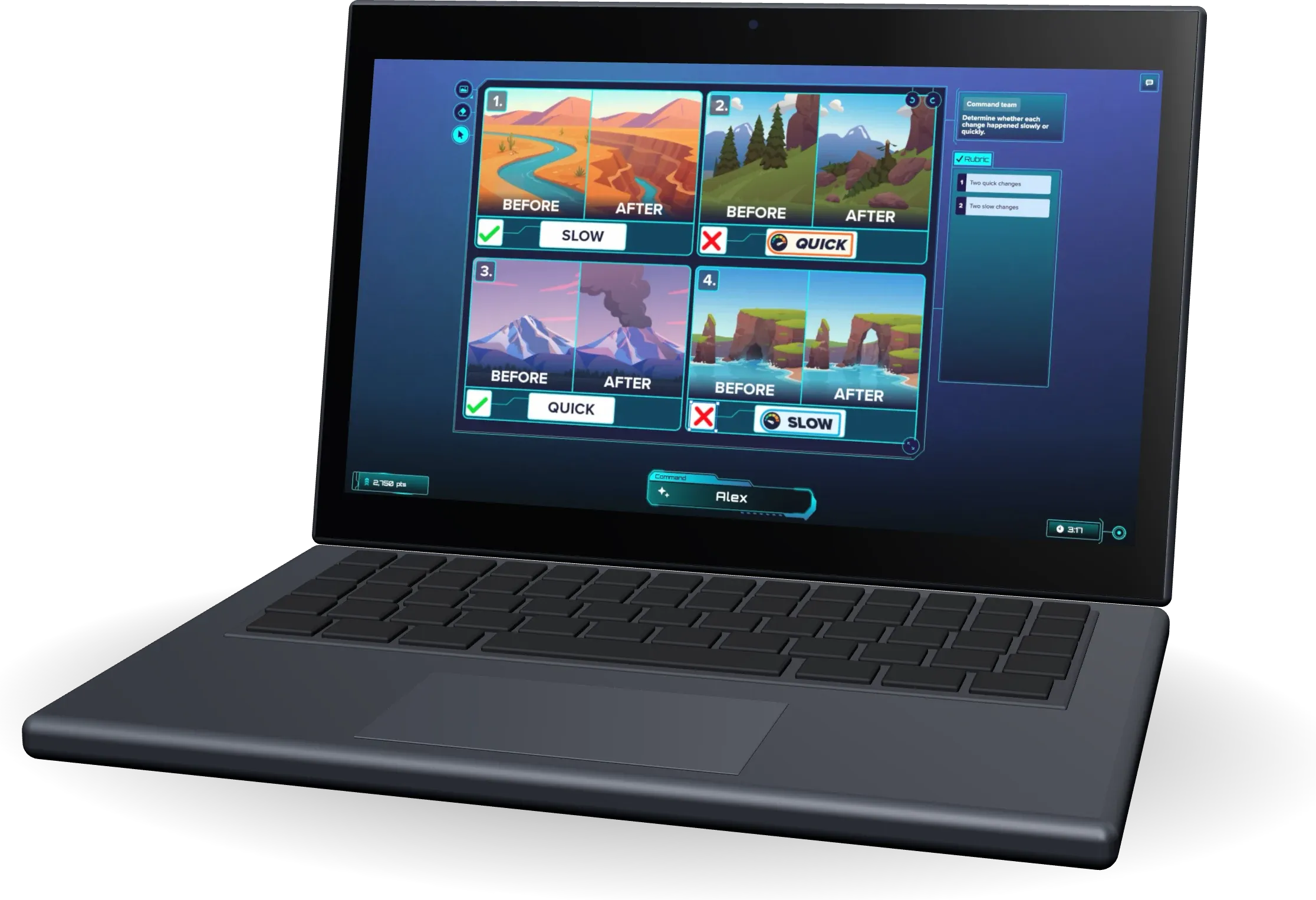
GRADE 2 SCIENCE · 2-ESS1-1
The Speed of Change
The Speed of Change. The AI that manages Earth's surface glitched and scrambled the history of natural events. Teams sort the evidence to set the record straight.
Each team gets differentEarth changes to analyze:quick or slow?
They'll show up for this.
GRADES 3-5 ENGINEERING · 3-ESS3-1, 4-ESS3-2
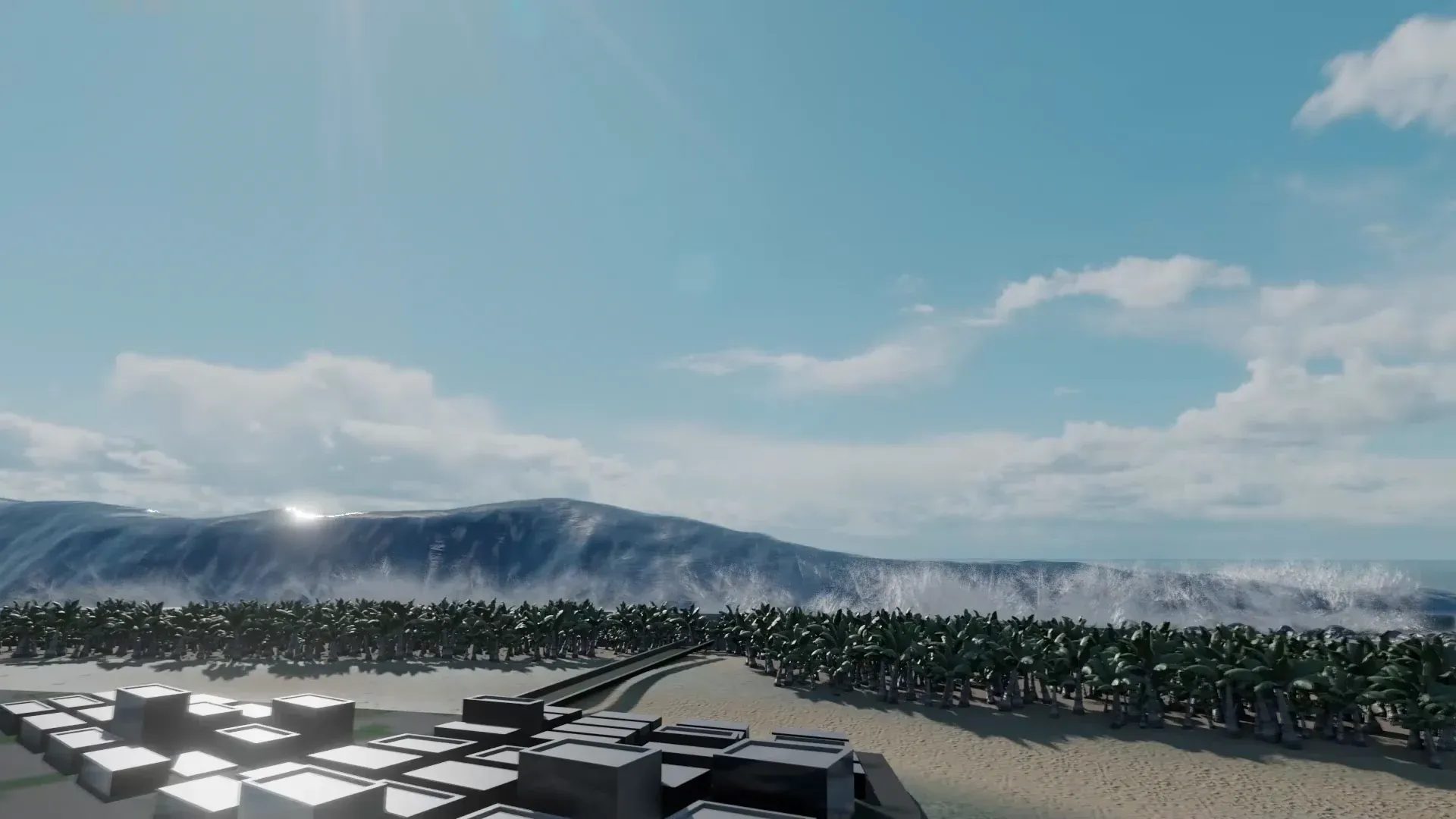
Tsunami
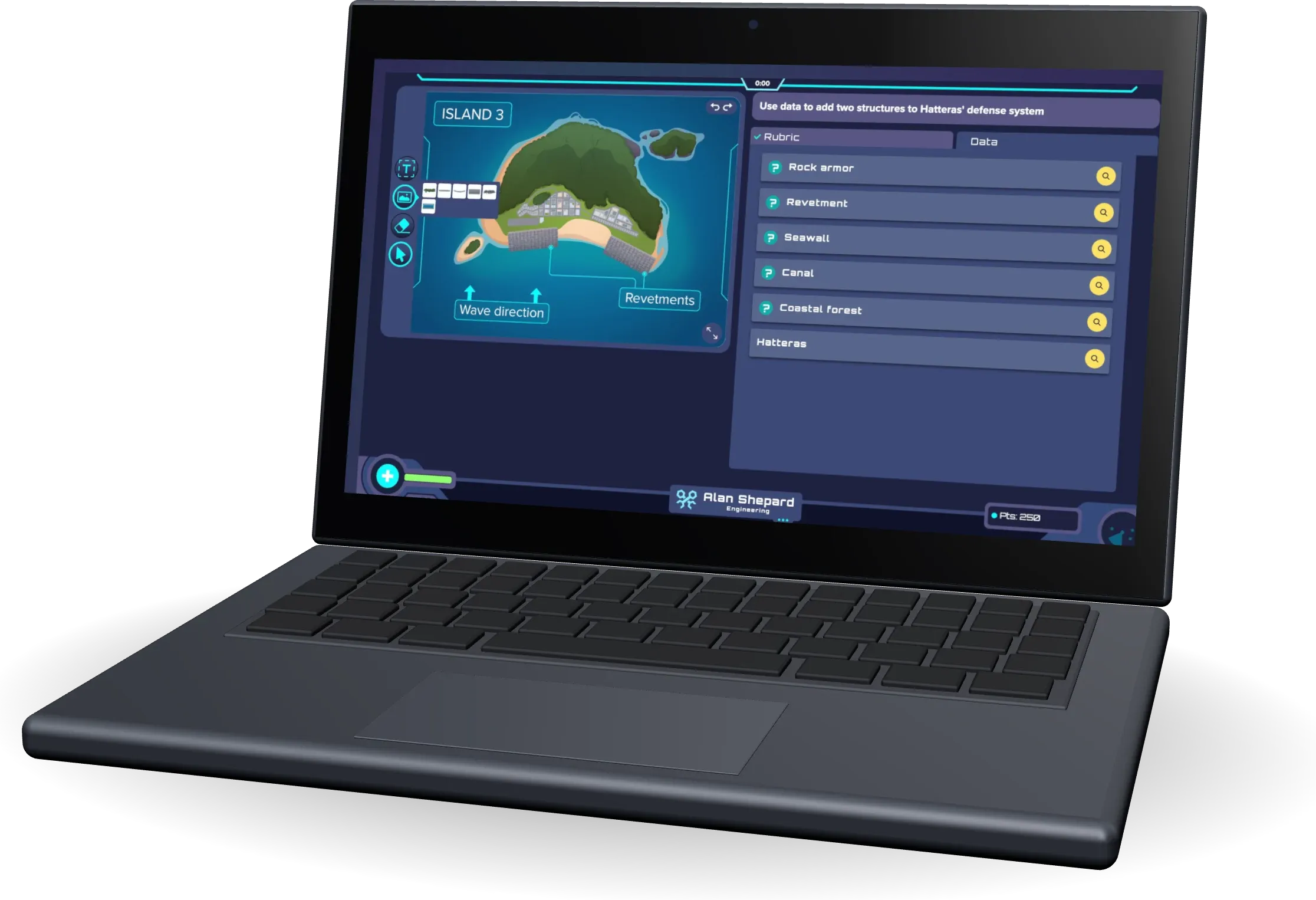
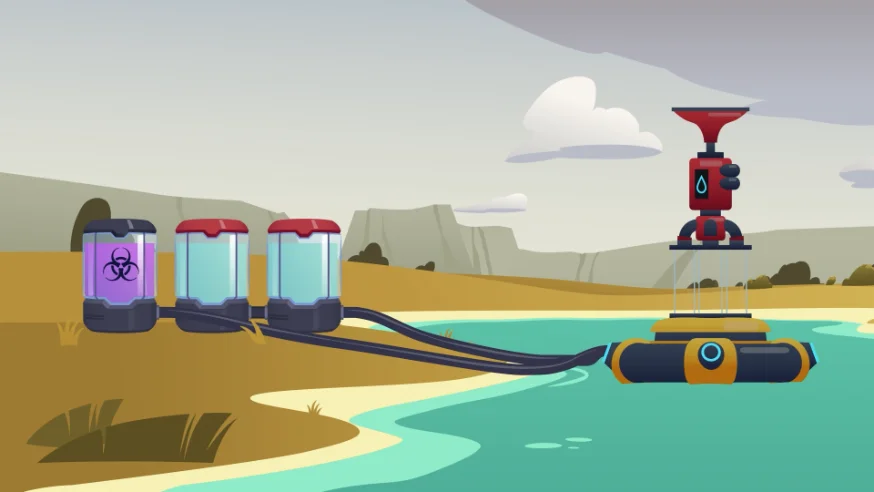
Tsunami. A tsunami is headed for the populated islands of Viper I. Teams compare seawalls, forests and revetments, then defend the design that protects the town.
Each team gets a different islandand must analyze which defenseswill protect it best.
A real crisis. The whole class takes it on together.
GRADE 5 ELA + SOCIAL STUDIES · RI.5.1, RI.5.8
The Revolution, Part 2
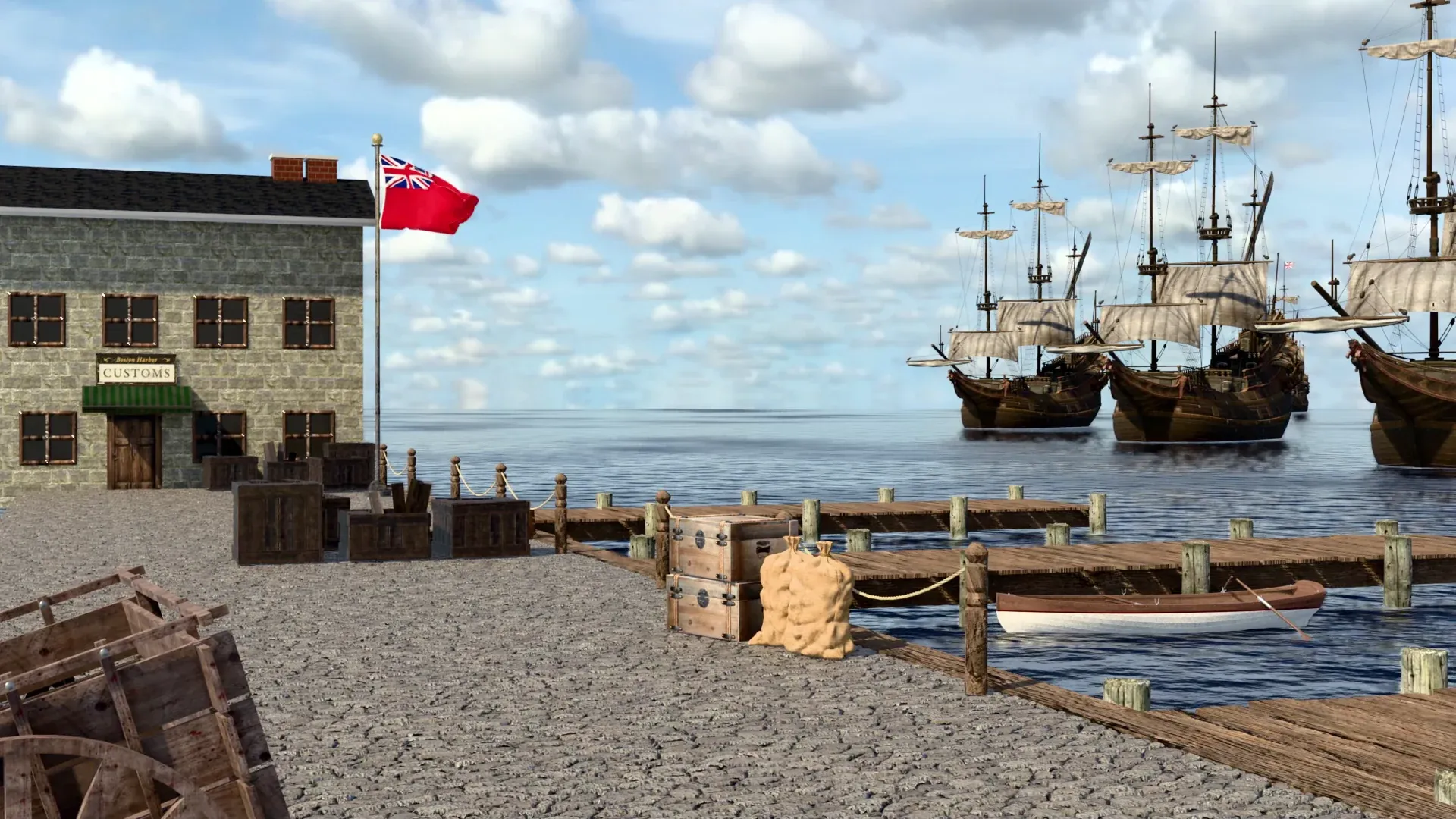
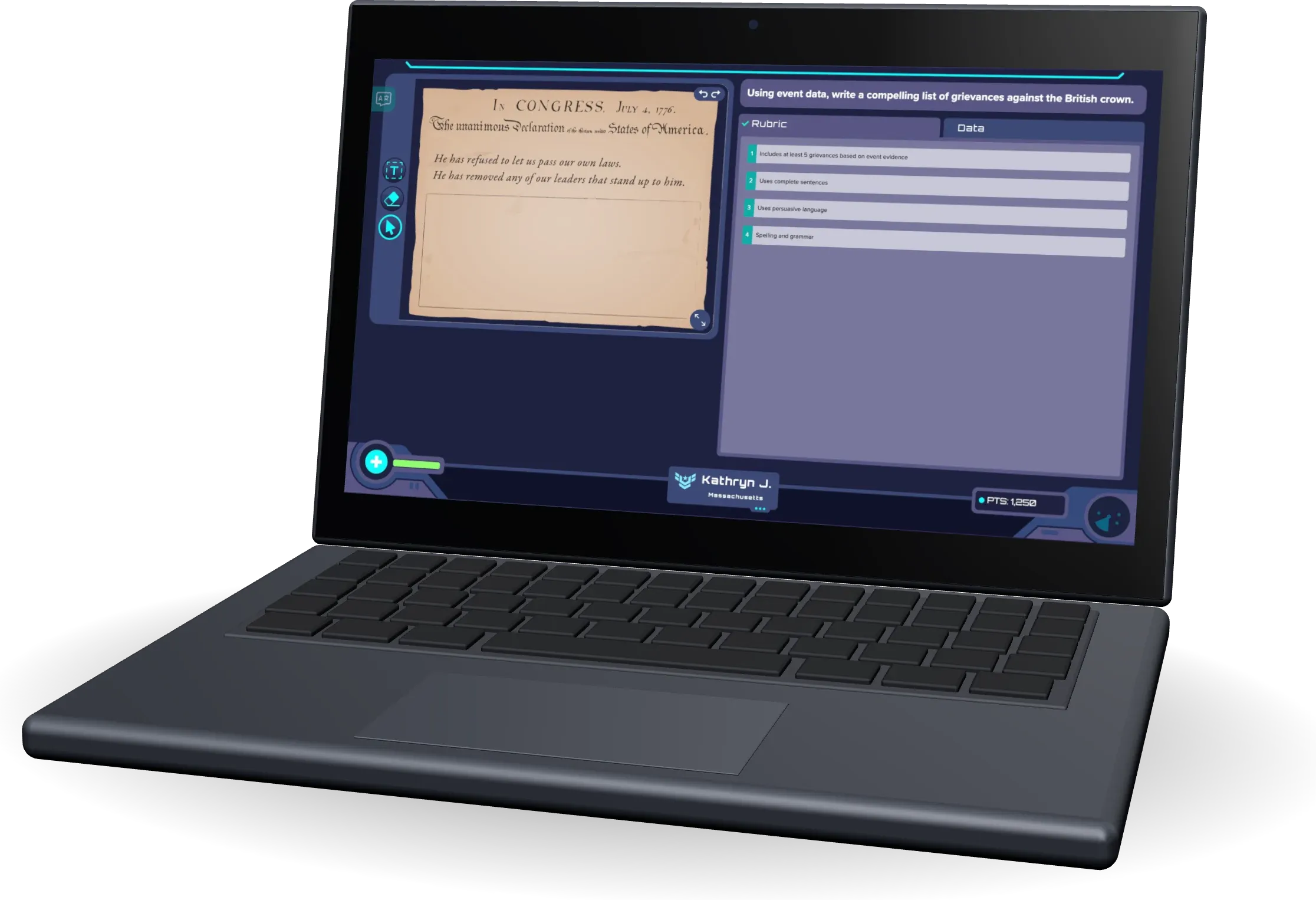
The Revolution, Part 2. King George III has cracked down on the colonies. Teams weigh primary sources and draft the Declaration of Independence.
Teams weigh primarysources, then draft theDeclaration.
This is where human skills get built. And measured.
GRADES 6-8 MATH · 6.G.A.1
Infection
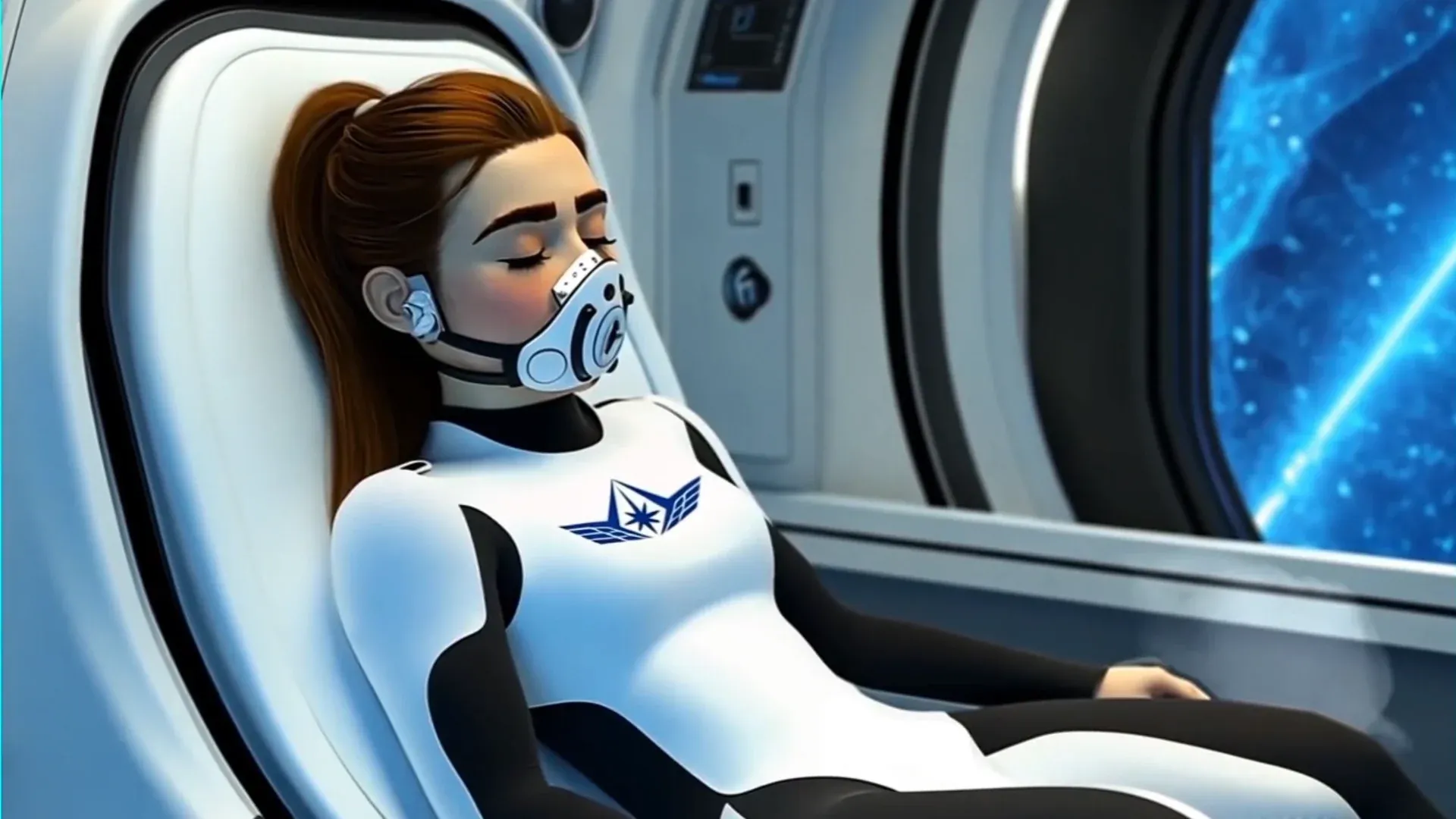
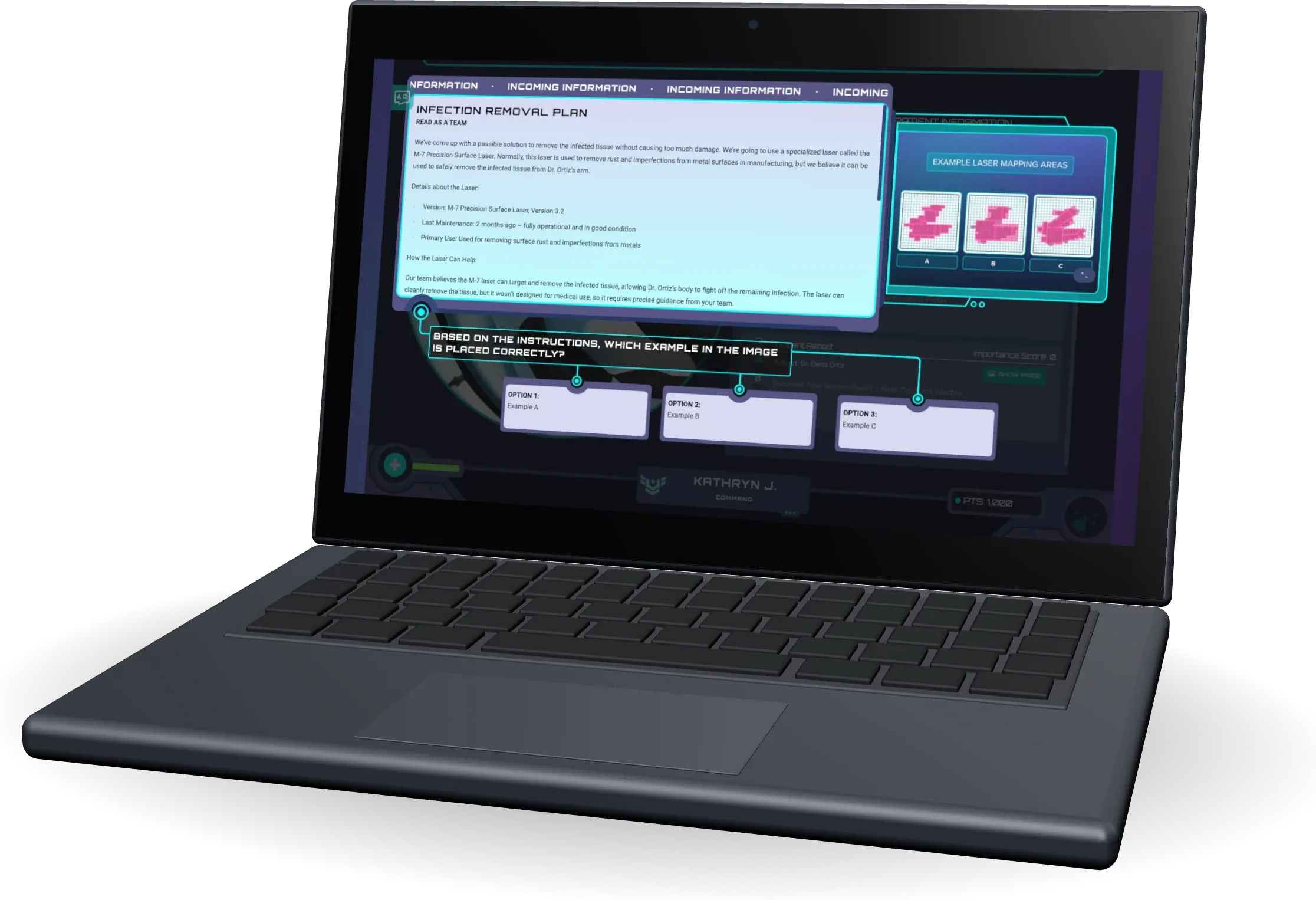
Infection. Dr. Ortiz was hurt in a rover crash, and an infection is spreading through the wound. Teams cover it in shapes on a grid and add up the areas, so the laser removes only infected tissue.
Teams use complex shapes tomap the area of theinfection.


100+ Missions, built from what you already teach.
Science, math, ELA, and social studies, K through 8, mapped to NGSS, Common Core, and your state's standards. Find the unit you're teaching next.

1,000,000+ students.1,000+ schools.
“This is the only thing I’ve used in 24 years of teaching that I love just as much as my students do.”
Evelyn Fowles6th grade teacher 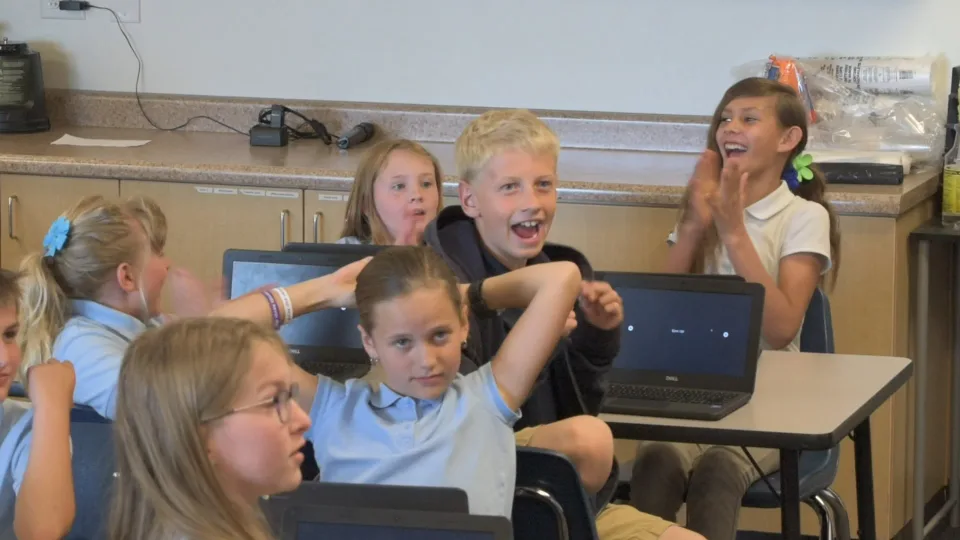
“Unlike other tech programs in the district that often have students working in isolation or in pairs, Mission.io emphasizes true collaboration.”
Lorilee JohnsonDistrict specialist, Alpine School District, UT “At the end of the year last year, every group in my classroom listed Mission IO in the ‘Top 10 Things about Sixth Grade.’”
Sharla York6th grade teacher, Heritage Elementary School “Observe a mission in another classroom. It will change the way you think about them.”
Danica PuenteTeacher, Holbrook Elementary, UT 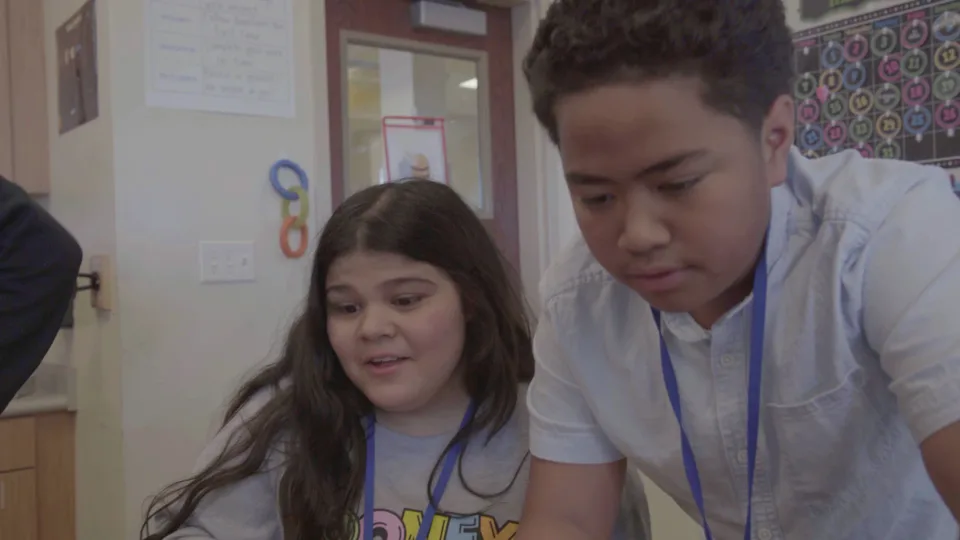
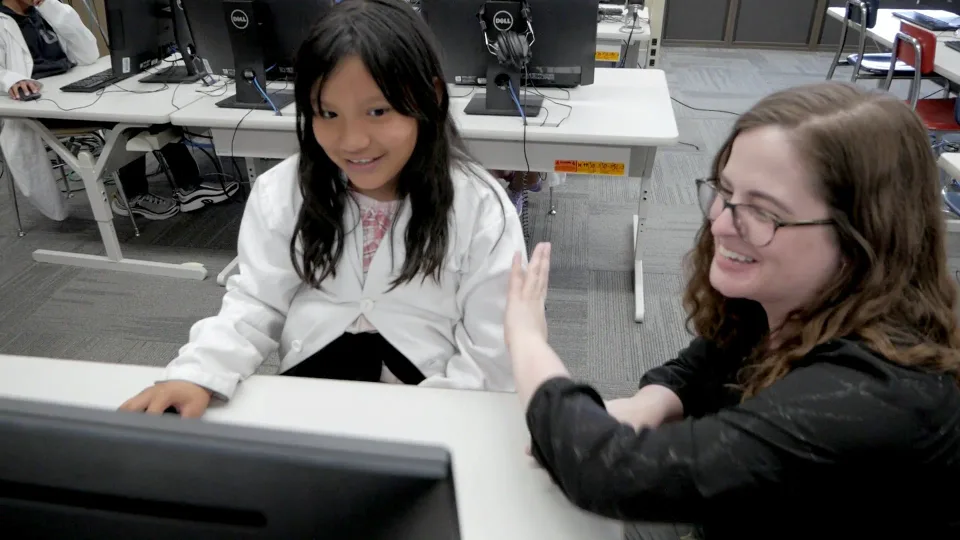
“I even sent an email to my whole building encouraging everyone to try it.”
JenVeteran teacher, OH “Even my quiet or reluctant students participate because the missions are structured in a way where everyone’s voice matters.”
Adriana LopezJunior high teacher, Clint Jr. High School 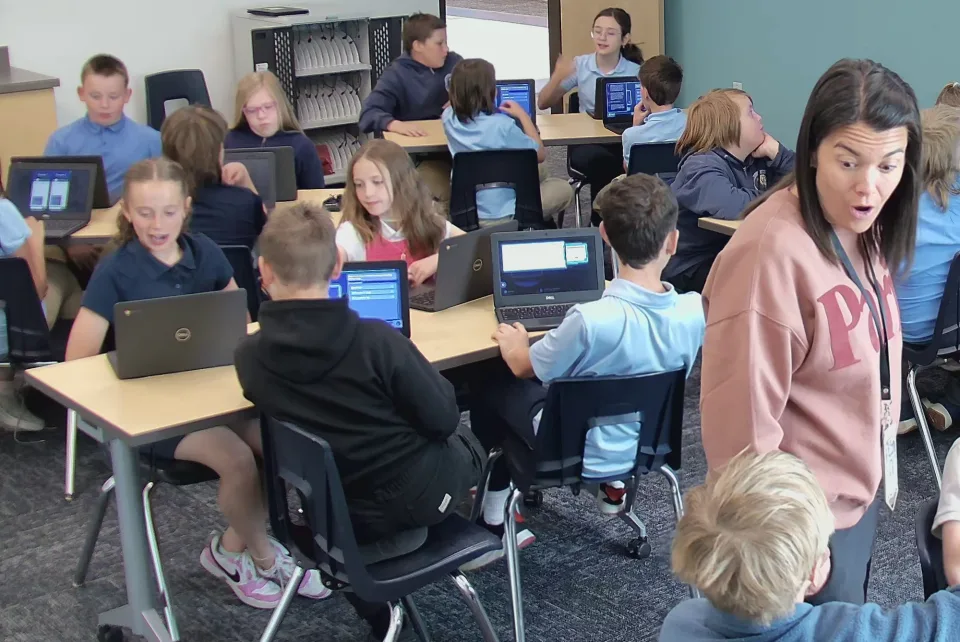
“This is the most fun they have all week, and they’re learning the whole time. I’m not going back.”
Lisa FreeMission Lab specialist, Cook Elementary School, UT “It’s been a while since students left my period saying that was the best class ever.”
Will CrowtherMiddle school teacher, Canyon View Middle School, UT
“My students ask every time they walk in the door, ‘IS IT A MISSION DAY?’”
Kate FallonTeacher, St. Amelia School, NY “Unprompted, the students all began to applaud like you see in the videos of NASA control rooms. It made my day.”
Charity PerryKindergarten teacher, Pony Express Elementary, UT 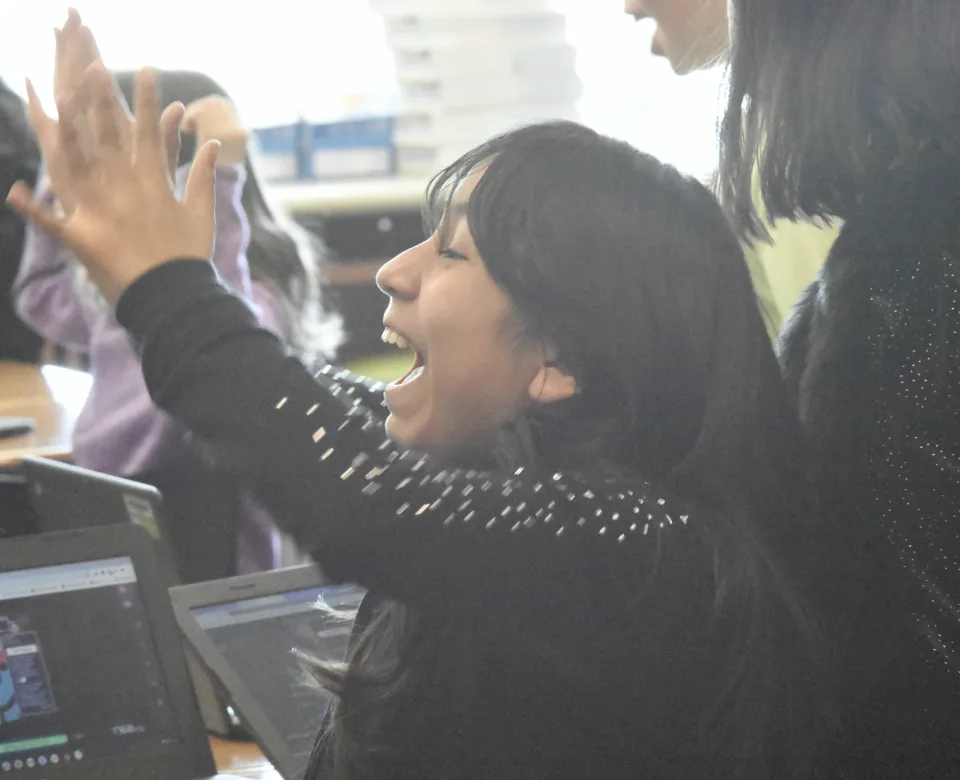
“The missions are so engaging and entertaining my students don’t realize I am giving them an assessment.”
Savannah WatsonTeacher, Orchard Elementary, UT 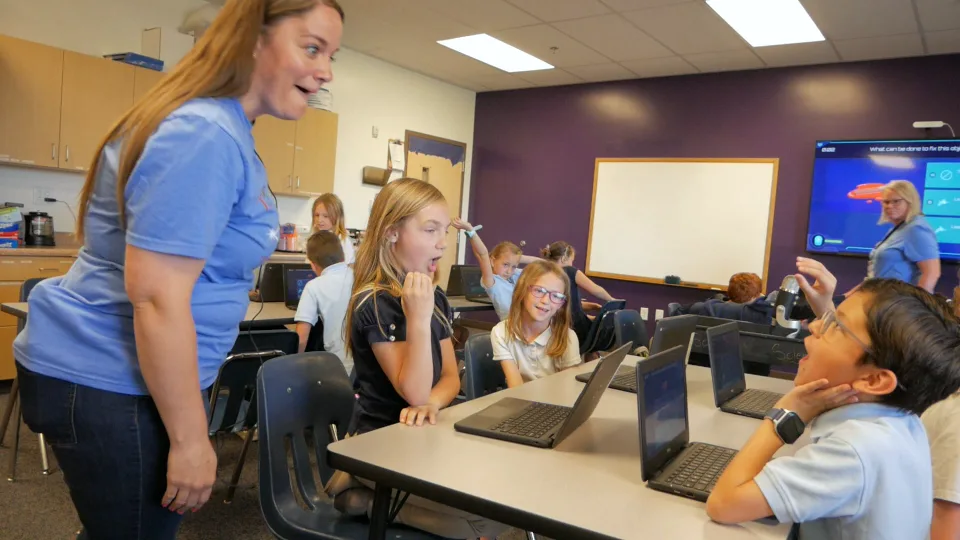
“What I love most is that it’s low-prep but high-impact.”
Ginger MarshMiddle school teacher, Cedar Middle School
Keep your curriculum. Change what it points toward.
Now you get to say “you’re going to need this” and mean it. The lesson is the training. The Mission is where it gets used.
Choose a Mission
Pick from 100+ Missions and find the one that matches the unit you're about to teach.
EXPLORE THE LIBRARY →Teach your unit
Teach what you already planned. Every lesson now builds toward Mission day, when your class has to use it.
Launch the Mission
Students join with one code, no passwords. The Mission carries the story, so you lead the moments that make it stick.
Free for teachers. 5 minutes of prep.
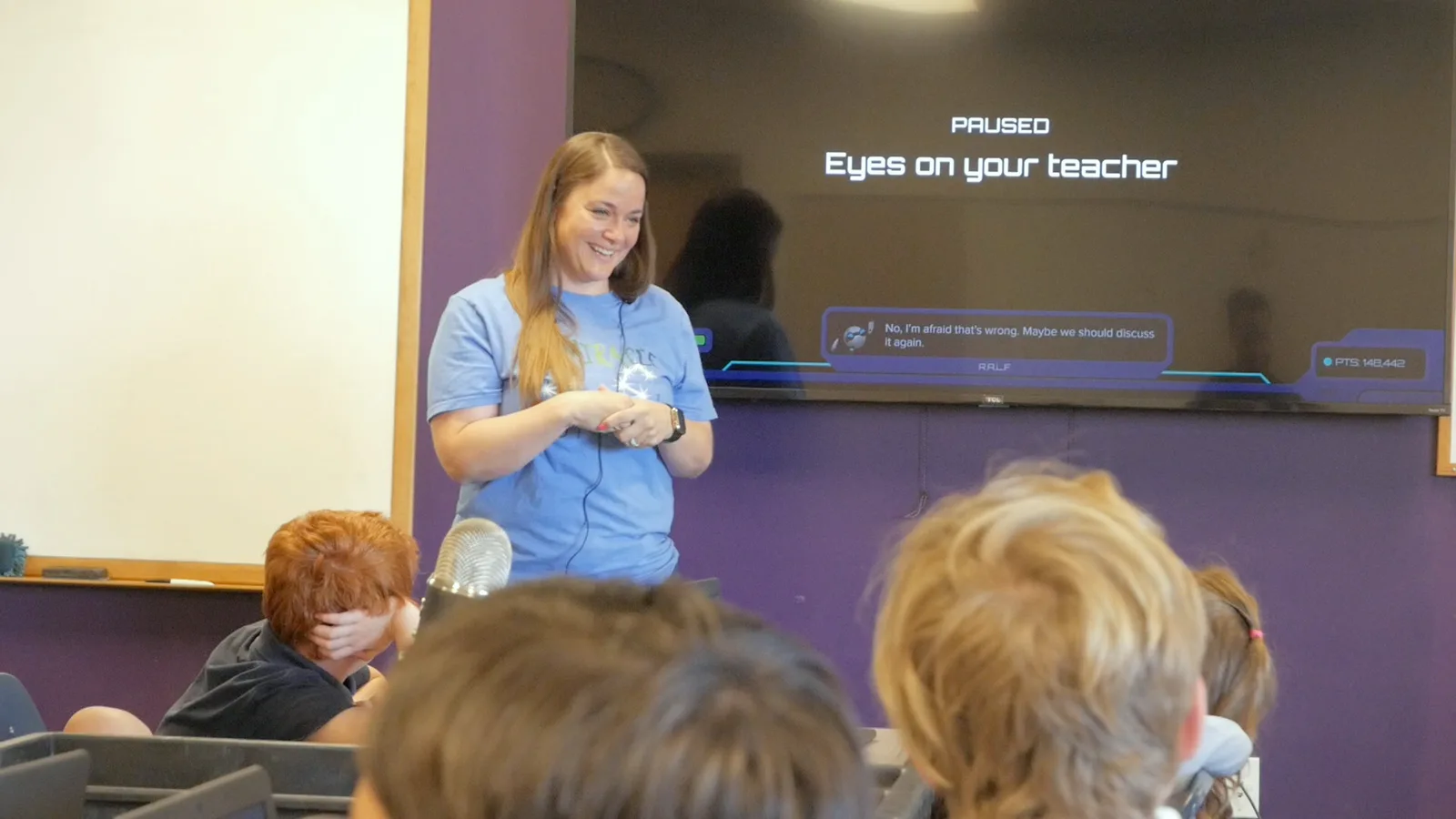
Everyone promises human skills. Every Mission measures them.
Most programs put one kid behind one screen. A few group them and call it collaboration. In a Mission, the whole class works through one story shaped by their choices, and the Mission measures the skills each student shows.
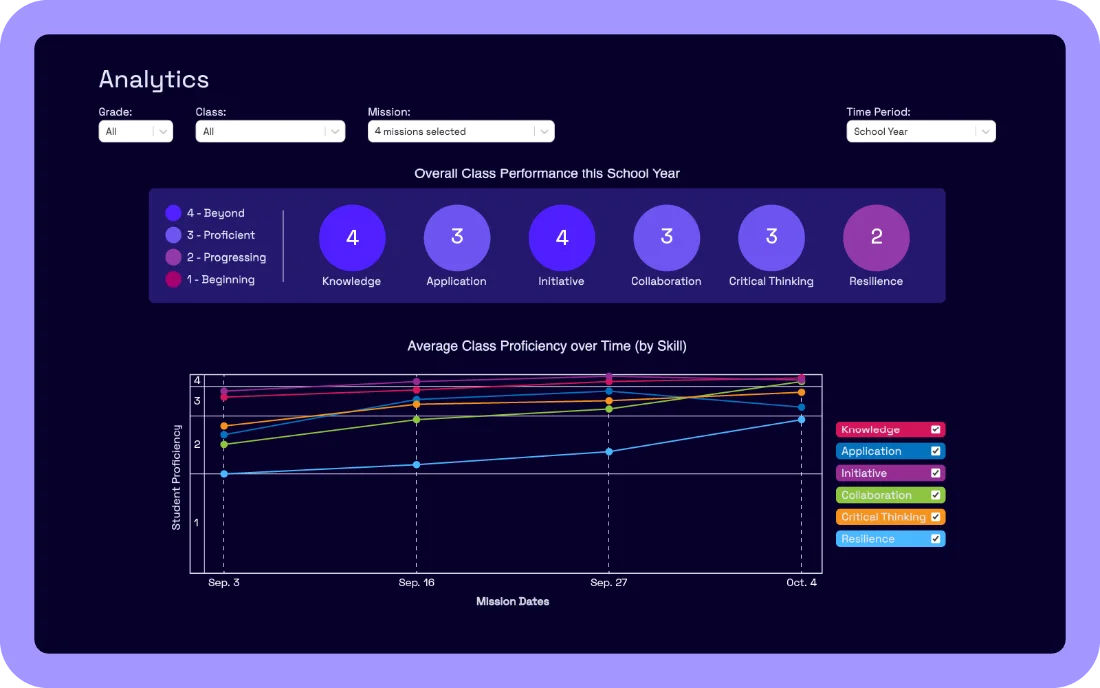
Initiative
Do they start, or wait to be told?
Collaboration
Do they move the team, or ride along?
Critical Thinking
Do they weigh evidence before they commit?
Resilience
What happens after their first answer fails?
The more Missions a class runs, the more students grow.
In an independent study of 1,039 fifth graders across 53 classrooms, students who ran Missions knew more, wrote better, and were more engaged. In knowledge and writing, gains grew with every Mission run.
Knew more (g = 0.335, p < .001), wrote better (g = 0.269, p = .015), more engaged (g = 0.173, p = .009).
+0.94 percentage points per Mission run (p < .001). Writing also climbs per Mission (p = .049).
FOR SCHOOL & DISTRICT LEADERS
Same teachers.
Same curriculum.
More impact.
Your two biggest investments are your teachers and your curriculum. Missions map into the units you already teach and make both hit harder. And we're the only tool that measures the skills your plan promises.
ALREADY RUNNING MISSIONS
















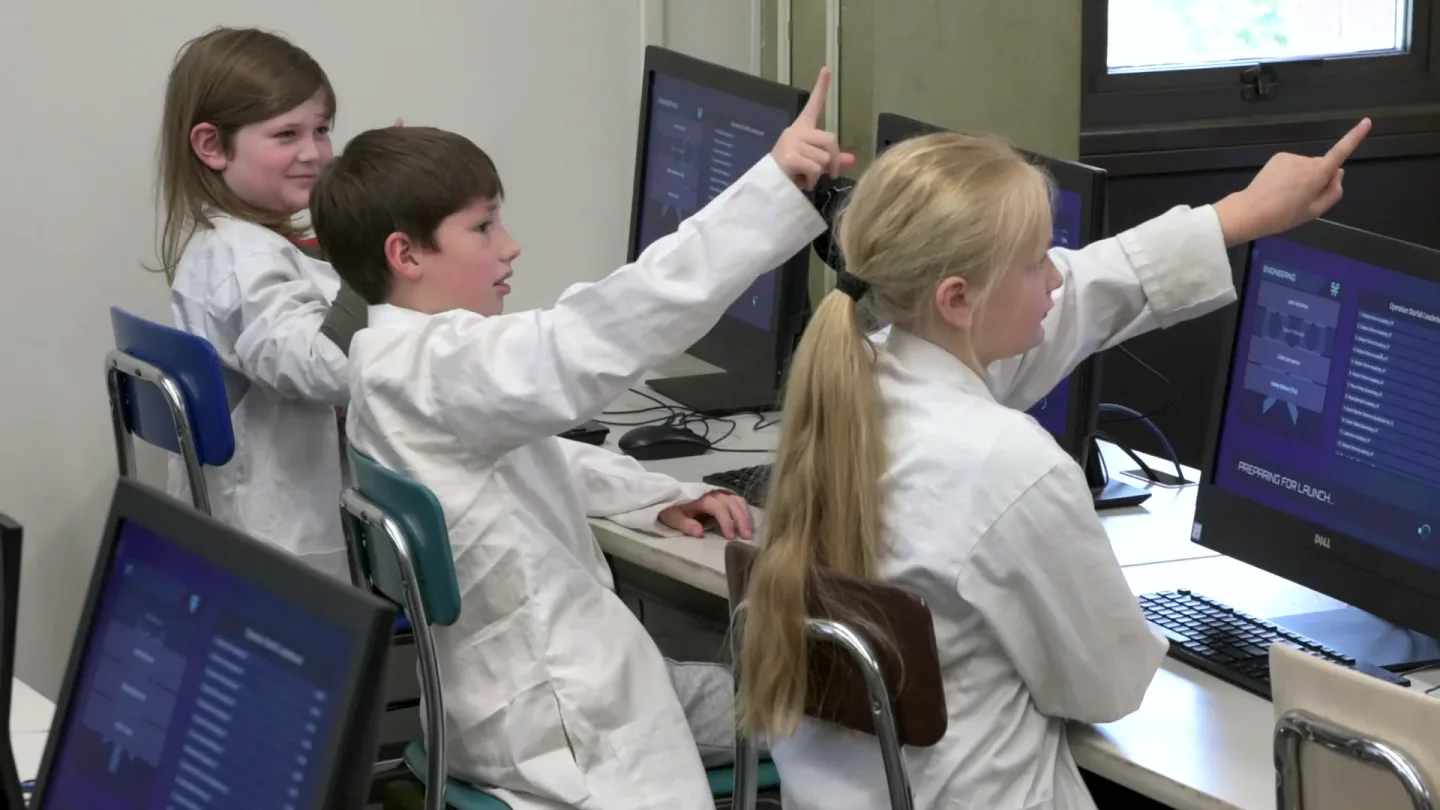
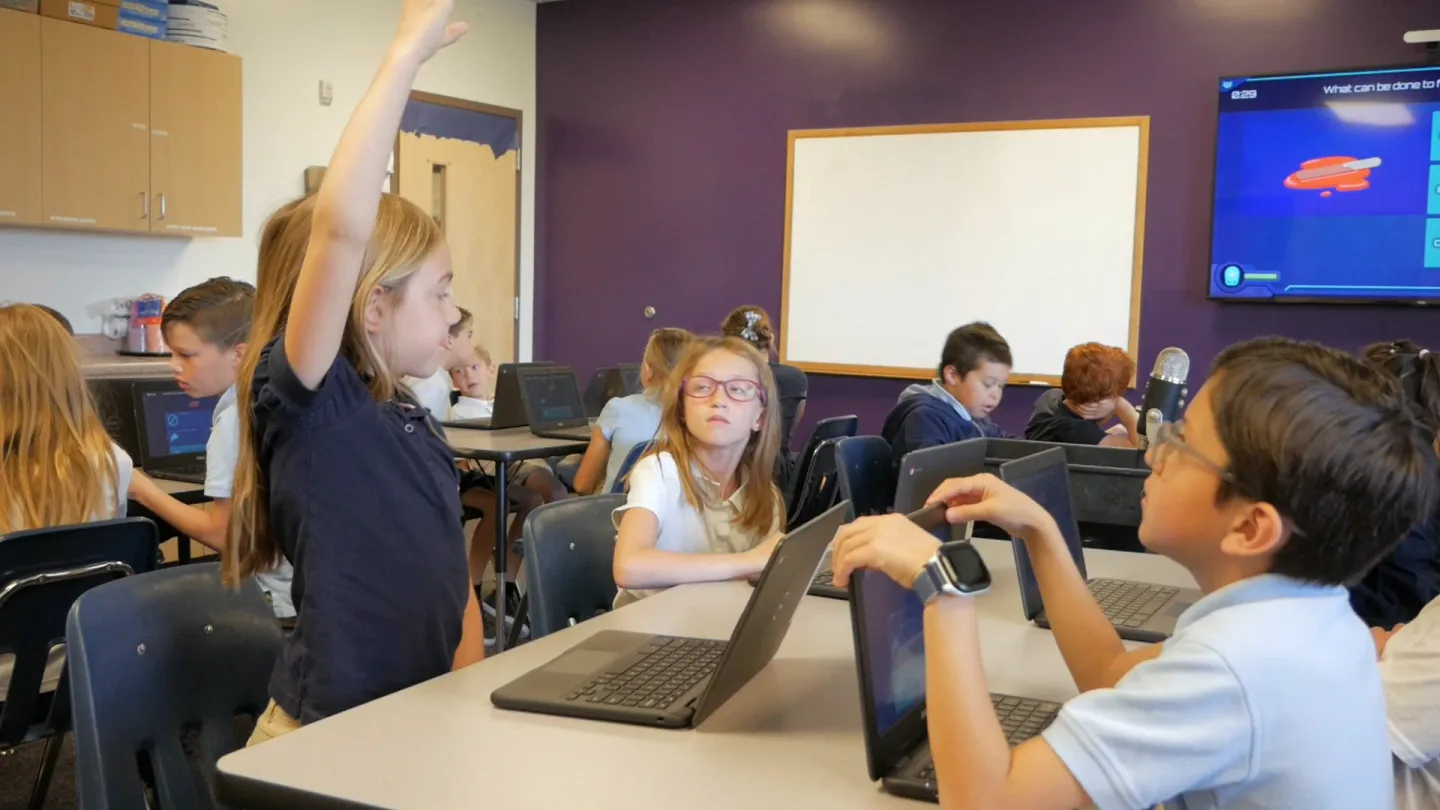
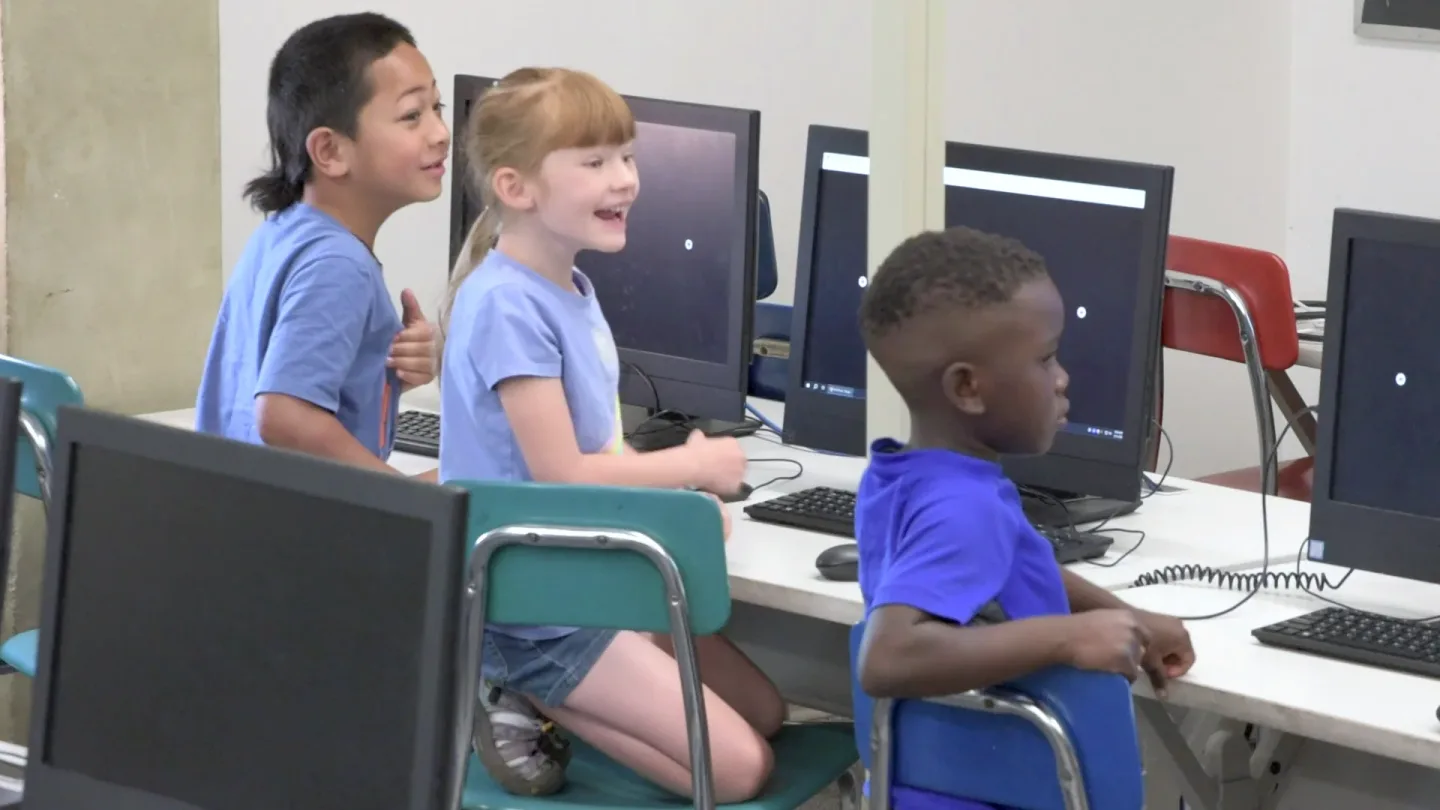
Most screen time makes kids look down, alone. A Mission makes the whole class look up.
At each other, at the problem, at their teacher.
FOR PARENTS AND SCHOOL BOARDS →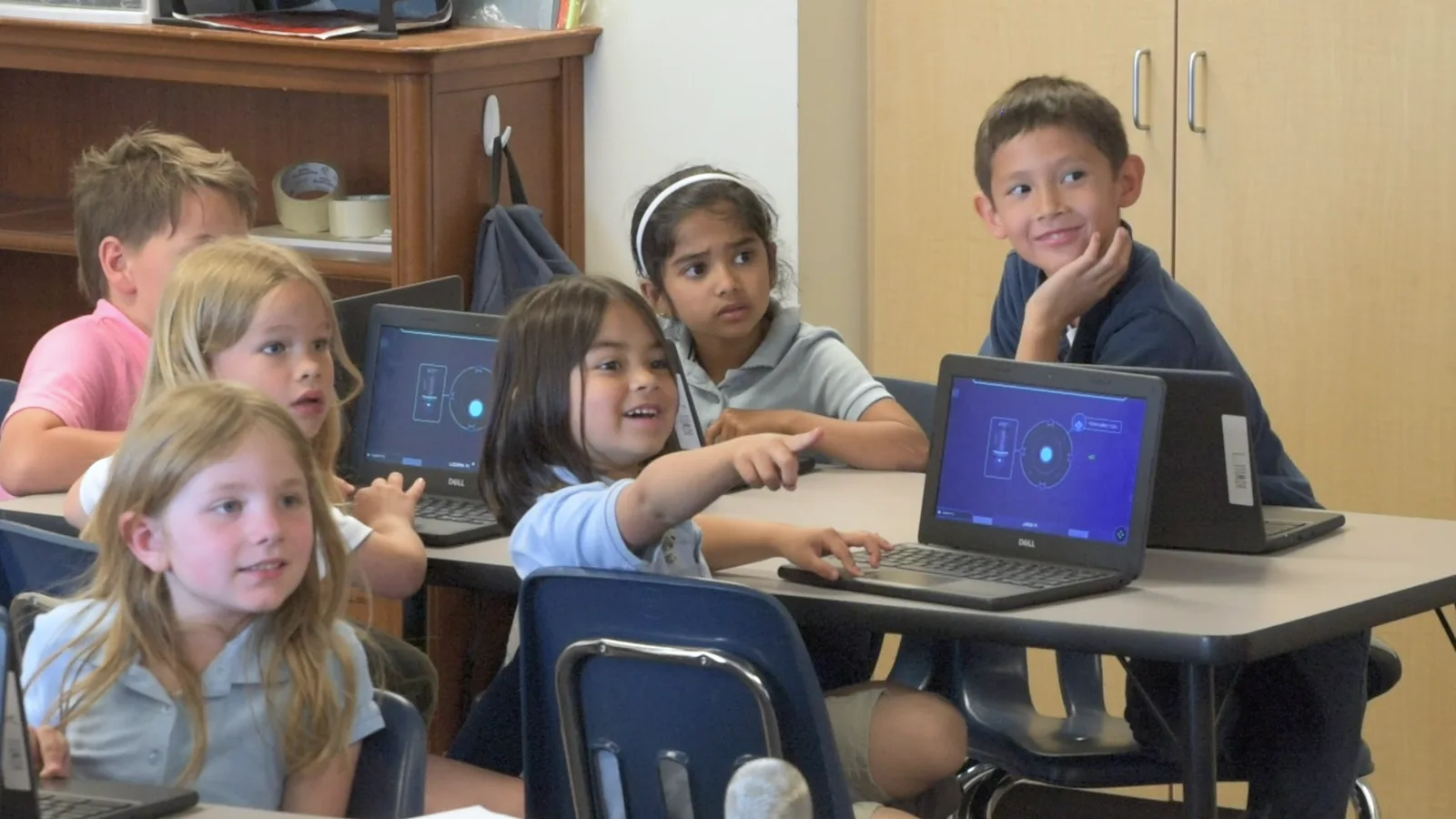
Common questions
Don't see yours? Ask us anything, from your first Mission to a district rollout.
What devices do we need?
Chromebooks or tablets for your students and a projector for you. Students join with one code, and there are no student passwords to set up.
How much prep does it take?
5 minutes. Watch the Teacher Preview and you're ready to lead. Missions typically run 30 to 45 minutes.
Which grades and subjects?
K through 8: science, math, ELA, and social studies. 100+ Missions, mapped to NGSS, Common Core, and your state's standards.
Is it really free?
Yes. Your teacher account is free, never expires, and needs no credit card. It starts with unlimited access to every Mission. After that, your free account keeps a rotating set of Missions all year. School and district licenses are for leaders who want every classroom in.
How do you protect student data?
Mission.io is COPPA and FERPA compliant and a Student Privacy Pledge signatory. Need a signed DPA for your district? Talk to us.
The world is racing to make technology smarter. We help you make your students more capable.
Every lesson gets somewhere to go. Every student gets seen. It starts the next time you tell your class they're going to need this.
Free for teachers. No credit card. Independently validated.