5th grade math activities

The cereal box rebuilt so 5th graders use volume on a real shelf, five more activities by standard, a free printable, and the 8 standards the page teaches.

Who we are. Mission.io makes Missions: teacher-led, whole-class simulations where students use what they’re learning to work through a real scenario together.

Everything on this page works without us. The 8 standards this page teaches are at the end, each with its Mission where one exists, free. (There are two. In one, a star is throwing solar flares at a colony, and the way out runs through the coordinate plane.)

On this page

What 5th grade math looks like

Fifth grade math activities are problems where the class has to use the math to decide something, argue about whether the numbers are right, and leave each student answerable for a piece. This page teaches 8 of the grade’s 26 Common Core math standards, with an activity for six of them and a Mission for three.

The year has three big jobs. Fractions: adding and subtracting with unlike denominators (5.NF.A), then multiplying, and dividing in limited cases (5.NF.B). Decimals to hundredths and fluency with whole-number and decimal operations (5.NBT). And volume, the year’s new idea (5.MD.C). Around them sit numerical expressions (5.OA), line plots and unit conversions, and the coordinate plane, which arrives this year (5.G.A).

You know the activity that usually stands in for volume. Bring a cereal box from home, measure it, multiply, write the number on a sticky note. That’s an exercise with a prop. Math starts when the number has to be right because a shelf, a store, and a box that won’t close are waiting on it.

Six things that turn an exercise into math

Math isn’t short on time: grades 3 to 5 average about 63 minutes a day on it (2018 NSSME+). It’s short on talk. Observers in more than 2,500 first, third, and fifth grade classrooms found about 90% of instructional time was whole-group lecture or seatwork, and in fifth grade, 7% was small groups (Pianta and colleagues, 2007). That’s the gap worth closing, because cooperative learning beat whole-class instruction on achievement, and the effect was stronger in science and math than in social sciences and languages (Kyndt and colleagues, 2013).

  1. 1. A real problem with stakes the class can feel.

    “Find the volume” is an exercise. “The store won’t stock a box taller than 20 cm” is a problem.

  2. 2. Apply, don't recall.

    A second round that only works with the numbers from the first. If the problem can be finished without the math, it isn’t a math activity.

  3. 3. Group goals with individual accountability.

    The one most math projects miss: one kid with the ruler and the pencil, three kids waiting for the product. When the group shared a goal and each student answered for a part, 84% of studies found a positive effect; without both, 17% (Slavin, 1991).

  4. 4. The teacher leads the thinking.

    Three questions at the table (what’s your volume, which dimension did you change, does it fit the shelf) beat a worksheet of twenty at the desk.

  5. 5. A debrief where the class argues it out.

    The problem is the setup. The argument afterward, about whose box is right and why, is the practice the standards name: construct viable arguments and critique the reasoning of others (MP3).

  6. 6. A way to see who did what.

    If you can’t tell which student set up the formula and which one copied the product, you can’t teach the reasoning. You can only grade the answer.

An exercise has an answer. A problem needs it right.

The sheet at the end of the next section puts all six on the table: role cards, the measurement card, the design rows, and the tally. Get the sheet →

The cereal box, rebuilt for 5th grade (5.MD.C.5)

Measure a real cereal box, compute its volume, and design a new box that holds the same amount, sometimes with less cardboard, then build the net to check. It’s the volume project on nearly every 5th grade list, because 5th grade is where volume arrives and every kid can bring a rectangular prism from home. The way it usually runs is solo, with a number nobody checks and nothing lost if it’s wrong. Here’s the version that hits all six.

Time
60 minutes with the net build. The 45-minute cut: skip the cardboard count (surface area is the stretch anyway), build one net per team, and keep the debrief. The two-day version: the cubes, the measuring, and round one on day one; the net, the build, and the debrief on day two.
Groups
Fours. With 29 students, seven groups of four and one group of five with a second Shelf Inspector.
Supplies
8 cereal boxes from home, rulers, centimeter grid paper, scissors, tape, and a bag of centimeter cubes for the opener. About $0.
Standards
5.MD.C.5, and in particular 5.MD.C.5.b (apply V = l × w × h to solve real problems), with the practices MP4 (model with mathematics) and MP2 (reason about what the numbers mean on the shelf).
  1. Teach first, 10 minutesApply

    Fill a small box with centimeter cubes. Count the bottom layer, count the layers, and multiply. Then measure the same box with a ruler and multiply again. Name the idea: volume is layers of the base, and the formula is the count without the cubes. Then the second idea: two boxes can hold the same amount and use different amounts of cardboard.

  2. The problemStakes

    A cereal company’s shelf space is being cut. The store will only stock boxes 20 cm tall or shorter, on a 30 cm deep shelf, and the company refuses to sell less cereal per box. The team designs a box with the same volume as the real one, under the height limit, that fits the shelf, using as little cardboard as it can (the stretch: surface area, by faces). Say the stakes out loud: a box that holds less loses the customer, and a box that doesn’t fit never makes the shelf.

  3. Four roles, one job eachAccountability

    On the sheet, and everyone signs their role’s box.

    • Measurer

      Measures the real box to the nearest centimeter, and says each number aloud.

    • Volume Lead

      Computes the original volume with the formula, and signs off every new box's volume.

    • Designer

      The only pencil on the net: the new box's dimensions, drawn on grid paper.

    • Shelf Inspector

      Checks every design against the 20 cm and 30 cm limits, and keeps the cardboard count.

  4. You lead the thinkingTeacher leads

    Three questions, asked at the table: What’s your original volume, and how did you get it without the cubes? Which dimension did you change, and what happened to the other two? Does it fit the shelf, and how much cardboard did you spend? The hardest part is not doing the division for them. Let them.

  5. Two rounds, so the first answer has to be rightApply

    Round one is a design with the same volume under the height limit. Round two keeps the volume, cuts the cardboard, and gets built: the net is drawn, cut, and taped. The build is where a wrong dimension shows up, as a box that won’t close.

  6. The debrief, 10 minutesDebrief

    Two nets taped into boxes at the front. Which teams matched the volume exactly, and how many different boxes hold the same amount? Which shape used the least cardboard, and why does a box closer to a cube win? Who in your group caught a volume mistake before the net was cut? The second question is the lesson: the same number can come in a lot of shapes.

  7. See who did whatSee who did what

    The observation sheet, four behaviors per student: used the formula correctly, explained a tradeoff between dimensions, disagreed with a reason, changed their mind with a reason. Tally while you walk the eight tables; you’ll catch about half the room in one period. The net-drawing phase is quiet, and that quiet is your walk.

(Someone’s family buys the giant box. Let that team keep it. Fitting a box that big under 20 cm is where the division gets interesting.)

Collect the boxes the week before, and ask for empty ones. You will get at least one that isn’t.

The cereal box redesign, free

Emailed now, ready to copy: the teacher page, the Measurer, Volume Lead, Designer, and Shelf Inspector role cards, the real-box measurement card with the two design rows, a worked example, and the four-behavior tally.

It’s on its way.

Check your inbox for the cereal box redesign.

Email me the sheet. It comes as a PDF, ready to print. Unsubscribe anytime.

Five more 5th grade math activities, by standard

Five more on every 5th grade list: what each one is, how it usually runs, and what it needs to be a math activity, in the order the standards run.

Expressions, decimals, fractions, the plane

2. The order of operations card game (5.OA.A.1)

Needs a deck of number and operation cards. Small groups.

Small groups deal number and operation cards and race to build an expression that hits a target, using parentheses to make it work. The math is there, since one misplaced parenthesis changes the answer. As usually run, though, it’s a drill with nothing riding on the expression, the quickest student builds for the group, and you can’t tell who understands why the parentheses go where they do.

The fix

  1. Give every student one step of the expression to write and explain, so nobody watches.
  2. Have each group defend its expression to the next table, which checks it step by step before it counts.
  3. Collect one expression per student, written out step by step.

No page for this one; the three misses are the fix.
3. The decimal shopping stand (5.NBT.B.7)

Needs price tags, a menu, play money or a receipt sheet. Individual, usually.

Students run a pretend shopping stand or lemonade stand, with decimal price tags, a menu, and a receipt sheet for totaling orders and making change. The decimals get used the way adults use them, adding and subtracting money to the cent. As usually run, though, it’s a solo project, and a stack of receipts can’t show who added the decimals and who copied a total.

The fix

  1. Run the stand in groups with one job each: one takes the order, one totals it, and one checks the receipt and makes change.
  2. Have whoever totals an order sign the receipt, and swap jobs every few orders.

See the lemonade stand rebuilt for 6th grade →

4. Fraction strips and the number line (5.NF.A.1)

Needs paper fraction strips, a number line. A station.

At a station, students line up paper fraction strips to find a common denominator, like seeing that a third and a fourth both fit in twelfths, then place the sum on a number line. The model does the work it should and makes the common denominator something students can see. As usually run, though, students work side by side without needing each other, which is why a station goes quiet, and you can’t tell who found the denominator and who copied it.

The fix

  1. Pair students: one lines up the strips and names the common denominator.
  2. The other writes the equation and places the sum on the number line, the pair has to agree before it goes down, and they swap every problem.

No page for this one; the two misses are the fix.

5. Recipe scaling with fractions (5.NF.B.6)

Needs a recipe card with fractional amounts. Groups.

Groups get a cookie recipe with fractional amounts, three-fourths of a cup of sugar, two-thirds of a cup of butter, and double or halve it on a worksheet, and sometimes they bake it. It already has a real problem and real fraction multiplication, and nobody wants a bad cookie. As usually run, though, one student does the scaling, and a finished recipe can’t tell you who multiplied the fractions.

The fix

  1. Hand groups a recipe copied with a mistake or two in it, so somebody has to find what’s wrong before it gets scaled.
  2. The Scaler multiplies each amount and writes it down.
  3. The Checker redoes every line before it’s final, so a mistake gets caught before anyone eats it.

No page for this one; the fix above is the whole of it.

6. Coordinate plane battleship (5.G.A.1)

Needs two first-quadrant grids per pair.

Partners hide ships on a first-quadrant grid and take turns calling ordered pairs until one fleet is sunk. The ordered pairs get real practice, and students learn fast that (3, 5) and (5, 3) are different spots. As usually run, though, there’s nothing to solve beyond the game and no talk afterward, and you can’t tell who reads the axes and who guesses.

The fix

  1. Have each player write their ships’ ordered pairs on a card before the game starts, so you can check who plots correctly.
  2. End with five minutes on strategy: after a hit at (5, 2), which calls make sense next, and why?

No page for this one; row 8 below is the Mission on this standard.

  • Our part · We make Missions

    Then the unit has somewhere to go

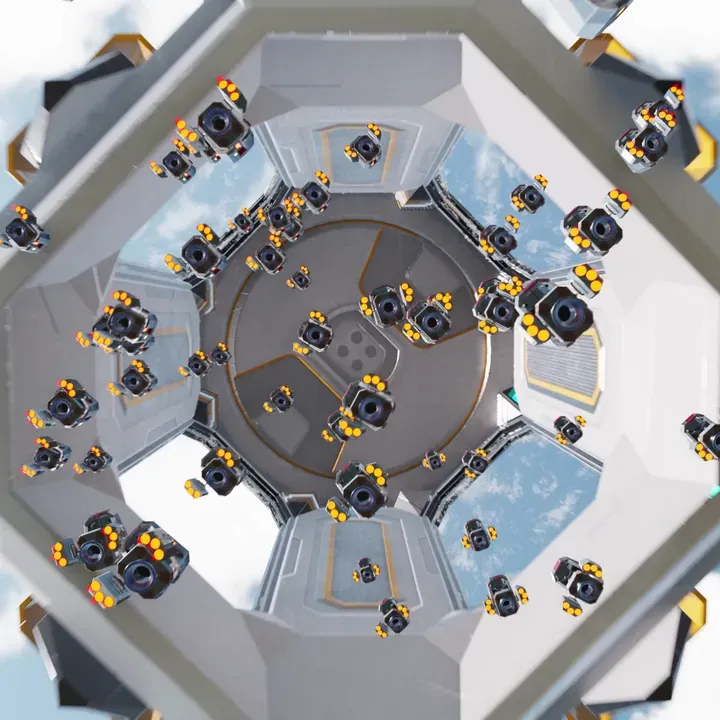
    Plenty of teachers rebuild these by hand every unit, and it works. A Mission is a teacher-led, whole-class simulation built from a unit you teach. The cereal box is volume (5.MD.C.5), and no Mission carries a volume code. After the box, run An Industrial Swarm for the multiplying inside V = l × w × h. For the coordinate plane, it’s battleship, then The Sinister Sun.

    You're at the helm, not on the hook.

    The Sinister Sun: the coordinate plane, as a Mission

    The Sinister Sun · 5th grade · About 39 minutes · One device per student, plus your projector · Free with a teacher account

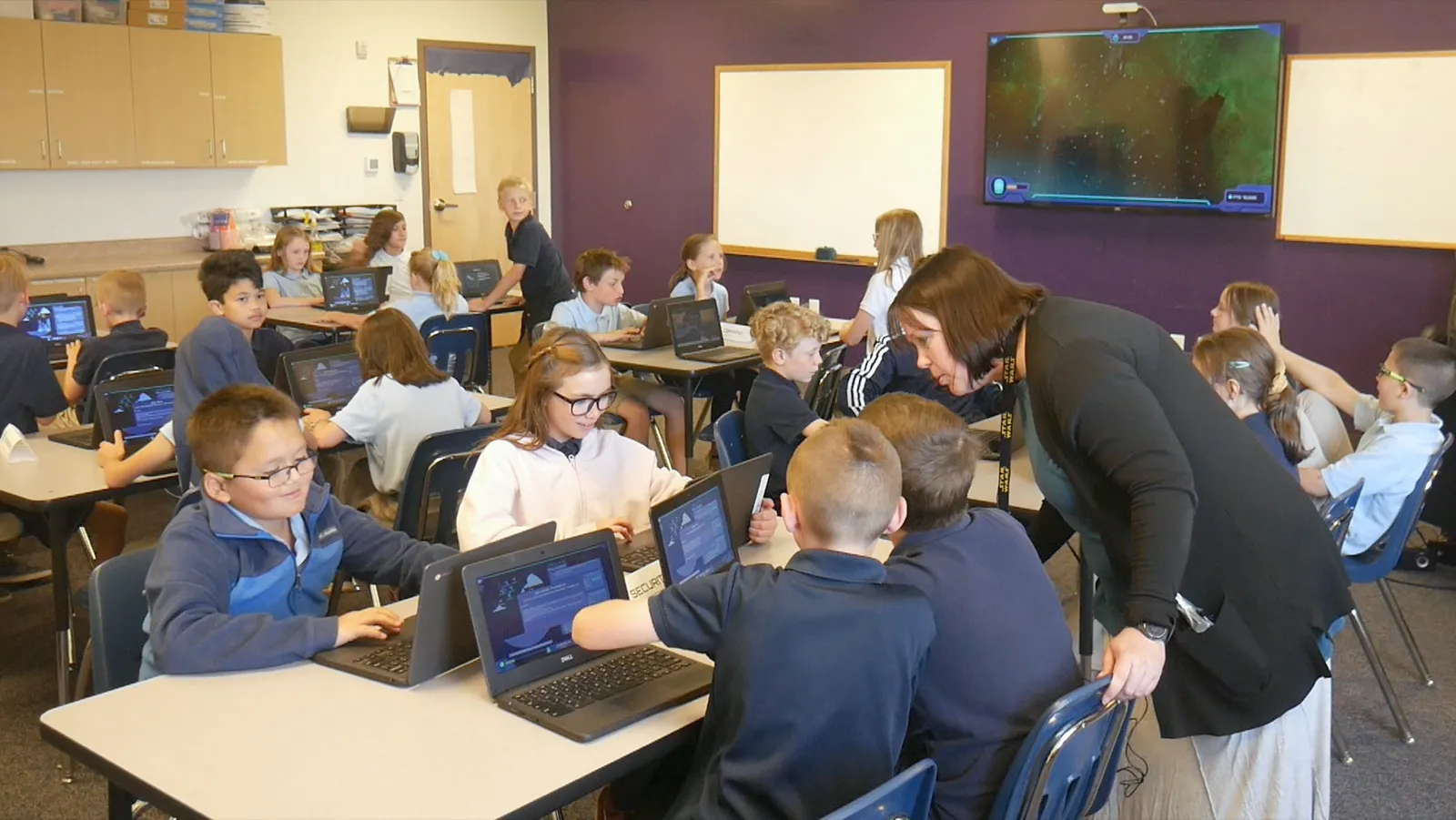
    A full upper-elementary classroom on Chromebooks while the teacher bends down to a pair of students, and a dark Mission screen glows on the wall.
    A full room on Chromebooks, and a teacher bending down to one pair.

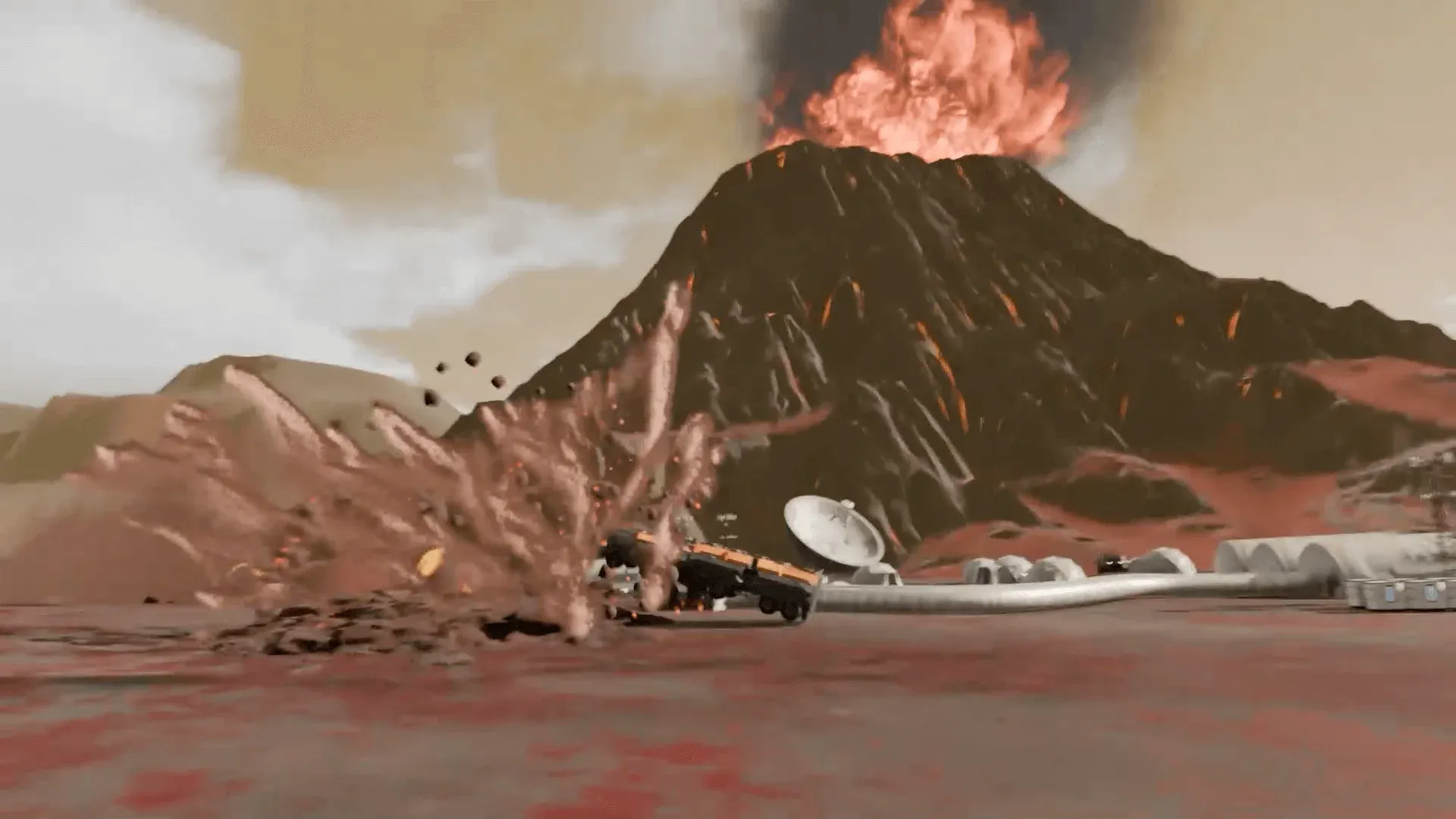
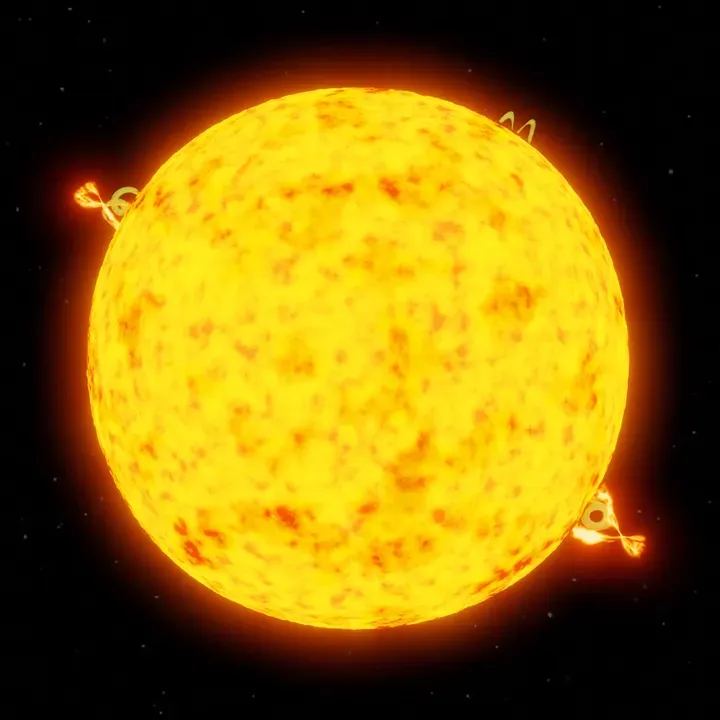
    Solar flares from a nearby star are endangering a planet’s colonies, and the Viper Lighthouse that could warn them is in pieces. The crew has to use the coordinate plane to locate and repair the lighthouse, then read what it reports about the flares and use ordered pairs and critical thinking to get everyone to safety. The story plays on the projector. The work happens at seven stations (Command, Engineering, Medical, Security, Science, I.T., Operations) and in the arguments between them.

    Every student is assigned to a team, and each team’s work is themed to it, from its own information and challenge to the same problem the rest of the crew is solving. The team gives a student a role in the story and people to lean on while you move between teams. You’re at the helm, asking where the next piece of the lighthouse is, and how they know.

    It’s built to the coordinate plane’s two standards (5.G.A.1 and 5.G.A.2), and the vocabulary is the unit’s: coordinate, x-axis, y-axis, unit, ordered pair, origin. Run battleship or the plane lesson first, and tell the class why: the lighthouse only comes back together for a crew that knows (3, 7) from (7, 3). The lesson prepares them. The Mission is what they’re preparing for.

    “The missions are so engaging and entertaining my students don’t realize I am giving them an assessment.”

    Savannah Watson, Teacher, Orchard Elementary, UT

    Will it work in my room?

    Students join with a class code: no student accounts, no student email, no passwords. Chromebooks, laptops, or tablets, plus your projector. Free for teachers, no credit card. Student data is covered by COPPA and FERPA, and we signed the Student Privacy Pledge. At about 39 minutes, The Sinister Sun fits inside the average 3 to 5 math block of about 63 minutes, with time left for the debrief.

    START FREE →

    Communication first, then the year's two

    What the report shows

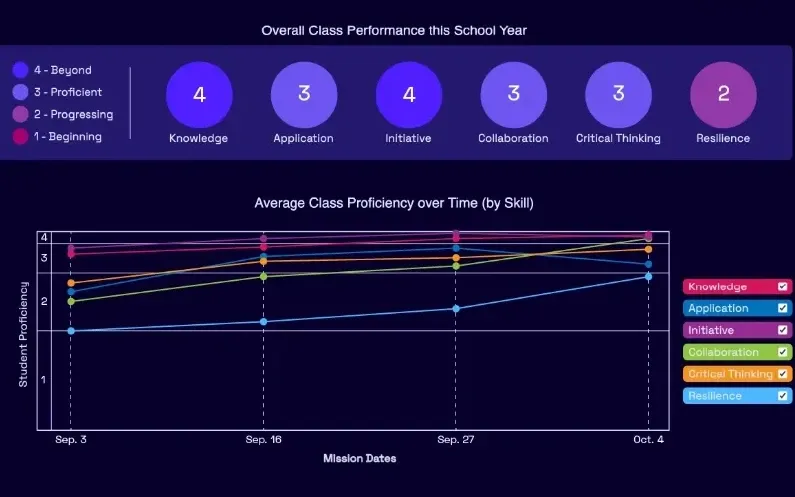
    A Mission.io class report: the class score in each of six skills, from knowledge and application to collaboration, critical thinking, and resilience, with the class chart across the year below.
    A class report from a real Mission: the class score in each of six skills, then each skill across the year.

    Every Mission produces a report for every student, built from what that student did across the whole Mission, on the skills the Mission captured. The six it can capture are Knowledge, Application, Initiative, Collaboration, Critical Thinking, and Resilience. The first two are what a test already sees. The other four are the human skills every school promises. The test shows what they know. The report shows the rest. SEE THE EVIDENCE →

    You taught it. Now find out who can use it.

    Who's behind it

    Mission.io is a research and design organization with one job: make collaborative, active learning something a teacher can run every unit instead of once a semester, and put a report in your hands when it’s over. Over a million students have run a Mission. The research behind them is funded by the National Science Foundation and the U.S. Department of Education’s Institute of Education Sciences, and Mission.io meets ESSA Level II standards, as validated by Instructure.

    5th grade math standards and the Missions on them

    The Sinister Sun is one of two. Below are 8 of the 26 5th grade Common Core math standards, each with the Mission or the activity on this page that covers it. The two Missions, numbered 7 and 8, carry 3 of them. Each code links to its standard on thecorestandards.org.

    Operations and algebraic thinking (5.OA)

    Expressions with parentheses, brackets, and braces. The card game above teaches it.

    5th grade operations and algebraic thinking standards, with the activity on this page for each one it teaches.
    NumberThe standardMissionMinutes
    5.OA.A.1 Evaluate expressions with parentheses, brackets, and bracesOn this page: 2. The card game

    Number and operations in base ten (5.NBT)

    Multiplying whole numbers, and all four operations with decimals. An Industrial Swarm is the multiplication Mission, and the one nearest the cereal box. The shopping stand teaches the decimals.

    5th grade base ten standards, with the Mission for multi-digit multiplication.
    NumberThe standardMissionMinutes
    75.NBT.B.5 Multiply multi-digit whole numbers fluently with the standard algorithmAn Industrial Swarm38
    5.NBT.B.7 Add, subtract, multiply, and divide decimals to hundredthsOn this page: 3. The shopping stand

    Number and operations in fractions (5.NF)

    Adding fractions with unlike denominators, and multiplying them in real problems. Two activities above teach them.

    5th grade fraction standards, with the activities on this page for the ones they teach.
    NumberThe standardMissionMinutes
    5.NF.A.1 Add and subtract fractions with unlike denominatorsOn this page: 4. Fraction strips
    5.NF.B.6 Real problems multiplying fractions and mixed numbersOn this page: 5. Recipe scaling

    Measurement and data (5.MD)

    Volume, the year’s new idea. The cereal box teaches it.

    5th grade measurement and data standards, with the activity on this page for volume.
    NumberThe standardMissionMinutes
    5.MD.C.5 Volume with multiplication and addition: V = l × w × h, in real problemsOn this page: 1. The cereal box

    Geometry (5.G)

    The coordinate plane arrives this year, and The Sinister Sun is built on it.

    5th grade geometry standards, with the Mission for the coordinate plane.
    NumberThe standardMissionMinutes
    85.G.A.1, 5.G.A.2 The coordinate plane: axes, the origin, and ordered pairs; graph real problems in the first quadrantThe Sinister SunOn this page: 6. Battleship39
    START FREEMISSION BRIEF →

    Free teacher account, no card. Start with the Communication Mission, marked Start here in your library, then The Sinister Sun or An Industrial Swarm, each after its 5-minute Teacher Preview.

    Also at this grade

    The 4th grade math activities and 6th grade math activities pages teach the neighboring years’ standards, with their Missions; the 5th grade engineering activities page rebuilds the water filter; and the 5th grade problem solving activities page carries the grade’s problem solving Missions.

Questions 5th grade math teachers ask

Which of these fits a math block?

Grades 3 to 5 average about 63 minutes of math a day, and both 5th grade Missions fit inside it: An Industrial Swarm at 38 minutes and The Sinister Sun at 39. The cereal box needs 60 with the net build, or the 45-minute cut.

Which 5th grade math standards does this page teach?

Eight of the grade’s 26 Common Core math standards, across five domains: 5.OA, 5.NBT, 5.NF, 5.MD, and 5.G. Two Missions carry three of them, 5.NBT.B.5 and 5.G.A.1 with 5.G.A.2. Six are taught by an activity on this page, the cereal box’s 5.MD.C.5 among them.

Why are there only two 5th grade math Missions?

Because those are the two built on 5th grade codes, and this page doesn’t pad the count. The neighboring years have more: four on 4th grade standards, and three on 6th grade codes, two of which run on through 8th grade, among them a coordinate grid Mission that picks up where The Sinister Sun leaves off.

How do I grade a math project fairly?

Grade the reasoning and the behaviors, not the prettiest box. The design rows are one grade: is the volume right, does it fit, and can the Volume Lead show the work? The four-behavior tally over two or three activities is the other. A team that matched the volume by guessing shows up as a weak design row, and now you can say why.

Is this aligned to my state's standards, not just Common Core?

Each Mission page lists its Common Core codes and the state sets it maps to. The Sinister Sun also maps to Texas (TEKS), Florida (B.E.S.T.), and North Dakota’s math standards.