2nd grade critical thinking activities

Which One Doesn’t Belong, rebuilt so seven-year-olds argue both sides, five more classics with a fix each, a free sheet, and the Mission we’d run with 2nd graders.

Who we are. Mission.io makes Missions: teacher-led, whole-class simulations where students use what they’re learning to work through a real scenario together.

Everything on this page works without us. The Mission we’d run with 2nd graders is at the end, free. (It stars a machine called the instantaneous-temperature-change-inator. Your class will say the whole name, every time.)

On this page

What critical thinking looks like in 2nd grade

Second grade critical thinking activities hand seven-year-olds something they can see and three jobs: make a claim about it, back the claim with a precise reason, and argue the other side well enough to test their own. This page rebuilds the routine on half the whiteboards in 2nd grade, Which One Doesn’t Belong, so the reasons have to be true and someone has to defend the answer everyone else rejected.

Seven-year-olds would rather not take risks, and mistakes bother them, and they also listen well and speak precisely. Which One Doesn’t Belong suits them because any of the four can be the right pick, which takes the risk out, and because “it’s the only one with four sides” beats “it looks weird,” which rewards the precision. Small groups suit them too: cooperative learning’s effects run larger in the primary grades than in secondary school (Kyndt et al., 2013).

The standards say it two ways. Math wants students to construct viable arguments and critique the reasoning of others (CCSS MP3) and to look for and make use of structure (MP7). Geometry wants 2nd graders to recognize and draw shapes having specified attributes, such as a given number of angles or equal faces (2.G.A.1).

Six things that make 2nd graders think critically

Abrami’s team pooled 341 studies and found that teaching critical thinking works, with an overall effect of g = 0.30. Talk did much of that work: guided discussion in small groups came in at g = 0.41 (Abrami et al., 2015). The review reports no figure for seven-year-olds on their own, so take it as the direction rather than the destination. The six, at 2nd grade; the K to 8 guide has the studies.

  1. 1. A real problem with stakes the class can feel.

    Four shapes on a screen are a puzzle. Four shapes the art teacher needs sorted for a mural are a job, and seven-year-olds take jobs seriously.

  2. 2. Apply, don't recall.

    The reason has to use an attribute from the unit: sides, corners, equal, curved. That’s the geometry standard doing the thinking.

  3. 3. Group goals with individual accountability.

    Every pick goes on a card with a name before the group talks. A seven-year-old who hates being wrong can still be precise on paper.

  4. 4. The teacher leads the thinking.

    Ask for the rule the other three share, not just the odd one out. It’s a harder question, and it’s the one that shows whether the reason is real.

  5. 5. A debrief where the class argues it out.

    Eight minutes on the group that sent back a different shape. Two true answers to one question is the most useful surprise a 2nd grader can get.

  6. 6. A way to see who did what.

    Tally who gave an attribute reason and who defended a shape nobody wanted. The Defender job is where quiet precision gets noticed.

Every pick can be right. Not every reason is.

Most 2nd grade routines reach only a few of the six. Below, the warmup you run anyway, rebuilt to hit them all. Both sets, the job cards, and the tally are on the free sheet →

Which One Doesn't Belong, rebuilt to hit all six

You know it. Four shapes or numbers on the board, and every one of them can be argued not to belong. Pick one, say why. It’s a great five minutes and a staple from kindergarten up. As usually run, it builds less critical thinking than it looks: nothing depends on the answer, hands go up, one reason gets heard, and the routine ends right when it gets interesting.

Watch it run for a week and the same three hands carry it every day. A card for everyone, and a job for the kid who disagrees, fixes that.

Time
35 minutes. The problem takes 3, cards 3, the fours 8, the note 5, the number round 8, the debrief 8. One round with the debrief runs 27.
Groups
Fours. Twenty-five children means five fours and a five, where the fifth child is a second Finder.
Supplies
Two sets on the board or screen (shapes, then three-digit numbers), index cards, the note template. Printing only.
Standards
CCSS MP3 and MP7, 2.G.A.1 (shapes with specified attributes), and 2.NBT.A.1 for the number set (hundreds, tens, and ones).
  1. The problemStakes

    The art teacher needs three shapes for the mural border that all share a rule, and she sent four. The class has to send one back with a note saying why it doesn’t fit, and the note has to be true. If the real art teacher will read the notes, even better.

  2. Reasons in attribute wordsApply

    Every child writes a pick and a reason on a card before groups form, using the word wall: sides, corners, equal, curved. “Looks weird” isn’t on the wall. That’s 2.G.A.1 at work, attributes instead of impressions.

  3. Four jobs with individual accountabilityAccountability

    One job each, on a card. The group may not send back the Picker’s shape until the Defender’s argument has been answered.

    • Picker

      Says their pick and the reason from their card.

    • Defender

      Argues that the Picker's shape does belong, with a reason.

    • Finder

      Finds a different shape that doesn't belong, for a different reason.

    • Writer

      Writes the note to the art teacher: which shape, and the rule the other three share.

  4. You lead the thinkingTeacher leads

    At each table, three questions: What rule do your three share? What was the Defender’s best reason, and how did you answer it? Could you write a rule that keeps a different three? The last one is where a table goes quiet, then loud.

  5. The number roundApply

    Round two uses three-digit numbers (2.NBT.A.1), with the jobs rotated. The words change from corners to hundreds, tens, and ones, and the structure holds.

  6. The debriefDebrief

    Eight minutes, whole class: Which group sent back a different shape, and what rule did they use? Which reason was true but not about an attribute? Was there a shape nobody could defend? The first question proves two groups can both be right.

  7. See who did whatSee who did what

    On the observation sheet’s tally, four moves per child: gave an attribute reason, defended a shape someone else rejected, found a second reason, changed a pick with a reason. Round one catches about half the class, because every Picker and Defender talks in the first two minutes, and the rotated jobs catch most of the rest.

(The Defender is the best job on the sheet. Give it to the child who always agrees with everyone.)

A seven-year-old who argued for the shape she didn’t pick, and won, finds out what it feels like to be right twice.

The mural border Which One Doesn't Belong, free

Emailed now, ready to copy: the teacher page, four job cards, the two sets (shapes for round one, three-digit numbers for round two) with the attribute word bank, the pick-and-reason card, the note to the art teacher, an answer key, and the four-behavior tally.

It’s on its way.

Check your inbox for the mural border Which One Doesn't Belong.

Email me the sheet. It comes as a PDF, ready to print. Unsubscribe anytime.

Five more 2nd grade classics, each with its fix

Here’s how five other 2nd grade favorites usually run, and the couple of changes that bring each one closer to all six.

Five more for 2nd grade

1. Would You Rather, math edition (1 to 5)

Needs two numbered options on the board. Hands up. A warmup.

Two options with numbers go on the board, like three rows of four stickers or two rows of five, and students pick one and justify it with math. It puts the math to work, and you get to ask why. As usually run, though, it’s a hands-up warmup: nothing happens with the pick, the quiet students never commit, and nobody talks it over or writes it down.

The fix

  1. Offer two options the class will actually get, like stickers for the class chart, and hand out the winner.
  2. Have each student draw both options and circle a pick before anyone talks.
  3. Pair students up, and make one partner the Checker, who counts the other’s drawing before the pair agrees.

See Would You Rather rebuilt for 1st grade, Checker included →

2. Mystery bag (K to 1)

Needs a bag and an object. The rug. 15 minutes.

A bag hides an object, and the class guesses what it is from clues before the reveal. It’s a kindergarten classic and still fine in 2nd grade, with you in charge of the questions. As usually run, though, it’s guessing. Nobody has to use what they know about the object’s properties, and nobody answers for a turn.

The fix

  1. Pick an object from your materials unit, and allow only questions about its properties, like “Is it flexible?” or “Does it float?”
  2. Give the class a budget of questions on the board, and make every guess spend one.

See the mystery bag rebuilt for kindergarten →

3. Four corners (3 to 8)

Needs four signs on the walls, a statement. Whole class. Most of a period.

You read a statement, and each student walks to the corner that fits their view, from strongly agree to strongly disagree, then defends the pick. It’s usually a 3rd grade activity, but the movement is great for seven-year-olds, and it already has you steering and real reasons in the room. As usually run, though, one student in each corner talks for everyone standing there, and nothing gets written down.

The fix

  1. Read the statement, then give everyone a card and a quiet minute to write one reason.
  2. Nobody walks to a corner until the cards are done, and each child carries their card.
  3. Collect the cards at the end, so you know where every child stood and why.

See four corners rebuilt for 3rd grade, around a school garden →

4. Always, sometimes, never

Needs statement cards ("A square is a rectangle"), three piles. Whole class, hands up. 15 minutes.

Students sort statement cards like “A square is a rectangle” into three piles: always true, sometimes true, and never true. The sorting is real applying, since each card needs a shape fact behind it. As usually run, though, it’s a hands-up sort where a few students decide every card, nothing rides on it, and no one’s thinking stays on paper.

The fix

  1. Pair students up with a sheet that has three columns: always, sometimes, and never.
  2. For each column, partners draw one shape that proves a card belongs there.
  3. Both partners sign their names under every drawing before the sort counts.

No page for this one; signed drawings do most of the work.

5. Picture logic puzzles

Needs a puzzle page. Solo. 10 minutes.

A logic grid uses pictures instead of names, and students work out from a few clues who owns which pet. There’s real deduction in it. As usually run, though, it’s a quiet worksheet, so there’s nobody to argue with and nothing riding on the answer, and it misses nearly all six. That makes it fine for a sub day.

The fix

  1. Keep a stack in the sub folder, where a quiet worksheet is what you want.
  2. Leave it out of your critical thinking plans, and save one of the rebuilt classics for a day you’re in the room.

Skip the page; it’s a worksheet with pictures.

  • Our part · We make Missions

    Or let a Mission carry everything but the thinking

    Lots of 2nd grade teachers run arguments like this by hand, and they work. A Mission is a teacher-led, whole-class simulation; this one runs about seventeen minutes and takes care of the plot, the setup, and every student’s report. The thinking stays with you.

    You're at the helm, not on the hook.

    Hot and Cold Changes: a whole-class Mission for 2nd grade

    Hot and Cold Changes · Grades 2 to 3 · About 17 minutes · One device per student, plus your projector · Free with a teacher account

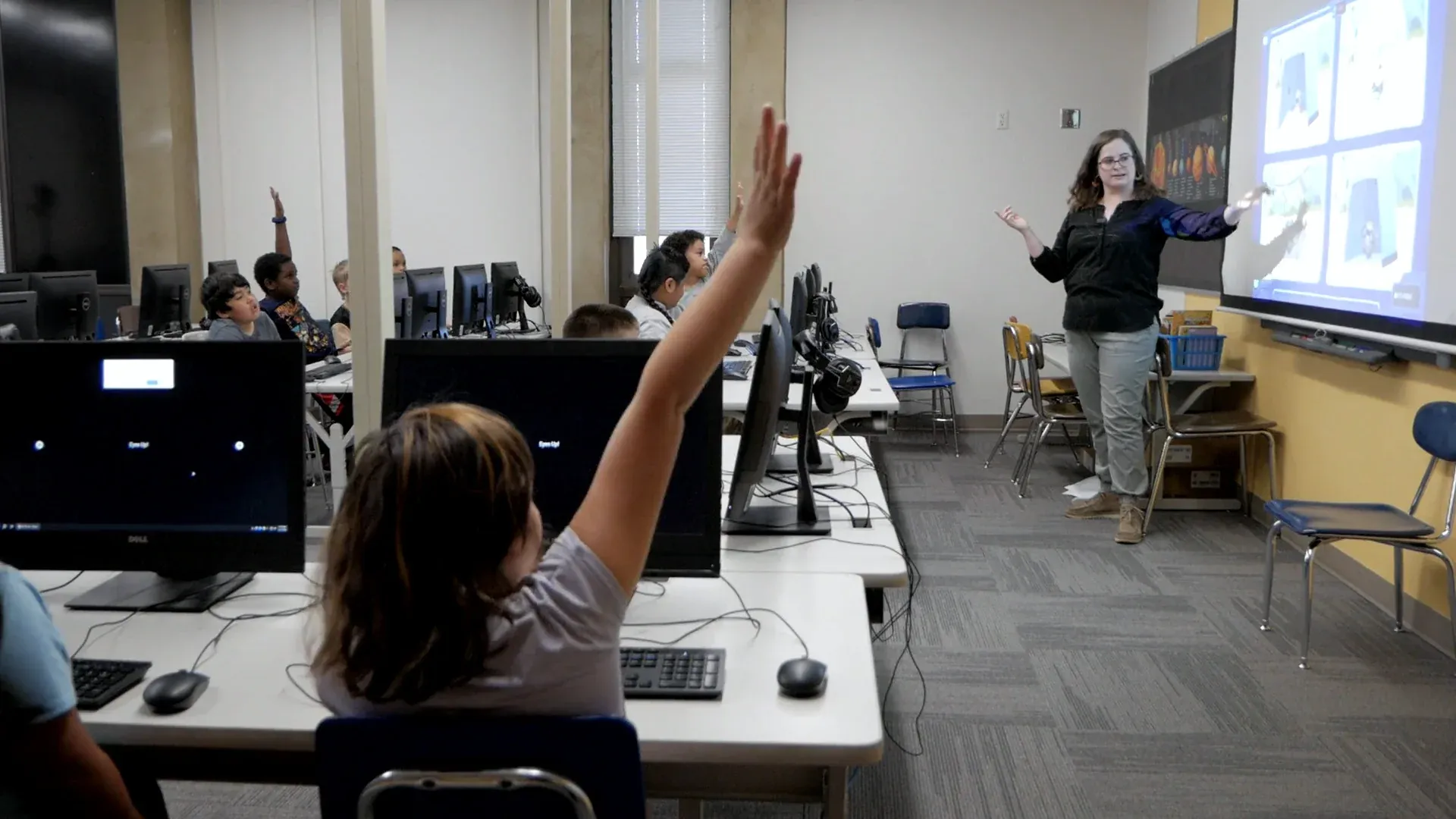
    A young student at a desktop computer stretches one hand high while her teacher, at the front of a computer lab, gestures toward a projected screen.
    What you'll see: rows of second graders at their own screens, hands going up, and you at the projector asking what happened when it got hot.

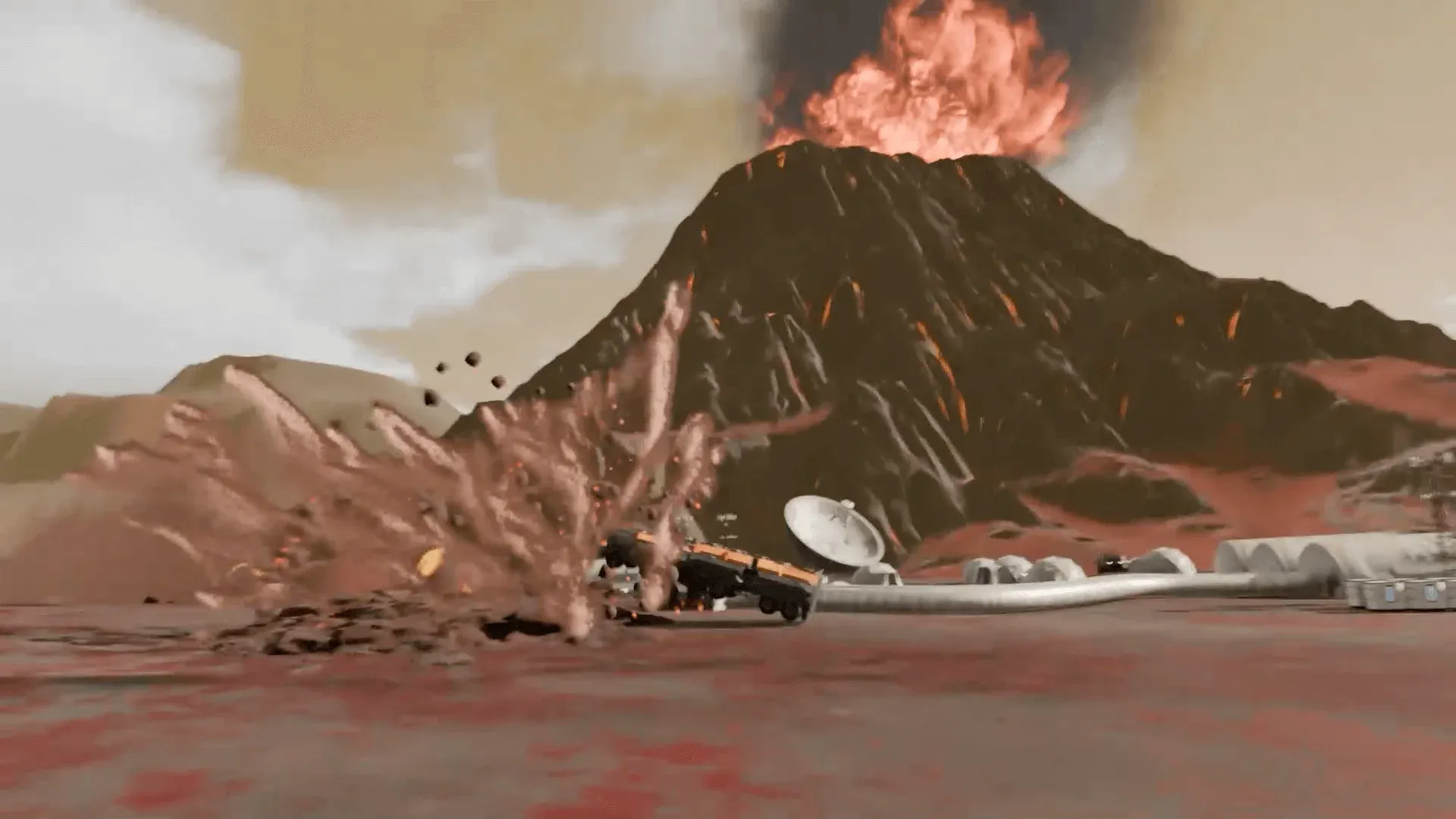
    Dr. Marvin has invented a device that changes an object’s temperature in an instant, and it has caused a few mishaps. Your class draws on what it knows about reversible and irreversible changes to help sort out the mishaps.

    Each student works through it on their own screen while you’re between the desks, asking what happened when it got hot. The story goes the way most of the class chooses, and each child’s own choices and answers go into their report.

    Against the six:

    • Stakes. Dr. Marvin’s invention caused a few mishaps, and he needs your class to help sort them out.
    • Apply. The class works from what it knows about reversible and irreversible changes (NGSS 2-PS1-4, construct an argument with evidence that some changes caused by heating or cooling can be reversed and some cannot).
    • Accountability. Nobody shares a screen: each seven-year-old answers alone, the story follows the majority, and each child’s own answers go into their report.
    • Teacher leads. Once the 5-minute Teacher Preview is done, start it up and circulate with three questions: What happened when it got hot? Can we get it back? What’s your evidence?
    • Debrief. Its Mission Guide includes two debrief activities: States of Matter and a debrief discussion.
    • See who did what. Every child gets a report on how well they did, built from their own choices and answers across the Mission.

    “The missions are so engaging and entertaining my students don’t realize I am giving them an assessment.”

    Savannah Watson, Teacher, Orchard Elementary, UT

    Will it work in my room?

    Students join with a class code: no student accounts, no student email, no passwords. Chromebooks, laptops, or tablets, plus your projector. Free for teachers, no credit card. Student data is covered by COPPA and FERPA, and we signed the Student Privacy Pledge. No projector or devices? Which One Doesn’t Belong needs neither, and the sheet still works.

    START FREE →

    Communication first, then this one

    This is one Mission. There are more than 100 built the same way, from fossils to fractions, each one somewhere for a unit to go, with a report on every student each time. Every lesson finally has somewhere to go.

    What the report shows

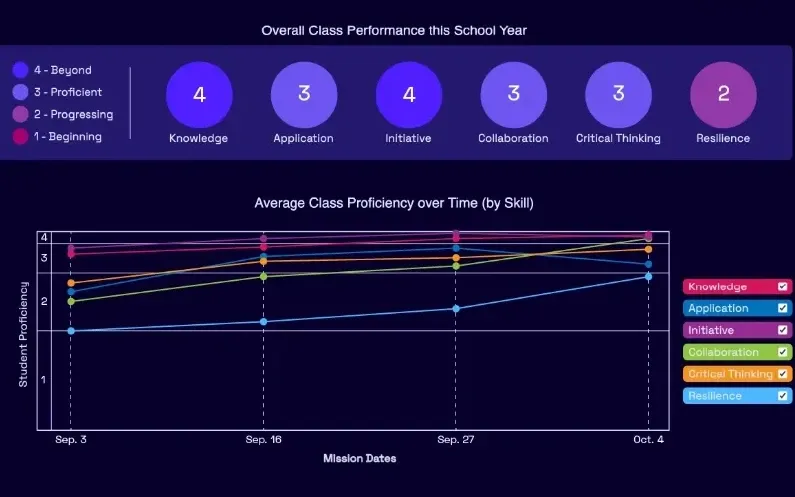
    A Mission.io class report: the class score in each of six skills, from knowledge and application to collaboration, critical thinking, and resilience, with the class chart across the year below.
    A class report from a real Mission: the class score in each of six skills, then each skill across the year.

    Every Mission produces a report for every student, built from what that student did across the whole Mission, on the skills the Mission captured. The six it can capture are Knowledge, Application, Initiative, Collaboration, Critical Thinking, and Resilience. The first two are what a test already sees. The other four are the human skills every school promises. The test shows what they know. The report shows the rest. This is where critical thinking gets practiced, and the only place it gets measured. SEE THE EVIDENCE →

    You taught it. Now find out who can use it.

    Who's behind it

    Mission.io is a research and design organization with one job: make collaborative, active learning something a teacher can run every unit instead of once a semester, and put a report in your hands when it’s over. Over a million students have run a Mission. The research behind them is funded by the National Science Foundation and the U.S. Department of Education’s Institute of Education Sciences, and Mission.io meets ESSA Level II standards, as validated by Instructure.

    “Unlike other tech programs in the district that often have students working in isolation or in pairs, Mission.io emphasizes true collaboration.”

    Lorilee Johnson, District specialist, Alpine School District, UT
    START FREEMISSION BRIEF →

    Free teacher account, no card. Start with the Communication Mission, marked Start here in your library, then Hot and Cold Changes, each after its 5-minute Teacher Preview.

Questions 2nd grade teachers ask

My 2nd graders are afraid of being wrong. Is critical thinking too risky for them?

Not this kind. In Which One Doesn’t Belong, every shape can be the right pick, so the only thing a seven-year-old can get wrong is the reason, and the word bank hands her the words for a good one. The risk shrinks, and the precision she’s already good at gets the credit.

Isn't Which One Doesn't Belong supposed to have no right answer?

As a warmup, yes, and that’s its charm. The rebuild keeps it: any shape can go back. What has to be right is the note, because the rule the other three share has to be true. Two groups can send back different shapes and both be correct, which is the best part of the debrief.

How do I get my class past "it looks weird"?

Put the attribute words where everyone can see them (sides, corners, equal, curved) and accept only reasons that use one. Then ask the Finder for a second attribute reason. Two attribute reasons per group is a fair daily target for seven-year-olds.

Can I use this outside math?

Yes. Any four things with attributes work: four animals in a life science unit, four materials when you’re heating and cooling things. Swap the word bank for the unit’s words and keep the jobs.