Understanding Rigor in Education: What It Is and Why It Matters
Grace Balena
Forget rigor mortis. How about a lesson that bores your students to death? When we talk about rigor in education, it seems pretty hardcore. Traditionally, a rigorous classroom is a strict classroom, rigidly bent on grades and a ruthless curriculum. Don’t worry, livening up your lessons is easier than you think.
Rigor in Education
Rigor means having high expectations for all of your students. Students can engage in deep thinking with neural plasticity, not the rigidity that the word “rigor” often conjures. Rigor is not about the volume or length of work. In an age where AI can generate essays in seconds, the quantity of output is no longer the benchmark for achievement.
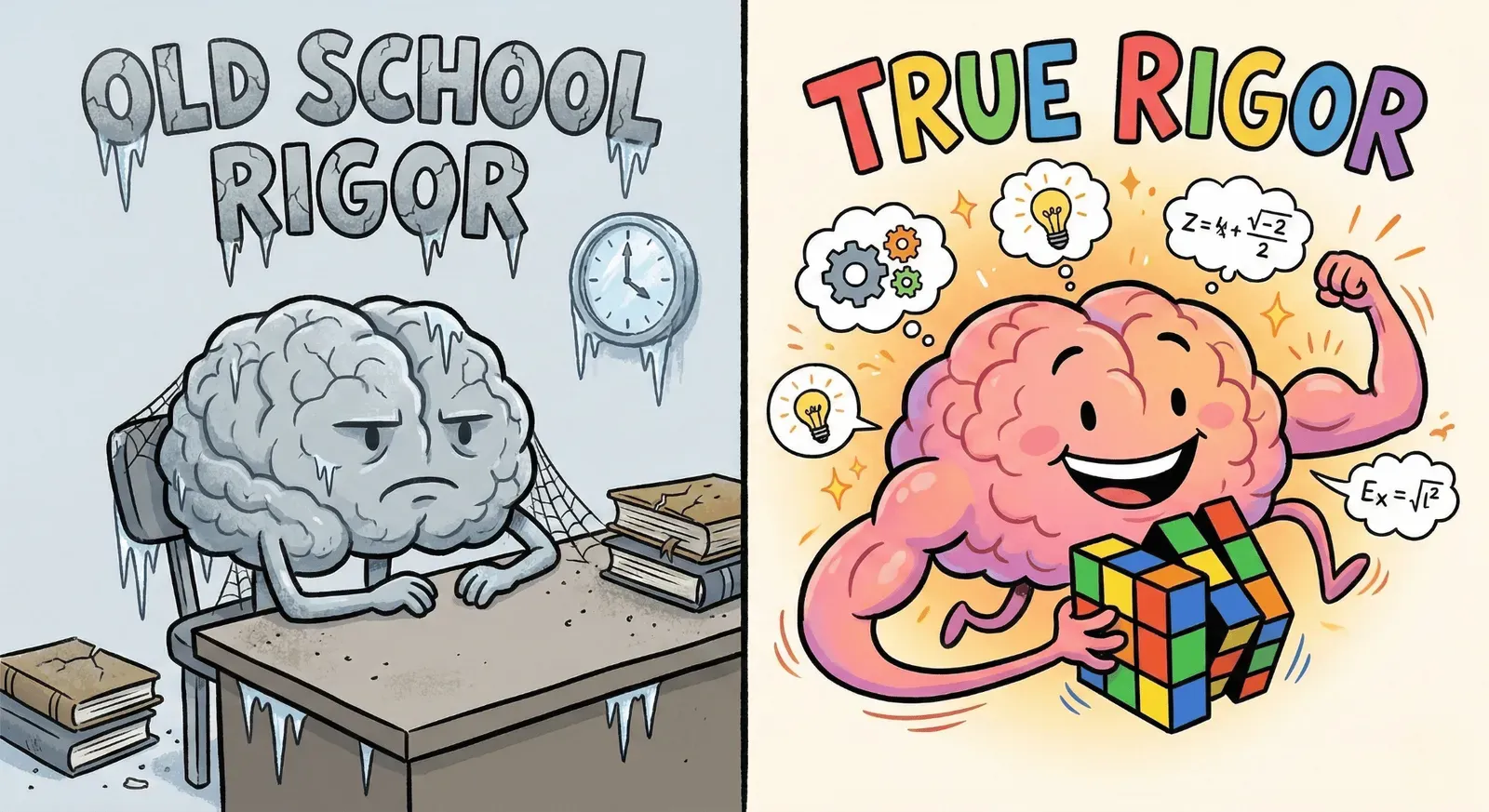
People commonly mistake more and harder classwork for rigor. Simply giving your students challenging material with no build-up, scaffolding, or support will only cause frustration and failure. Imagine a dachshund running through the dog park, scampering around on his little legs. He is perfectly capable of running, so long as you open the gate. You can support your students in a similar way (disclaimer: we do not encourage letting your class loose in a dog park).
What Rigor Looks Like (and What It Doesn’t)
There is a fine line between difficulty and complexity. Rigor invites students to push deeper, not just work harder. It is not piling on extra homework, and work should not feel like a punishment. Often, the most complex and intriguing work doesn’t feel like work at all.
A rigorous classroom could mean having students analyze their own projects or the logic behind why that experiment went wrong. Teach them how to evaluate and even create their own tasks and work.
Impact on Student Learning
Rigorous work challenges students to move beyond basic memorization into critical thinking. Students learn how to transfer their skills and explain their own learning processes. They gain a deeper understanding of your lessons and of how they learn and work best, which makes them more self-aware students.
However, implementing rigor without proper support is risky. Challenging students without giving them the tools and encouragement they need to succeed can be counterproductive.
In one study, researchers observing calculus students tried to determine the cause of an achievement gap between students. Instructors had initially assumed a lack of effort from some students. But then, researchers increased student access to skills and study groups. Failure rates dropped significantly, and the achievement gap began to close. The students got better grades, had more confidence in themselves, and were more likely to persevere through the program.
The rigorous class was inclusive because students got support and resources to improve their skills as they struggled through the complex coursework. Maybe I wouldn’t have failed my first college math class if I had been in that study. Sigh.
Strategies to Design Rigorous Instruction
Here are some strategies for designing and engaging your students with rigorous instruction.
When designing tasks and activities, seek out open-ended questions and outcomes. Make work complex and multi-step, so students have to manage their time and the logical flow of the work.
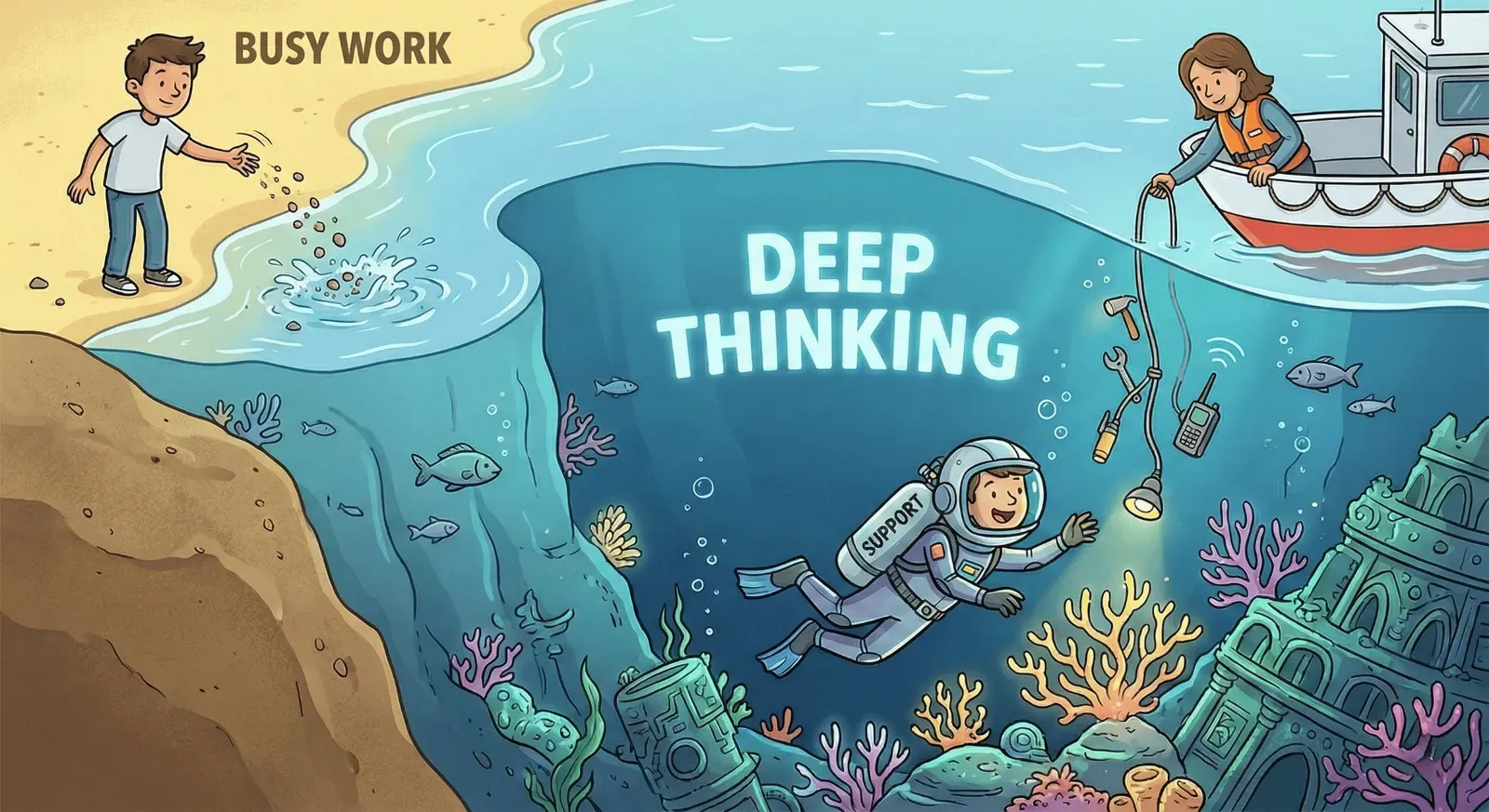
Scaffold your lessons to support students as they encounter new and complex material. Scaffolding helps you ease students into independent study without kicking them out of the nest. Scaffolding also allows you to differentiate approaches between students, so you can keep the students who fly ahead interested without leaving behind the nervous fliers. Let students have a say in the kinds of lessons and work you provide. Whenever possible, showing students that you value their voice will motivate them. Trust that they will want and appreciate the challenging work, especially work they care about. Persuasive writing goes from boring to revolutionary for a student trying to persuade their parents to make bedtime one hour later.
Be transparent about what success looks like in your classroom. You can provide them with models of excellence from past students or even your own work. Students can then set goals to reach the level of those models instead of feeling left in the dark about your expectations.
Incorporate “productive struggle” intentionally into your lessons. Even students with prior knowledge should be given the opportunity to struggle and overcome, which can be a good exercise in rigorous learning and building confidence.
Building a Supportive Culture for Rigor
We can all stand to learn something from Ms. Frizzle: classrooms should be conducive to learning. While you might not have a magical school bus that allows you to teach about animal cells from inside the membrane, there are practical ways your classroom culture can invite rigor and engagement at the same time.
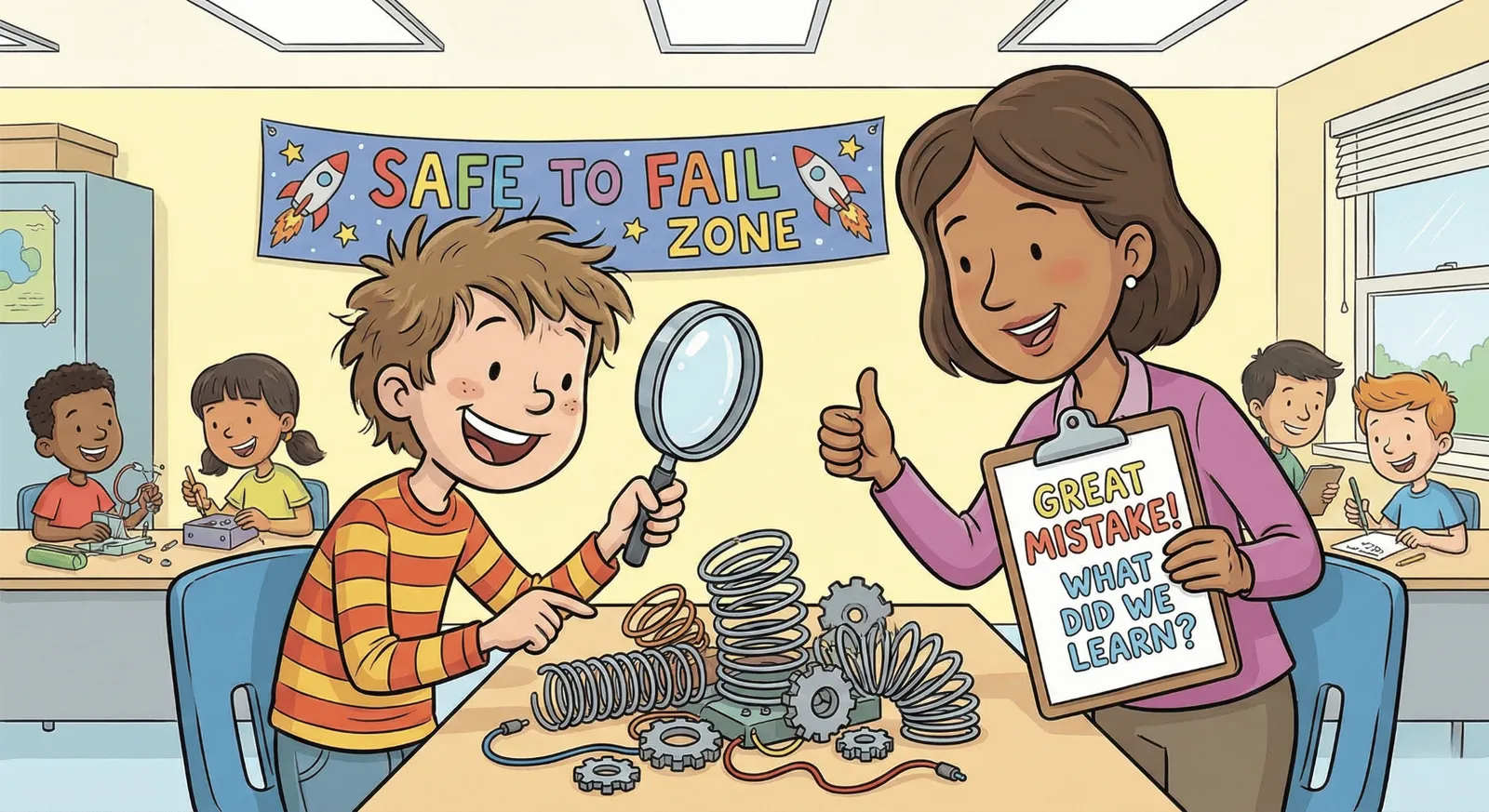
Mistakes become learning opportunities when students feel like they are in a safe environment. Students should feel comfortable knowing that if they fail, it is only an opportunity to try again. Rigorous tasks go beyond perfection into the messy joy of learning.
Building relationships with your students lays the foundation for rigor. Students can trust you to guide them through their struggles, and they will feel free to ask difficult questions and say openly when they are uncomfortable or stuck. They cannot express their vulnerabilities or need for help if the classroom does not feel safe to experiment in. Make sure your students know you value their thought processes over specific outcomes or speed. Students can rush through work and even get a good grade without really struggling and learning anything.
Assessment & Feedback in Rigorous Contexts
Align your tasks, assessments, and criteria to different levels of thought from students. When you assess their level of engagement, as opposed to the heights of their achievement, students feel that their thoughts are valued. You teach them that the most rigorous projects help them dive deeper, fueled by brainpower (the way so many lessons are fueled by caffeine).
Incorporate formative assessments and checks for understanding throughout your lessons to monitor and adjust to the needs of your students. It might help to scaffold your classroom to provide support in groups. Conversely, if all your students are catching on more quickly than you anticipated, you can prompt deeper thinking and ask open-ended questions for them to reflect on their own learning.
Feedback loops can help students plan and reflect. Student thinking can improve greatly when they are tasked to determine personal goals, consider criteria, find evidence of their understanding, and then take action to reflect and improve. Your students will appreciate the opportunity to take charge of their education.
Overcoming Challenges & Common Pitfalls
With rigorous instruction and expectations, it can be all too easy to overwhelm students. Rigor should include a balanced workload. If you ever feel like your students begin to resemble cubicle-zombies (only with pimples instead of combovers), take a step back. Students should also feel like they can express their concerns to you, trusting that you will meet their needs and support them.
Recognize issues of equity in the classroom. Some students will have less time for homework and more responsibilities at home. While you may not know all of their individual situations, building trust and teaching students how to ask for help can go a long way. Assess which student needs can be met with scaffolding. Work with all levels of understanding, providing “Low Floor, High Ceiling” opportunities so that work is accessible even for students with the lowest readiness level.
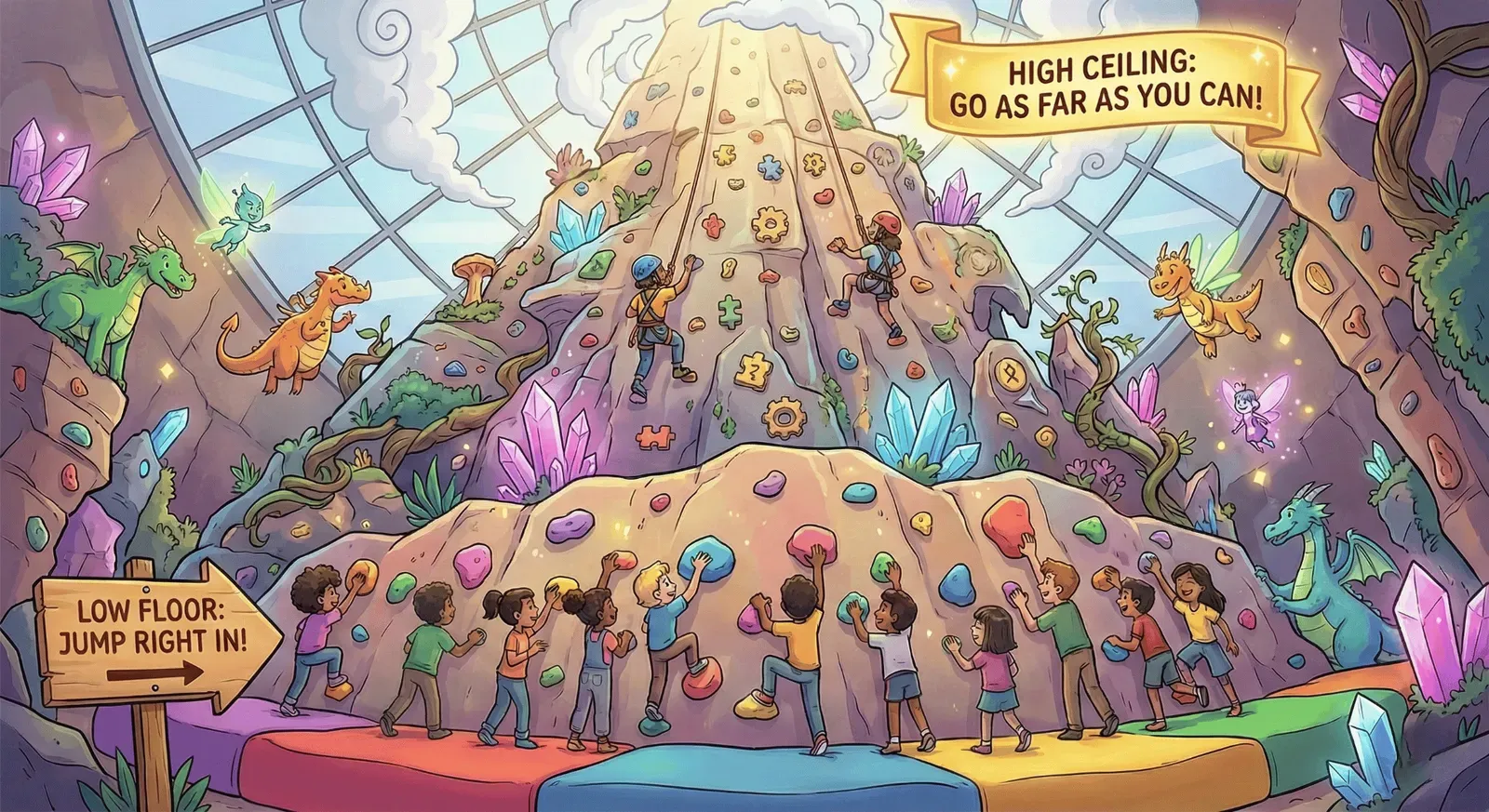
Be careful not to assume “rigor for all” means that learning will look the same for all students. Students with different needs will experience complex lessons with a high level of frustration if your support doesn’t meet their needs. As much as possible, try to anticipate the most likely needs and obstacles for your students for each project or task.
Students may resist standards that feel unfairly high, so give them a way in: break down overwhelming projects, or teach a lesson on time management or the power of setting goals.
Future Directions & Innovations
Maybe you have already savvily incorporated technology into your classroom to advance rigor and challenge students. Right now, there are AI-driven systems being developed that can assess and meet the needs of students. Technology is evolving to better detect the depth of student thinking and push students to come to new conclusions and think more deeply on their own.
Across different subjects and cultures, the definition of rigor is changing. No longer is it the cold, severe lesson that leaves little room for anything but rote memorization and ridiculous attention to minor detail. The goal is critical thinkers, students whose own agency drives their learning more than compliance ever could.
Creating a Culture of Rigor and Support
Creating a culture of rigor is possible in every classroom. Start small. Where are your students’ projects too shallow? Where are they inaccessible?
Begin with small changes to your classroom and lessons. Calibrate your lessons to suit the needs of your students and scale up when you feel your students can handle the challenge.
Surprisingly, even games can be rigorous. That’s why Mission.io builds teacher-led, whole-class Missions that are as exciting and engaging as they are educationally rich. Games require failure and increasing complexity, which makes them fun and challenging at once. For more ideas about implementing learning via games, check out our page on how to Turn Learning into an Experience with Gamification.