Reflection Questions for Students That Enhance Learning
Grace Balena
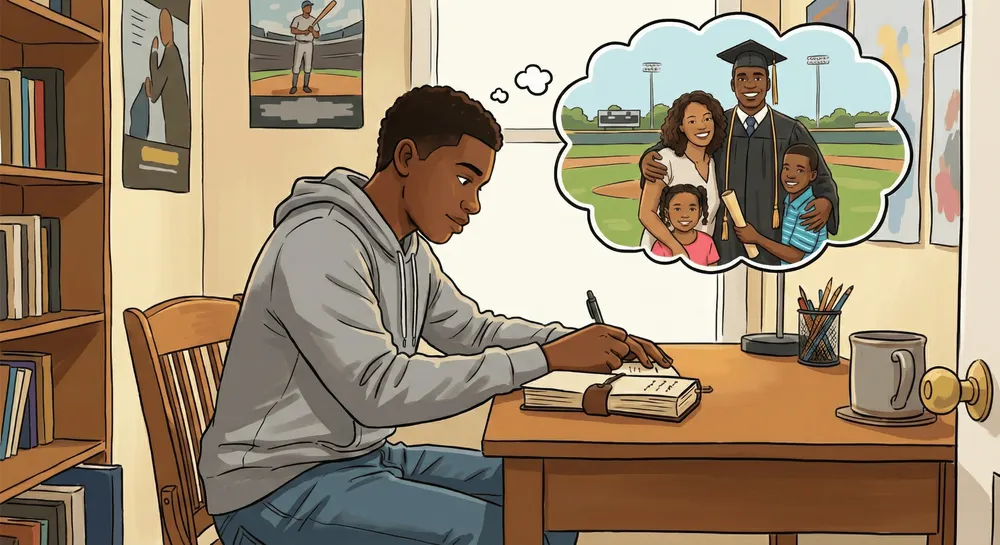
Get out your vanity, and turn on the lights. Gaze into your smart, academic face…
Stop! Not that kind of reflection!
When students reflect on their inner feelings and growth, that’s when the real learning happens. Reflection questions guide students in mapping their development and deepening their understanding.
Introduction: Why Reflection Matters
Reflection builds self-awareness, and it keeps students learning long after a lesson ends. Teaching it helps students absorb lessons, and as a metacognitive skill it supports them in their lives beyond academics. When you invite students to reflect, they also work on emotional wellness, resilience, and critical thinking.
Below you’ll find practical frameworks and strategies to deepen student learning, plus a list of great reflection questions!
The Power of Student Reflection
Metacognition
Reflection helps students understand how they learn as well as what they learn. When students can metacognitively break down these processes, they can tap into deeper learning.
Emotional Growth
Giving students space to reflect, especially on emotional questions, can help them develop empathy. Processing their emotions builds self-awareness, and staying in touch with those emotions builds resilience.
Future Readiness
Asking students to reflect can help them develop their decision-making, problem-solving, and adaptability skills. When students look at what went well and what could be improved, you can help them change by building on those past experiences.
Academic Benefits
The academic benefits of student reflection include stronger retention of material, better self-regulation for goal setting and planning, and overall better academic performance. Without reflecting on what has been learned, students have a harder time recalling and remembering important information when it’s needed, like on similar projects, experiments, or tests. Reflection questions help that learning last.
Frameworks for Reflection
Four frameworks help students grow as reflective thinkers.
-
Backward-Looking: What happened? What was learned? What challenges arose?
-
Inward-Looking: How did I feel? What assumptions did I hold? How did I grow?
-
Forward-Looking: What will I do differently? How will I apply this? What are my next goals?
-
Checkpoint Reflection: Daily → Weekly → Unit → Semester → Yearly.
Categories of Reflection Questions
We’ve sorted the reflection questions below into categories. Within each of these categories, there is the possibility for backward, inward, forward, and checkpoint reflection.
Daily & Weekly Reflection
For an easy entry point, give students the opportunity to develop a consistent habit of reflection.
-
“What was the most important thing I learned today?”
-
“When did I feel most focused? Most distracted?”
-
“What’s one thing I’d do differently tomorrow?”
Academic & Project-Based Reflection
For project-based activities, these questions can help students connect fun experiments (or Missions!) back to your lessons.
-
“What part of this assignment challenged me the most?”
-
“How did my perspective change during this project?”
-
“Where did I take risks, and what did I learn from them?”
Personal Growth & Habits
Reflection questions encourage students to form good habits. You could pair these questions with lessons on growth-mindset or perseverance.
-
“What habit am I trying to change or strengthen?”
-
“How do I handle setbacks, and what helps me recover?”
-
“What relationships support my growth the most right now?”
Social & Emotional Reflection
If you struggle with disruptive behaviors, emotional reflection questions can help students self-regulate. These questions can help repair relationships and allow students to become emotionally strong.
-
“How did I contribute to my class or community today?”
-
“When did I feel empathy for someone else this week?”
-
“What helped me manage stress or anxiety?”
Future-Focused Reflection
Allowing students to set goals can inspire them to work harder. Reflecting on their progress will teach them accountability and time-management skills as they plan for future achievements.
-
“What’s one goal I want to focus on this month?”
-
“How will I use today’s learning in real life?”
-
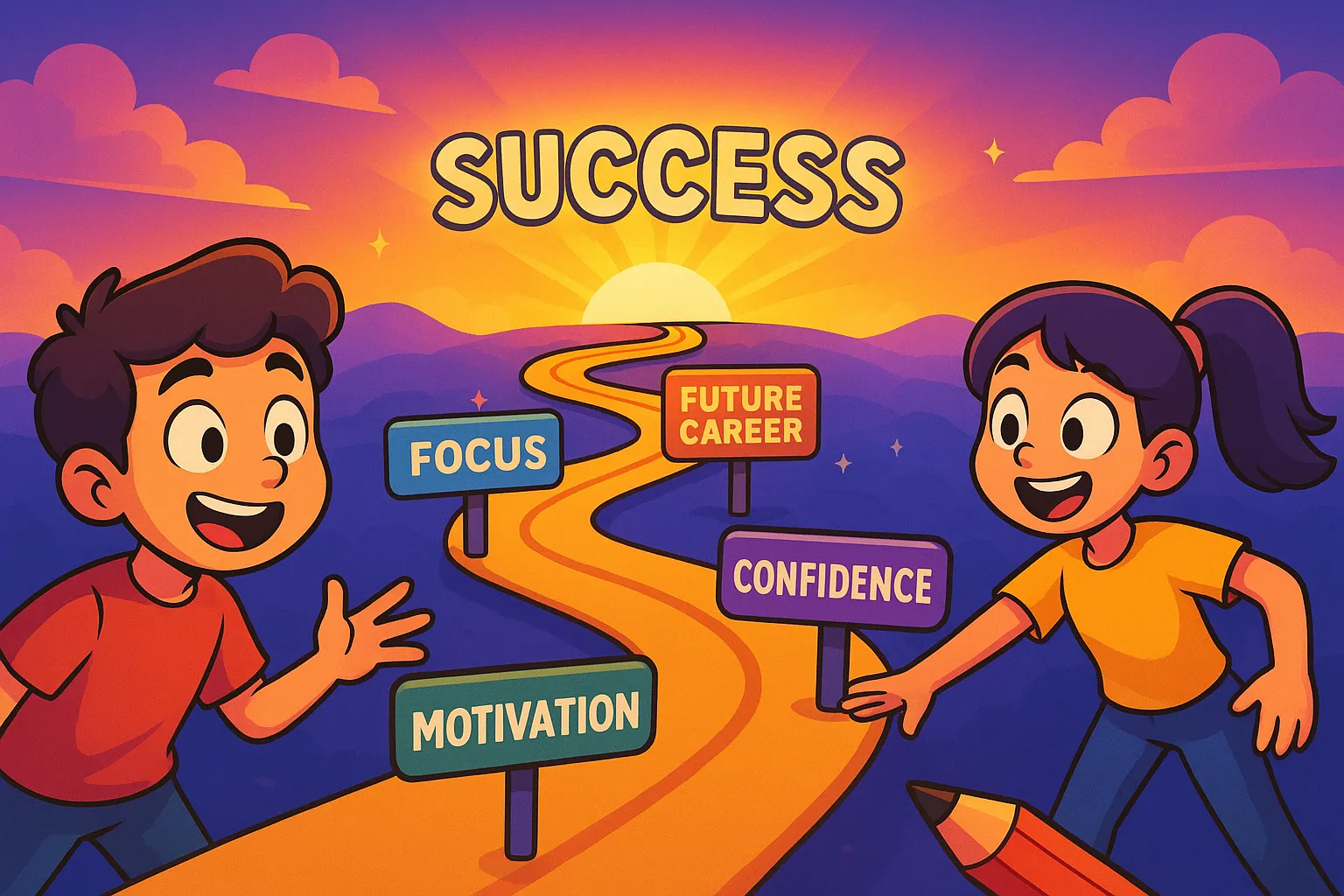
“What does success look like for me, and how am I moving toward it?”
Well-Being and Life Skills
A self-care routine matters for academic success. These questions are especially helpful for secondary students.
-
“How does my morning routine affect my focus at school?”
-
“Did I maintain healthy eating habits this week?”
-
“How am I starting to prepare financially for my future goals?”
Tools & Methods for Reflection
Structuring reflection can help your students stay organized. Regardless of the medium, students will appreciate seeing the progress they’ve made, especially if you establish consistent, year-long reflection habits.
Journals and Notebooks
Reflection journals are a low-effort, high-reward route to prompt personal and academic improvement. Keeping a physical journal of daily or weekly reflections can be immensely gratifying for students to look back on throughout the year to appreciate how much they have learned and grown. The habit of physically writing in a journal can also help younger students work on their handwriting.
Digital Tools
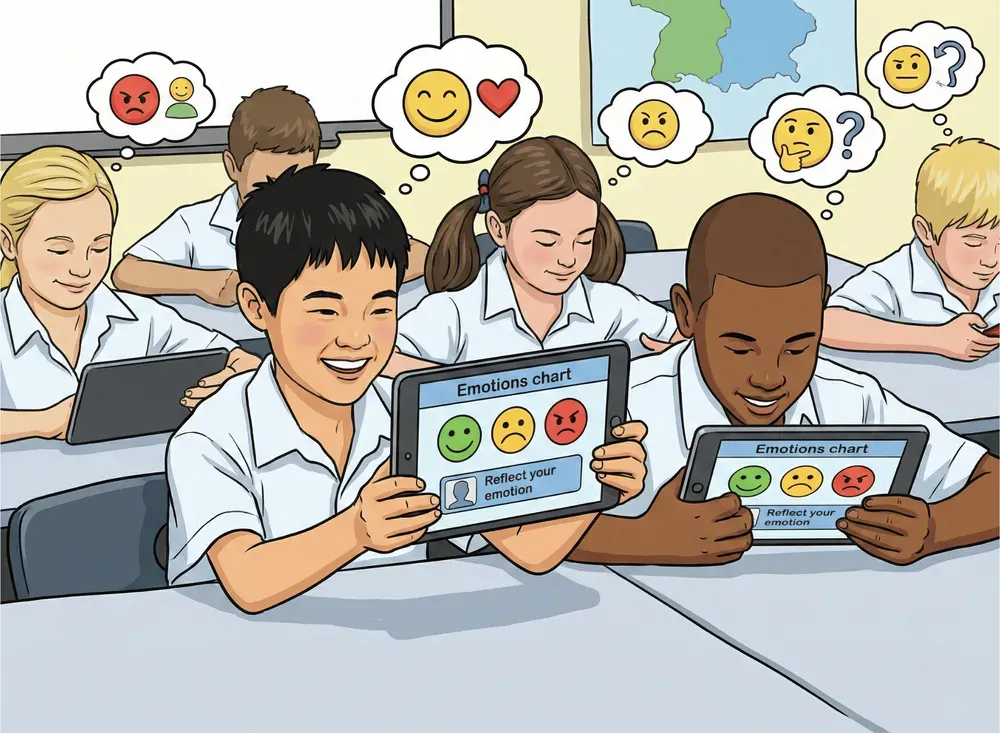
If you prefer digital media, and don’t want to deal with water-ruined, dog-eaten, lost-and-nameless reflection journals, there are many apps and websites available. Google Docs works well as a digital journal. Flipgrid allows students to record videos, which can double to help them work on public speaking. You might also introduce digital habit trackers to help students monitor personal habits like sleep and study time.
Creative
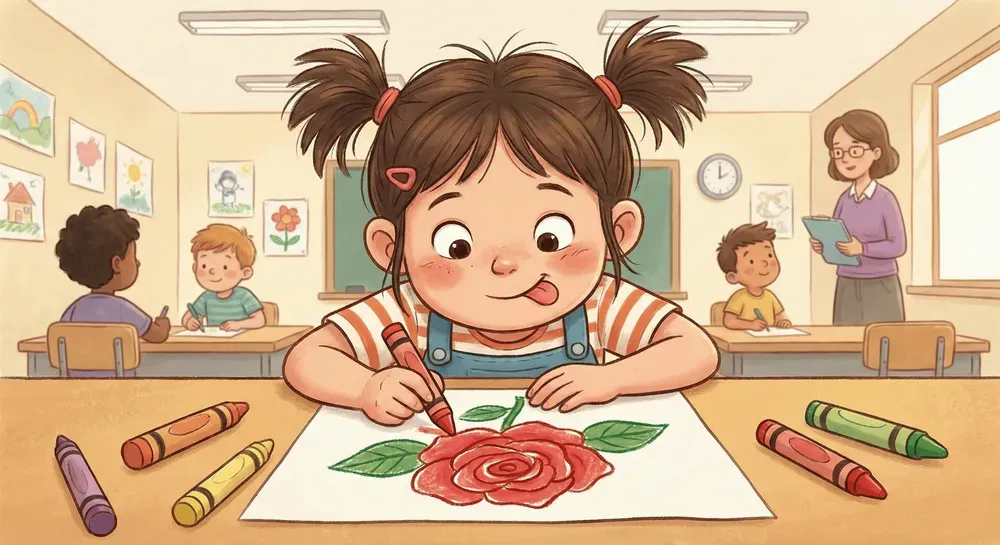
Creative reflection offers insights and a break from the typical day’s routine. Ask your students to draw a comic based on their setbacks and comebacks in the past week. Have them draw and label their own “rose-bud-thorn” reflection charts. Task them with writing a song about their strongest (or silliest!) emotions. For digital media, ask students to script, record, and edit a video, skit, or podcast.
Discussion-Based
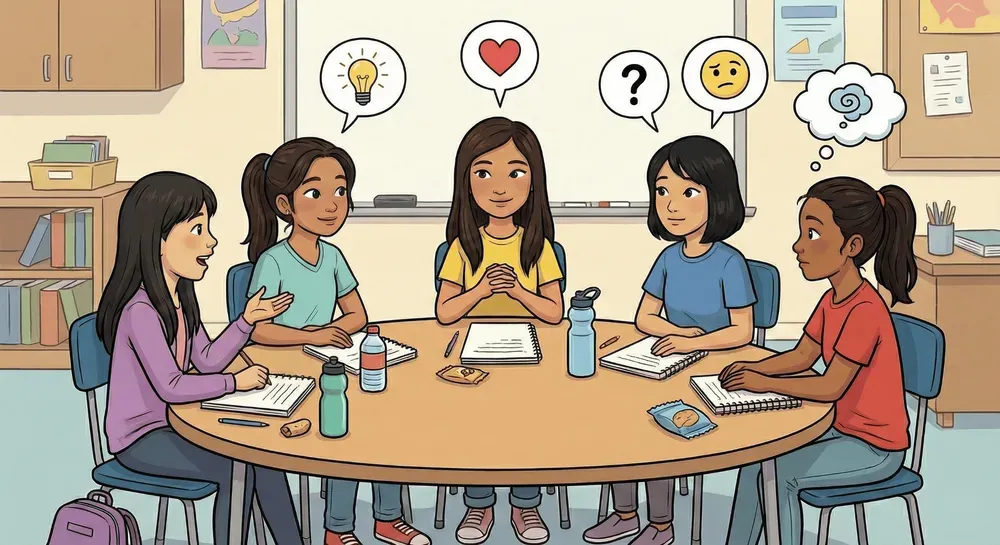
Discussion-based reflections allow students to improve collaboration skills and gain insight alongside peers. Forming small groups, or even pairs, encourages students to reflect, learn from each other, and have empathy for the growth and struggles of their peers.
Overcoming Reflection Challenges
Superficial Responses
Use sentence stems or open-ended questions to prompt deeper reflection. You could also try presenting sample responses or taking time to individually reflect with certain students.
Student Resistance
Make reflection engaging and safe. Never share a reflection without their explicit permission, and respect all of their responses, even if they seem surface-level.
Time Constraints
Use micro-reflections (one or two minute prompts) as a transition between lessons or before the end of the day. Naturally slip in moments for reflection, and build the habit through brief but consistent check-ins.
Equity & Inclusion
Make sure every student’s voice and perspective is heard. Sometimes student reflections may become very critical, either of themselves, their peers, or even the teacher, and you have to allow them to feel like they have a safe space to reflect.
Reflection Question Bank
Click here to access our easy-to-print, downloadable Mission reflection worksheet for students! Or, access a list of guided post-Mission reflection questions here.
Reflection as a Lifelong Skill
Reflection will benefit students outside of school. You are shaping the way they learn, and they will shape the future.
Make reflection part of your daily routines. Even micro-reflections at the end of every day can change how your students think about their own learning, along with what they learn. It’s a gratifying life skill, and it shows both their learning and your skill as a teacher.
Have your students already mastered reflection? Check out our article on the next step for your classroom: How to Incorporate Student-Led Learning Into Your Classroom.