Effective Goal Setting for Students to Achieve Success
Ryann Garland
Introduction to Goal Setting
Goal setting is a vital skill for students to learn and practice early in life. Students who can set effective goals do better academically and are more motivated to reach future career goals. A recent study found that students who participated in goal-setting and reflection surveys improved their grades by an average of 3.4% to 8.4%, compared to students who did not participate in the surveys. Clear goals give students ownership of their learning. Sure, maybe we sound like a personal trainer, but hear us out: it actually works.
Not all goal frameworks are created equal, however. SMART goals help students understand their strengths and weaknesses, which builds self-confidence and gives them a clear path to improve.
Through the goal-setting process, students can create meaningful goals, prioritize tasks, and gather resources to achieve success. Academic goals also help students focus on specific results and build skills they’ll need later.
Understanding SMART Goals
SMART goals are a classic framework for goals, and that’s because they actually work. No, not “smart” like 4.0 GPA smart. SMART goals aren’t about being perfect. They’re about knowing when you’ve achieved something. These types of goals are specific, measurable, achievable, relevant, and time-bound. Together, these elements give students a clear roadmap for setting and reaching goals. SMART goals also help students manage their time, prioritize tasks, and stay motivated.
Reaching a SMART goal boosts a student’s self-confidence, which feeds intrinsic motivation and academic progress. By using the SMART goal framework, students can create achievable goals and track progress towards success. Using assessment data helps measure improvement and adjust goals. When teachers measure progress regularly, students stay on target. Progress is powerful; every small win builds confidence and motivation.
Setting Academic Goals
Academic goals give students direction and motivation. Setting short-term and long-term goals helps them stay focused and committed. Tracking average growth for a student or among a class can also help students measure their improvement over time.
The best part is that students can set all kinds of goals. Want to finally stop pulling all-nighters? Go for it, friend. Want to beat your bestie’s Wordle high score? That’s another. Whatever keeps you motivated, go for it.
Goals to improve grades, solve problems, or manage time better are all worth setting, and each can be personalized to the student. Setting them helps students take ownership of their learning and build self-awareness.
Developing Problem-Solving Skills
Problem-solving skills let students work through challenges and reach their goals. When students set goals in this area, they practice critical thinking: analyzing problems and building solutions that work.
Better problem-solving can lift a student’s grades and confidence. A study of 369 students found that “69% made adequate growth after goal setting utilization as compared to only 60% prior to the implementation of goal setting.” Effective goal-setting strategies, like SMART goals, help students develop problem-solving skills. As students learn to get past problems and road bumps (because there will always be road bumps, honestly), they’ll do better academically.
Setting Long-Term Goals
Long-term goals give students direction and motivation for the future. They also help students understand their strengths, weaknesses, and interests. With a long-term goal in place, students have a roadmap that helps them prioritize tasks, stay focused, build skills, and do better academically.
Creating a Goal Setting Action Plan
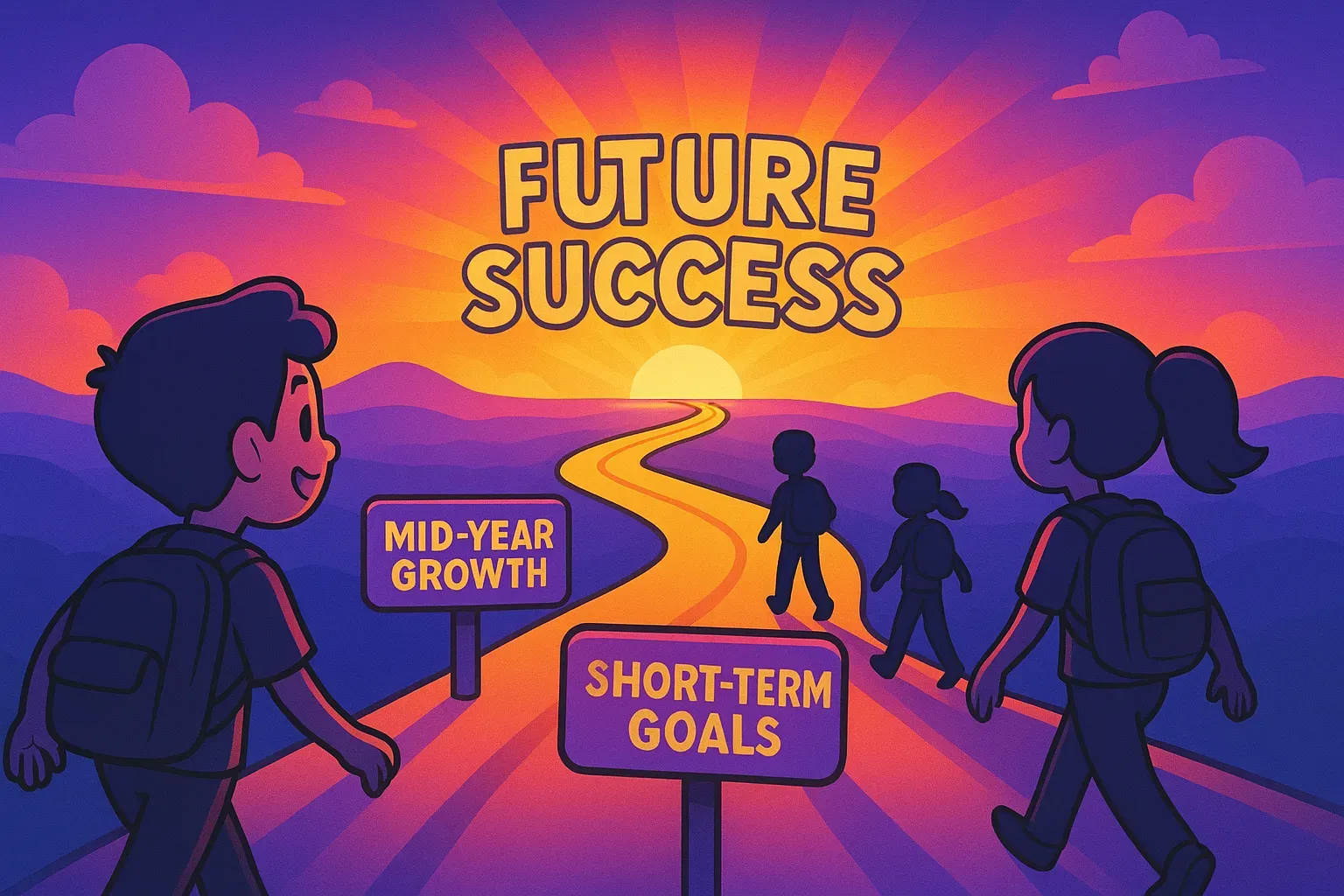
Think of a goal-setting action plan as a roadmap: it shows students where they’re going, what to prioritize, and how to stay focused. Most importantly, it helps students avoid those “scenic detours” called procrastination. Specific, measurable, achievable goals give students a clear plan.
A goal-setting action plan helps students identify resources, develop strategies, and track progress towards achieving goals. With that plan in hand, students can build confidence and do better in school and beyond.
Setting Smart Goals for Success
We’ve said it once, and we’ll say it again: SMART goals are the real MVPs. (Sorry, we can’t stop yelling about the benefits, guys.) They give students a clear framework for setting goals and reaching them. They also help students manage their time, put the most important tasks first, and stay motivated.
SMART goals help students create goals that are actually achievable. They can track their progress and experience small wins and academic success along the way. Digital tools can also make progress tracking simple and transparent for students. Setting SMART goals also builds self-awareness, as students learn their strengths and weaknesses while building skills they care about.
Prioritizing Tasks and Gathering Resources
Prioritizing tasks and gathering resources keeps students focused and motivated. Let’s face it, “I’ll remember that later” has never worked out super well for any of us. And if it’s worked out for you…tell us your secrets.
Prioritizing helps students manage their time and build good study habits. Together, those two skills help students get back up when things get hard, which matters more than any gold star.
Resources, such as textbooks, online materials, and tutoring, help students understand the subject more deeply. (Read about some of our favorite tech tools that will also enhance student collaboration). Different sources expose students to different ways of thinking and solving problems, which strengthens their own. Class discussions are also a great opportunity for students to reflect and collaborate.
By showing students how to prioritize tasks and gather resources, teachers help students reach their goals, do well academically, and build confidence.
Effective Goals for Students
As indicated by SMART goals, the most effective goals for students are specific, measurable, achievable, relevant, and time-bound. Together, these elements give students a clear framework, whether in math, literature, science, or life skills. Effective goals help students develop a growth mindset. Once they achieve one, they will be ready to achieve another. Even as students experience setbacks, their hopes won’t be lost because of the confidence they’ve developed along the way.
Overcoming Obstacles and Staying Motivated
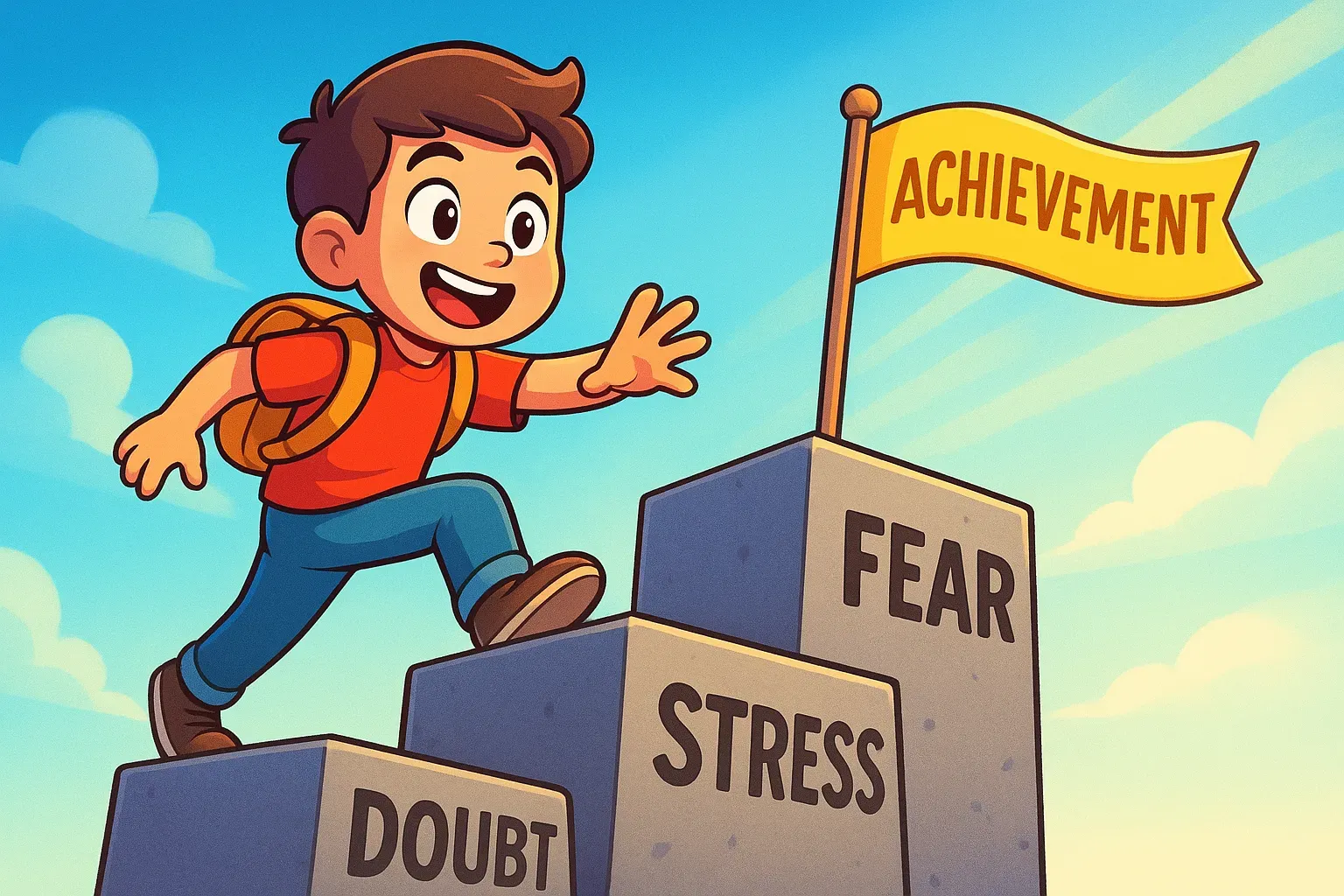
SMART goals give students strategies for getting past obstacles and staying motivated, which matters in school and in life. Motivation shouldn’t come at the cost of sanity, though. Staying motivated requires students to prioritize self-care, develop healthy habits, and manage stress.
Students who push through obstacles and stay motivated do better academically, and they build confidence as they develop a growth mindset.
Big dreams need clear plans (and maybe a caffeine boost). Mission.io makes the classroom fun and helps students break down their challenging goals into manageable, trackable steps. Whether you’re aiming for academic success, better time management or personal growth, Mission.io keeps you focused, organized, and motivated every step of the way so your class can be too.
A goal without a plan is just a wish. We’re here to make those wishes happen. With Mission.io, your students can dream big and achieve more.