Scaffolding Strategies in Education
Ryann Garland

Just like construction workers build skyscrapers with scaffolding, students can master complex concepts with support. Even the best students need some training wheels before they can pop a wheelie.
Scaffolding is the temporary structure that helps students rise. Scaffolding in education focuses on building a launchpad for students to take off into real learning (cue the Mission: Possible theme music). By offering just enough support at the right moment, scaffolding helps students grasp new concepts, flex their critical thinking, and build confidence while keeping them in the pilot seat. It’s a strategy rooted in how students actually learn best. And with Mission.io Missions, every lesson becomes a launch sequence. Countdown included, dramatic soundtrack optional (but highly encouraged).
Here’s how scaffolding works, with examples and strategies to add to your toolbox.
What Is Scaffolding in Education?
Scaffolding in education is temporary support teachers provide to help students bridge the gap between what they already know (prior knowledge) and what they need to learn. Think of it like Google Maps for students: it reroutes when you make a mistake but ultimately gets you on the right track. As students progress, that support fades because they no longer need it.
Understanding the Scaffolding Process
Scaffolding is a dynamic, flexible process that adapts to both the content and the student. The magic happens in the zone of proximal development: that sweet spot between “I can’t do it yet” and “I can do it independently.”
Rather than following a rigid step-by-step routine, effective scaffolding flows organically within a lesson. It begins by activating prior knowledge, helping students make connections to what they already know. From there, teachers offer various forms of instructional support, from modeling cognitive processes to using visual scaffolds like anchor charts and graphic organizers. These tools make abstract thinking more visible and accessible, especially when students are grappling with unfamiliar or complex ideas.
As students gain understanding, the role of the teacher shifts from direct instruction to subtle guidance. That means asking probing questions and encouraging peer interaction and collaborative learning. Instead of solving the problem for students, the teacher sets up the conditions so they can solve it themselves.
Eventually, the support comes away so students can practice self-regulated learning. The goal is for students to internalize strategies and develop the independence and confidence to take on new challenges.
Scaffolding is a responsive strategy in the learning process. It flexes based on the needs of the moment, the lesson goals, and the students in front of you. But every version of scaffolding shares one purpose: to provide just enough support to ensure progress without stealing the thrill of discovery.
Scaffolding in Action: The Three Types
Think of these as your educational power tools. Use wisely and avoid overdrilling.
-
Content Scaffolding This approach simplifies what students are learning by anchoring new concepts in familiar territory. It helps students connect new information to their prior knowledge, creating a solid foundation before layering on complexity.
-
Task Scaffolding Here, the focus is on how the learning unfolds. Large tasks are broken down into digestible steps, allowing students to experience success along the way. This structure is essential for reducing cognitive overload and maintaining momentum. Saying “write a five page paper” sounds a lot more intense than “list five ideas you have about X.”
- Material Scaffolding Concrete tools like graphic organizers, sentence starters, checklists, and templates make abstract ideas more manageable. These materials support a wide range of students by giving shape to their thinking and offering a consistent reference point. Think of it like an IKEA instruction manual: step-by-step instructions, pictures, and tools (minus building the chair taking four hours when the instructions said thirty minutes).
Used together, the three types meet students where they are and lift them toward autonomy.
Scaffolded learning helps most with students who struggle. It removes barriers and builds the confidence and skills students need to own their learning.
With Mission.io, every Mission builds in scaffolding from the ground up, guiding students through real-world scenarios with just enough structure to keep them challenged and engaged. That’s Mission.io in action.
Examples of Scaffolding in Action
Elementary Example
A second-grade teacher introduces narrative structure using a story map. As students read a short tale, they fill out key story elements (characters, setting, problem, solution). The graphic organizer provides structure without limiting creativity.
Middle School Example
During a science unit, students explore ecosystems. The teacher poses questions, guides discussions, and facilitates group work and collaboration. Students make predictions, test ideas, and share findings. Instructional scaffolding supports the journey without solving the puzzle for them.
High School Example
Older students tackle a persuasive essay. The teacher models analysis of an argument, provides a checklist, and gives peer feedback protocols. Over time, support fades until students independently write and revise with confidence. It’s like teaching a kid to ride a bike, then awkwardly jogging slightly behind for a few blocks… just in case.
7 Scaffolding Strategies Every Teacher Can Use
Whether you’re launching a new concept or guiding students through a complex task, these strategies let you provide structure up front and slowly step back as students gain confidence. If you’ve ever felt like you’re holding twelve student brains together with the power of optimism and sticky notes… this list is for you.
Modeling & Think-Alouds
Show students your thought process. Solve a problem while narrating your choices. Then challenge them to try it, with you just a few steps behind.
Graphic Organizers & Visual Aids
From Venn diagrams to flowcharts, these tools make the concepts students need to master visible and manageable.
Guided Practice
Support students as they try a task, gradually pulling back so they follow on their own.
Collaborative Learning & Group Work
Let other students become the scaffold. Peer interactions, structured roles, and clear expectations allow students to develop understanding together.
Questioning & Prompts
Ask open-ended questions that spark critical thinking. Guide students without giving away the answer.
Check-ins & Feedback Loops
Quick conferences or sticky-note reflections help you provide support in the moment and fade out once students find their footing.
Writing Assignments
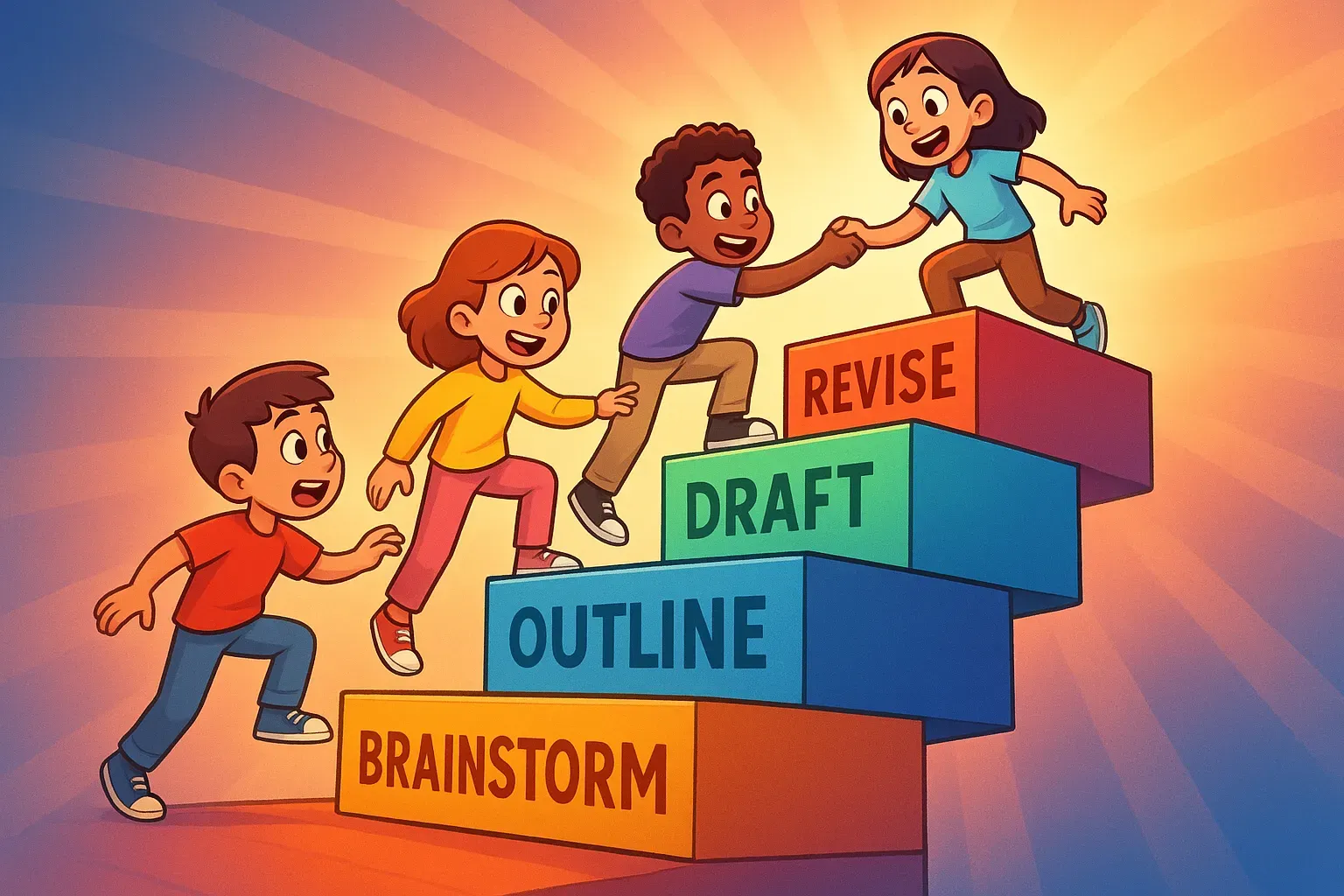
Scaffold each stage: brainstorm with a graphic organizer, outline with prompts, draft with sentence frames, and revise with peer feedback.
Creating a Supportive Environment for Scaffolded Learning
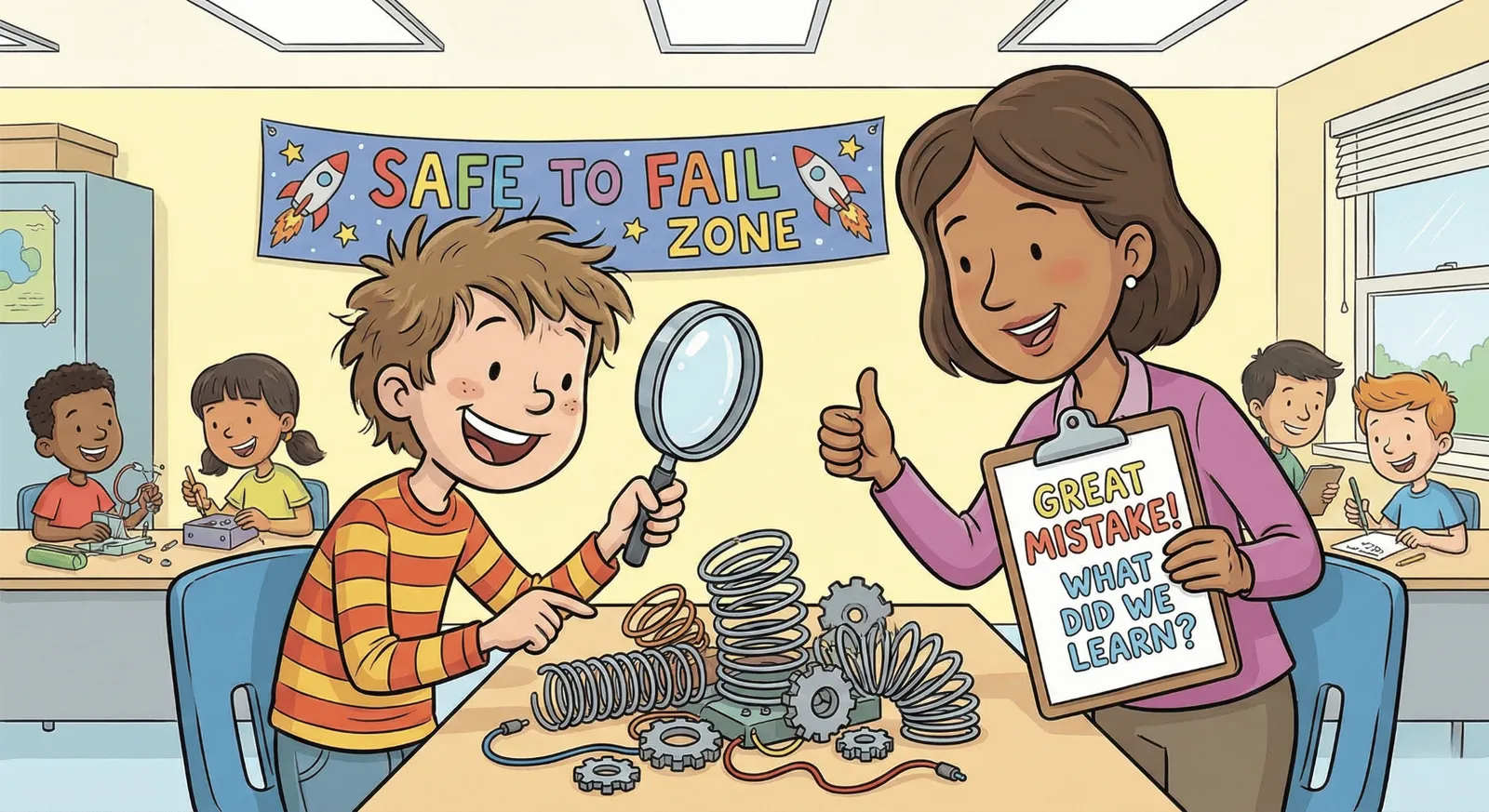
Scaffolding only supports learning when students feel safe enough to stretch beyond their comfort zones. A supportive environment is the launchpad, a place where students can try, fail, and try again without fear of judgment. In classrooms built on this foundation, students are willing to take academic risks because they know missteps aren’t punished but rather part of the process. This kind of productive struggle is where real growth happens.

In these environments, students receive instructional support without shame. They practice resilience, bounce back from setbacks, and gain confidence with every win, no matter how small. Feedback becomes a conversation, effort gets celebrated, and every student sees growth as a journey instead of a test of perfection.
Teachers build this kind of culture on purpose. They normalize struggle, point out progress, and teach strategies for self-regulated learning outright. When students understand how they learn best, they become more engaged, more confident, and more capable of managing their own growth.
Scaffolding Meets Mission.io
Scaffolding in education moves students from uncertainty to understanding while they do the thinking themselves.
Ready to supercharge your scaffolding? Mission.io gives you 100+ scaffolded, real-world Missions: teacher-led adventures your class won’t forget. Stop juggling endless teaching strategies. The Mission provides the structure and carries the story; you lead the thinking.
Try it free today and see scaffolding and storytelling work together for learning that sticks.