What are the Benefits of Collaborative Learning?
Skyler Carr
Top Benefits of Collaborative Learning
Collaborative and cooperative learning turn a traditional classroom into a place where students learn actively and stay motivated. Instead of sitting and listening, students explore: they talk through ideas, work on problems together, and build social skills along the way. This post covers the ten main benefits of collaborative approaches, including critical thinking, student engagement, and lasting academic and interpersonal growth.
What Is Collaborative Learning?
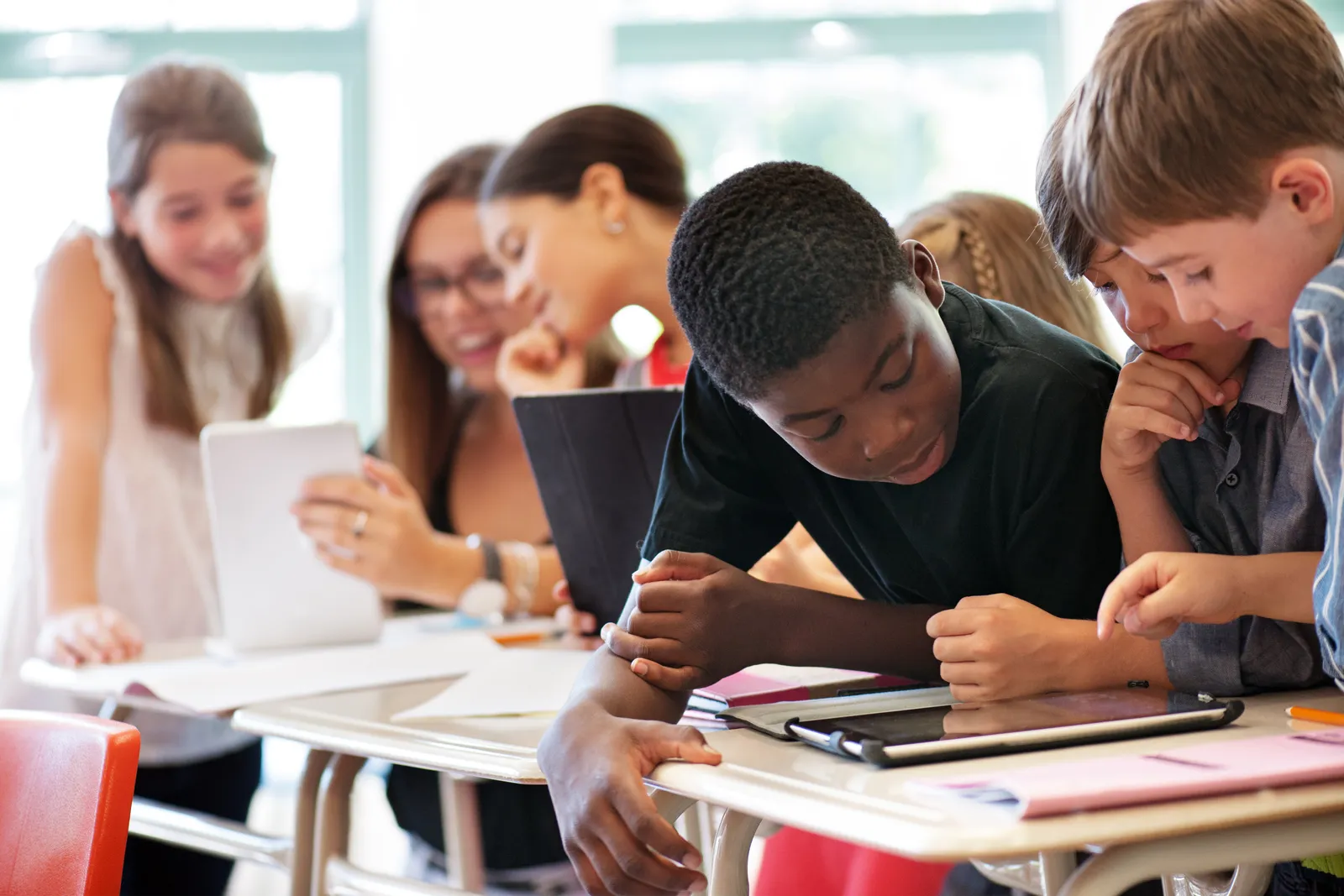
Collaborative learning is an educational strategy rooted in the belief that students achieve better learning outcomes when they work in small groups on a unified task. Each student brings their own skills or insights, and that moves the group’s learning forward. The approach goes beyond memorizing facts: students reflect, question, and make connections while they talk things through.
Contrast this with a more traditional classroom, where a teacher lectures and students passively take notes. In a collaborative setting, each student has a voice. They share resources, debate ideas, and identify solutions collectively. International journal research also shows that collaborative learning often leads to higher student achievement, improved critical thinking, and stronger communication abilities. It’s an engaging way to develop individual skills while contributing to the success of the whole class.
Benefits of Collaborative Learning
Why do so many teachers and education experts champion collaborative learning? Here are ten benefits:
-
Enhancing Problem-Solving Skills: Group members encounter varied viewpoints and strategies, combining them into new solutions.
-
Fostering Social Interaction: By sharing ideas, students refine interpersonal skills like active listening and empathy.
-
Promoting Diversity: Mixing diverse backgrounds leads to fresh perspectives and a broader understanding of concepts.
-
Improving Communication Skills: Frequent discussion makes students clearer and more persuasive, and gets them used to giving and taking feedback.
-
Inspiring Creativity: Collective brainstorming can spark breakthroughs that might never emerge in isolation.
-
Building Trust: Reliance on peers for a common goal builds mutual respect.
-
Boosting Confidence: Individuals who share ideas within a supportive team often gain self-assurance.
-
Encouraging Commitment: Shared tasks motivate all members to stay active and engaged.
-
Fostering Enjoyment: Learning as a team is often more fun, reducing stress and boredom.
-
Cultivating Critical Thinking Skills: The constant exchange of knowledge spurs deeper analysis and evaluation.
These benefits also match what many colleges look for: students who can think on their feet, work well in groups, and apply theory to real-life problems. Collaborative and cooperative learning models help students become well-rounded, confident people ready for college and beyond.
Enhancing Problem-Solving Skills
Picture a coding project in a college teaching environment where several students team up. One student excels at front-end design, another handles logic flow, and a third focuses on data security. Through collaboration, they merge strengths and tackle potential issues from multiple angles. Each person’s “aha!” moment feeds the group’s understanding and pushes everyone’s thinking further.
Experiences like this teach students conflict resolution and how to adapt to unpredictable challenges. Students sharpen their own skills, work toward team goals, and revise their solutions until the final product meets or beats expectations. That process boosts student achievement and prepares them for workplaces that run on teamwork.
Fostering Social Interaction and Communication Skills
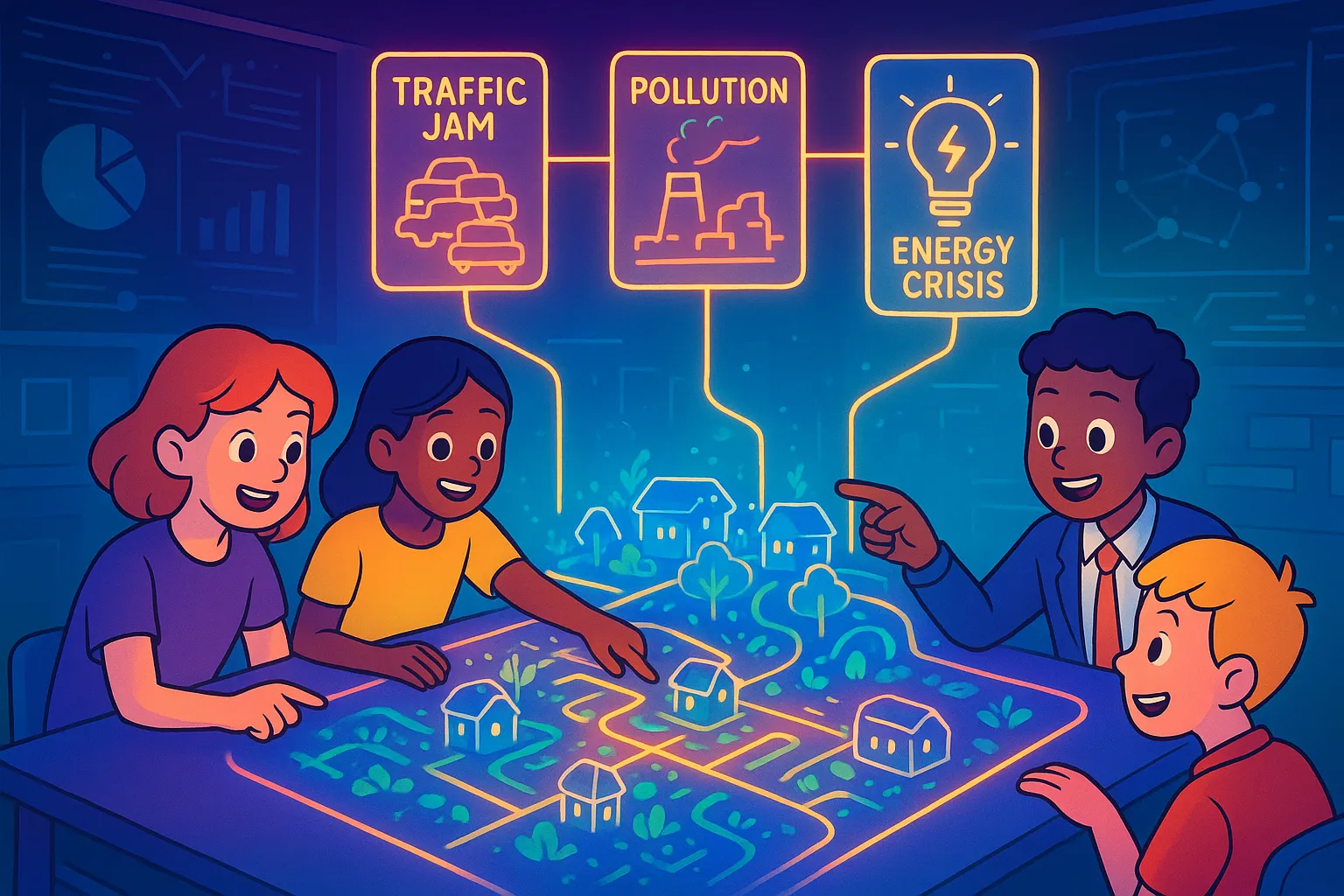
Collaborative learning depends on regular, meaningful communication among group members. Whether they’re dissecting a tricky math problem or orchestrating a group presentation on environmental science, students must articulate their thoughts, listen carefully, and build upon each other’s ideas. That builds interpersonal skills such as empathy, compromise, and conflict resolution, which can matter as much to success as academic ability.
Students who develop communication skills are better equipped to excel in future classroom activities and professional scenarios. Employers consistently rank communication as a top skills requirement, and research shows that collaborative methods in education often lead to more confident, articulate graduates. Active discussion and respectful debate are a win-win: students get better with people while learning core content more deeply.
Cooperative Learning Strategies
Under the cooperative learning umbrella, teachers often assign specific roles, like timekeeper, note-taker, or facilitator, so each student contributes to the group work. This structure resembles many real-world team projects and gives students practice in accountability and team building. Because every member’s responsibilities are spelled out, engagement stays high and nobody gets to loaf around.
Classic examples of cooperative learning strategies include Jigsaw, Think-Pair-Share, and Round Robin. In Jigsaw, for instance, each student becomes an “expert” on one part of a bigger topic. They regroup with peers to combine the “pieces” into a coherent whole. Owning a slice of the content builds each student’s skills and holds the team together. This approach is equally effective in a traditional classroom or online environment where students work asynchronously.
Examples of Collaboration in Different Content Areas
Collaborative learning works across subject areas. In math, a team might collaborate on complex puzzles requiring algebraic and geometric insights. Meanwhile, in social studies, they could form a mock political campaign, pooling their perspectives to write persuasive messages. Small groups might analyze short stories in reading or language arts, discussing character motivations and thematic interpretations before presenting to the whole class.
Science labs also offer prime ground for cooperative learning. Here, students run experiments together, compare data, and refine hypotheses, creating a sense of ownership over the outcomes. Students practice the scientific method, solve problems on the spot, communicate, and hold each other accountable.
Best Practices for Implementing Collaborative Learning
Successful collaborative learning starts with clear planning. Teachers should define learning objectives and align tasks accordingly. They should also decide how students will demonstrate mastery (presentations, peer evaluations, or reflective essays) and make sure the group dynamics encourage everyone to contribute. Incorporating roles or rubrics often helps identify responsibilities and reduce confusion.
It’s also wise to set ground rules from day one. Discuss participation expectations, discussion protocols, and how to approach disagreements. Multiple international journal studies have shown that a well-defined structure helps avoid pitfalls and boosts student engagement. This preparation pays off by creating an environment where students feel safe voicing opinions, taking creative risks, and refining their understanding.
Collaborative Learning Activities
Collaborative activities are easy to build around your lesson content. For quick in-class exercises, consider a short process like this:
-
Introduce the task (e.g., a thought-provoking question).
-
Give students time to brainstorm individually.
-
Have them team up in small groups to combine ideas.
-
Wrap up with a collective debrief as a whole class or by calling on select groups to present.
Longer projects might involve role-based divisions, peer reviews, or iterative feedback sessions. Online tools, like shared documents, discussion boards, or collaborative platforms such as Mission.io, can raise student engagement by letting students collaborate in real time or asynchronously, even when they aren’t in the same room. Whatever the format, these activities push students to interact, pull the material together, and understand the subject more deeply.
The Role of Technology in Enhancing Collaborative Learning
Digital tools open up new options for collaborative and cooperative learning. Learning management systems (LMS) like Canvas or Google Classroom help teachers organize resources and track progress, while video conferencing apps like Zoom let groups meet live. Interactive tools like Kahoot or Padlet gamify the learning experience, keeping students engaged and excited about tackling tasks together.
In more advanced settings, technology changes how students work on complex projects. AI-driven platforms can match tasks to each student’s skill level, which helps balance participation, and VR simulations can put students in real-life scenarios, like virtual science labs, where they solve problems together. Both show what face-to-face collaboration can gain from digital support.
Building a Supportive Learning Environment
Collaborative learning needs a supportive atmosphere. Teachers can model respectful communication, encourage active listening, and praise group accomplishments, which builds a sense of safety and trust. When students feel free to express ideas without fear of judgment, they’re more likely to take risks and push their understanding further.
Activities like icebreakers or mini “team-building” exercises help group members connect personally, smoothing out potential friction. Periodic check-ins, in person or through technology, let teachers gauge how well groups function, resolve conflicts, and keep each student committed to the common goal. Over time, students grow eager to learn and confident working together.
How Mission.io Can Help
Collaborative learning has proven to be one of the most effective ways to strengthen problem-solving, critical thinking, and social interaction in the classroom. Mission.io adds real-world stakes, with teacher-led Missions that prepare students for future challenges. Mission.io turns a lesson into an epic adventure your class works through as a team, and every student gets a report on how well they did. Bring the benefits of collaborative learning to life in your classroom.