Teaching Critical Thinking That Lasts
Ryann Garland
Classroom Strategies to Build Analytical Skills, Encourage Student Voice, and Promote Deep Thinking
What do you want your students to do with what they know?
Do you want them to create? Think? Learn further? The best teachers equip their students with the knowledge and skills to succeed in school and life. The best place to start is critical thinking.
Whether you’re new to teacher education or a seasoned classroom pro, these strategies can sharpen how you approach critical thinking. Stick with us to learn our best tips and ideas for teaching your students how to be critical thinkers.
Defining Critical Thinking and its Benefits
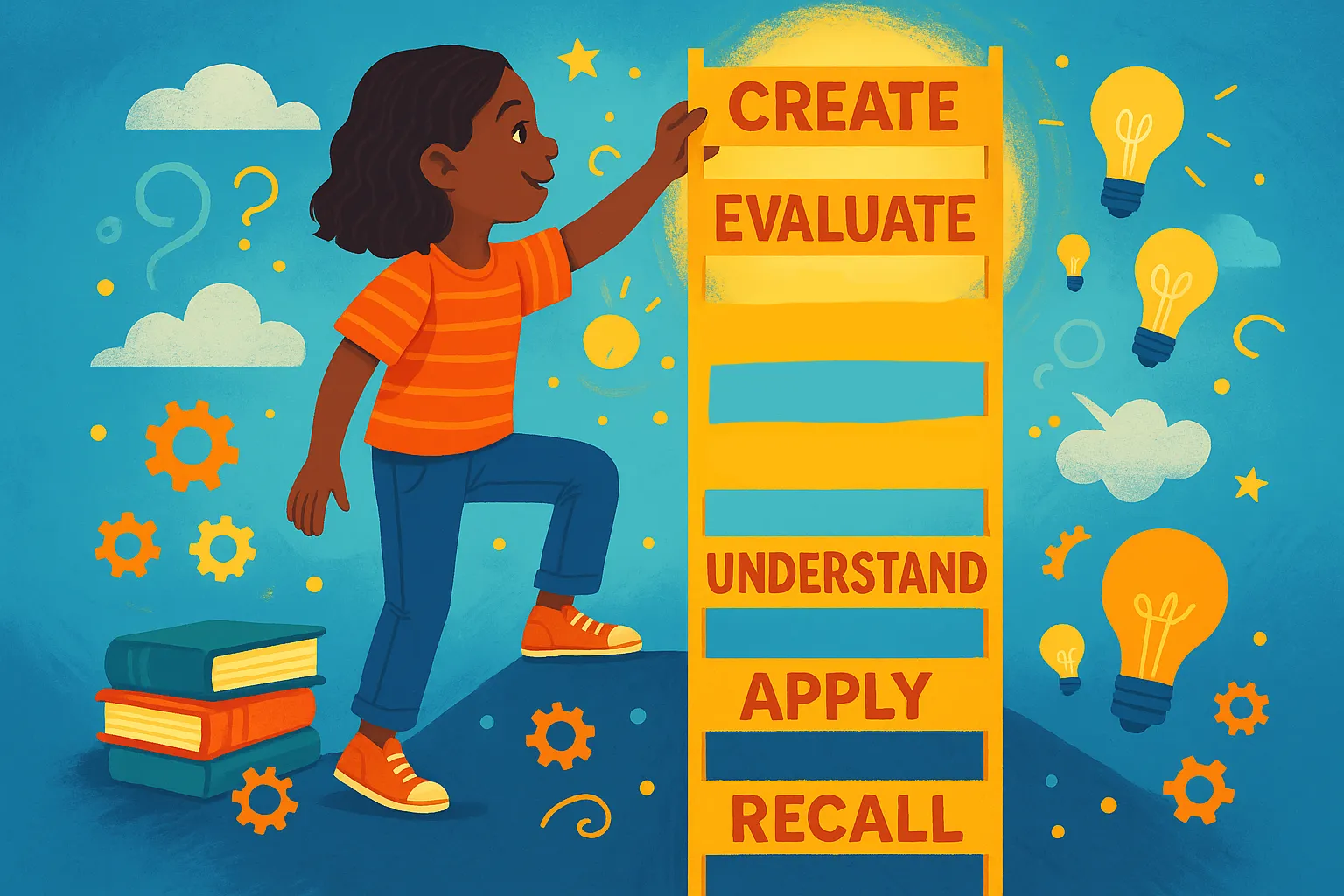
Critical thinking is a higher-order thinking skill that involves connecting the dots between concepts, solving problems, and applying knowledge in new ways. From language arts to science, critical thinking is a necessary skill, even beyond the classroom.
What does critical thinking look like? This process involves evaluating knowledge, applying it, and using those conclusions to make informed decisions and solve problems. As the world grows more complex, students need critical thinking to succeed. Whether voting in an election or applying for a new job, critical thinking should shape how we process information and make choices.
Creating a Supportive Learning Environment
Building critical thinking begins with the environment in which our students think. In a supportive learning environment, students feel free to ask questions, make mistakes, and seek a deeper understanding.
Start by encouraging students to question everything. Why did that character make that choice? Why is the grass green? How do clouds work? Beyond the questions themselves, strong critical thinkers need to know how to verify information. Discuss credibility and bias with students, then have them examine examples of both trusted content and misinformation. Read more about biases and how to overcome challenges to critical thinking here.
Use different forms of media to exercise critical thinking skills and determine the validity of information. Try books, videos, and, for older students, social media posts. Create a space for students to reflect on their ideas and emphasize the power of reflection.
Why Teaching Critical Thinking Matters
Critical thinking is more than a trendy buzzword tossed around during staff meetings. It helps students navigate the classroom and the world around them with confidence. With information and misinformation constantly flooding our minds, students need more than memorized facts. They need to ask good questions, weigh evidence, consider multiple perspectives, and come to their own thoughtful conclusions. Whether analyzing a historical event or deciding if the latest TikTok trend is actually safe, critical thinking will be a compass that guides their way.
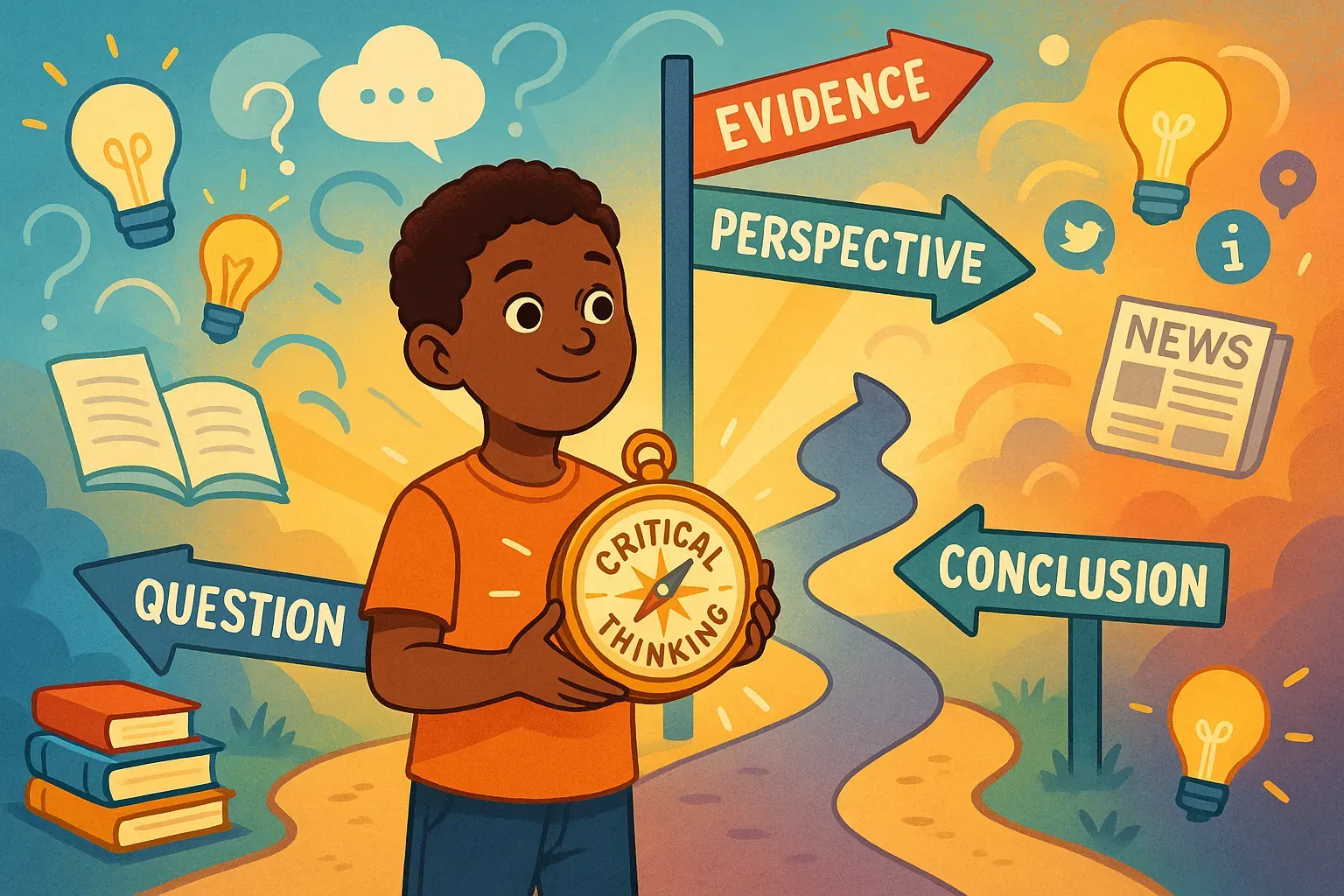
When we intentionally teach students how to think critically, we equip them to become better problem-solvers and decision-makers. That’s empowering, and it shifts student mindsets from “I don’t get it” to “I can figure this out.” When students realize they have the tools to think through challenges, whether academic or personal, it boosts their confidence and sense of agency. The point is for students to believe they can get there.
What Is Critical Thinking?
Stanford defines critical thinking as careful, goal-driven thinking that helps people decide what to believe and do based on proper evidence and reasoning. It means using logic and evidence to evaluate ideas and choices. The University of Louisville adds that critical thinking involves the cognitive skills for processing information and the dispositions that support rigorous inquiry, such as open-mindedness, intellectual humility, and a willingness to revise one’s thinking. So critical thinking is a mindset as well as a method for working through complexity, uncertainty, and different perspectives.
Key Benefits of Teaching Critical Thinking
Like we said, critical thinking is more than a buzzword. It has real benefits that you and your students will notice.
Critical thinking carries across all subjects. They’ll make unique connections between their science and social studies lessons, for example, that they may not have noticed otherwise. It also prepares students for higher education and real decisions in the real world. Through the development of these skills, students will approach problems and tasks with open-mindedness, empathy, and a greater respect for diverse perspectives.
Use Open-Ended Questions to Promote Deep Thinking
Yes or no questions have their place, such as “Is that how we’re supposed to sit in a chair?” or “Did you really just put glue in your hair?” But the questions that build critical thinking are open-ended and lead to discussion.
Try incorporating questions such as these into the classroom:
-
What would you do differently if you could redo today?
-
What would you do if you were in this character’s place? Why?
-
What is the most important idea you want someone who reads your essay to understand?
-
Can you solve this another way?
-
How is this connected to something you’ve seen before?
Use these questions in large-group or whole-class discussions to encourage multiple perspectives and evidence-based reasoning. These kinds of questions require students to support their ideas with facts and logic, which will strengthen their critical thinking as a result.
Incorporate Real-World Issues and Current Events
Another way to build critical thinking is by connecting learning to real-world problems and current events. When students engage with primary sources and age-appropriate news articles, they begin to see how the skills they’re learning in class apply in their everyday lives. Exposing students to a story about a local community issue, a historical event with modern parallels, or a scientific discovery will give them authentic material to examine. Guide students in their analysis: What is the author’s purpose? What evidence is being used? Is the source credible? These kinds of questions deepen students’ understanding and help them recognize bias, evaluate arguments, and think independently.
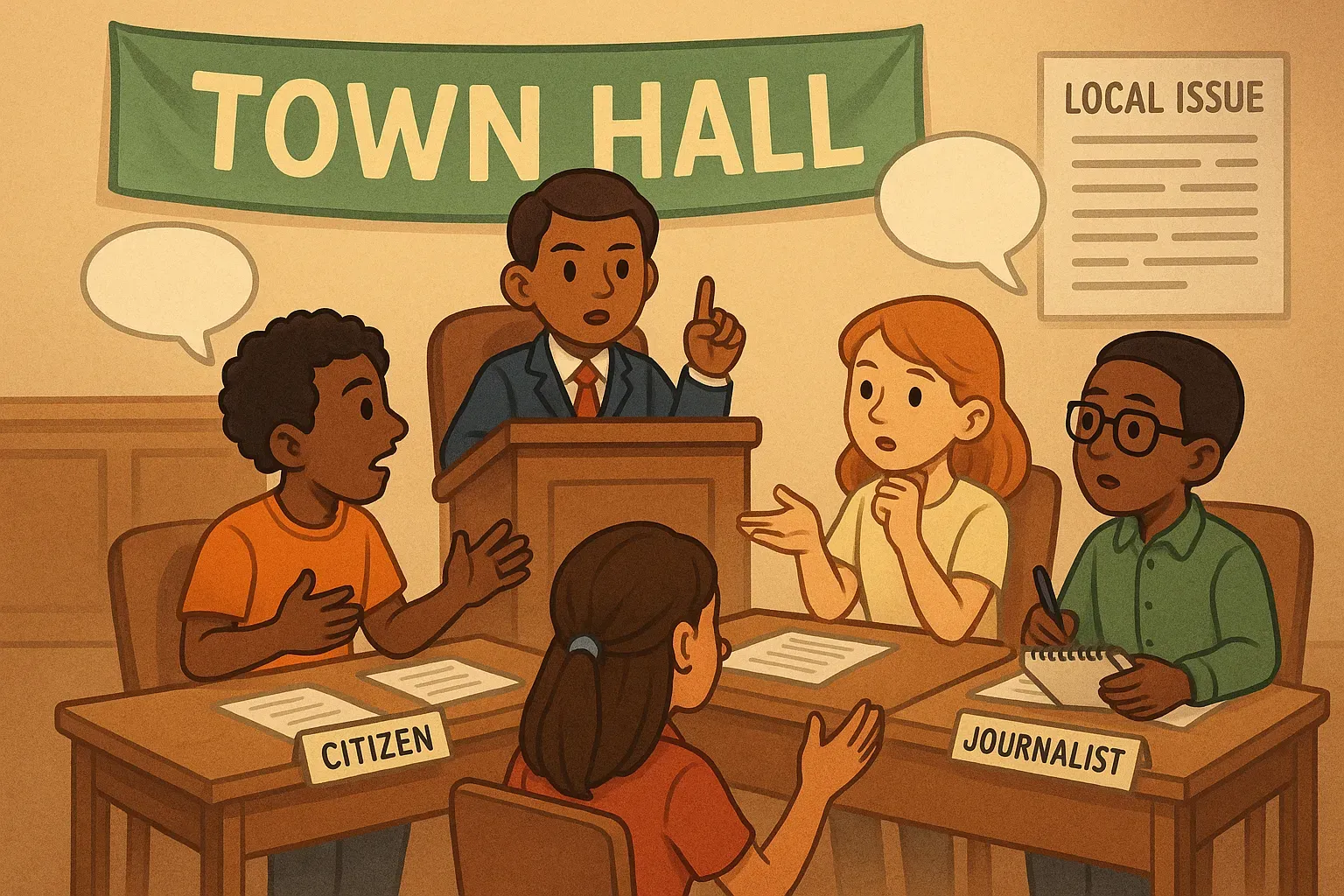
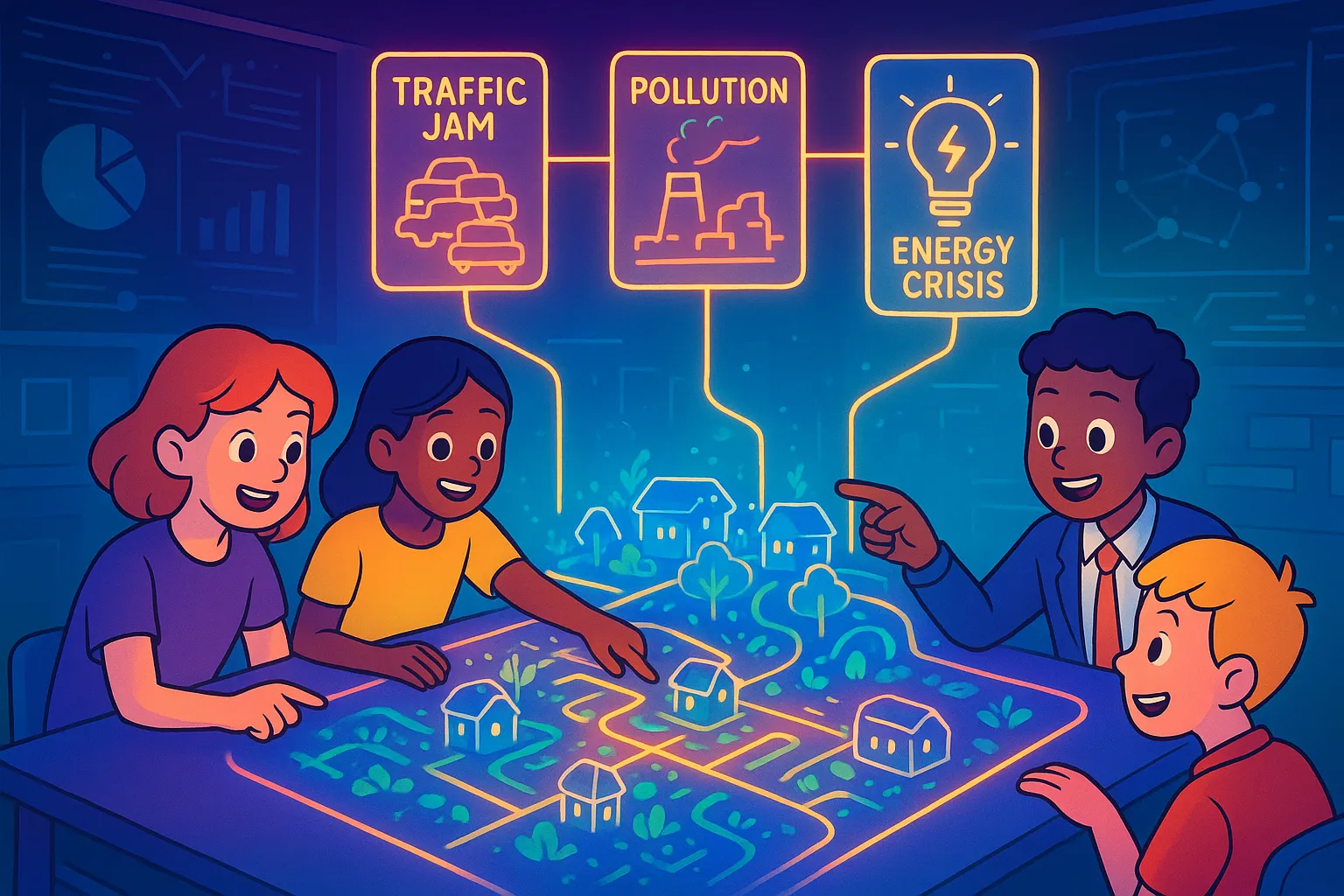
Beyond reading and discussing, students can also step into real-world roles. Simulations and role-play activities let them experience current events from multiple perspectives. For example, a classroom might hold a town hall to debate a community issue, or take on roles as scientists and reporters responding to a natural disaster. These activities build empathy and collaboration, and they challenge students to use reasoning, communication, and problem-solving skills. By grappling with real-life situations in a supportive environment, students learn to ask better questions, seek out reliable information, and make thoughtful decisions.
Teach Students to Evaluate Evidence and Sources
Incorporating real-world materials and examples will only be useful if students can successfully evaluate resources. Teach students to question, verify, and assess a resource’s credibility. Teach students how to distinguish facts from opinions.
When introducing new or different resources, students need an open mind. Help them see that new or unfamiliar information isn’t always wrong or bad. Sometimes it’s just different. Helping students to analyze evidence and engage their analytical skills will prepare them to think independently.
Use Critical Thinking Projects and Problem-Based Learning
Framing class curriculum around projects and problem-based learning will help students take the information out of a textbook and apply it to the real world.
Try collaborating with students to solve community issues, make designs, or evaluate historical decisions. Project-based learning challenges students to apply their critical thinking actively. They will learn to identify problems, propose solutions, and justify their decisions.
Read more about our ideas of how to incorporate project-based learning into your classroom here.
Model Critical Thinking as a Teacher
Actions speak louder than words, and a teacher’s actions have a great influence on the behavior of their students. Model critical thinking every day in order to encourage students to practice the same.
For example, when you’re teaching a new math concept, share your thinking out loud to show your thought process. Give students explicit instruction on how to analyze, evaluate, and reflect. When you demonstrate higher-order thinking in real-time, students will see how to do it themselves.
Integrate Critical Thinking Into All Subjects
We’ve recently been writing about integrating literacy into all elements of the classroom, and the same skills apply to integrating critical thinking into every subject. Encourage students to apply critical thinking across all content areas and transfer their skills to various contexts.
In science, critical thinking could look like testing a hypothesis. What is their hypothesis, and why do they think that? What do the results say? Critical thinking in math may be evaluating solutions or other ways to solve a problem. In language arts, students can think critically by closely analyzing the text: identifying main ideas, assessing the author’s intentions, and writing down questions as they read.
Tools and Resources for Teaching Critical Thinking
Equipping students with critical thinking skills doesn’t have to mean starting from scratch. There are several tools and resources to support students. Rubrics and checklists are great for making critical thinking visible and measurable. Help students understand what critical thinking looks like in practice, such as asking thoughtful questions, using evidence to support ideas, and considering multiple viewpoints. Teachers can co-create criteria with students or use pre-made rubrics to guide discussions, reflections, and peer feedback. When students know what’s expected, they can better track their growth and push themselves to think more deeply.
There are also many online resources that offer ready-to-use lessons and activities focused on critical thinking. Websites like Teaching Tolerance (now Learning for Justice), Newsela, CommonLit, and iCivics provide free, high-quality materials that challenge students to analyze texts, explore real-world issues, and form evidence-based opinions. These platforms often include leveled readings, guiding questions, and interactive features to support diverse students. In addition, tools like Padlet and Google Docs promote collaboration, allowing students to brainstorm, give feedback, and build shared projects in real time.
Final Thoughts: Empowering Students to Think Critically Every Day
Through projects, inquiry, real-world problems, and modeling, students can become star critical thinkers. This won’t come easily or overnight, but piece by piece, students will learn to look beyond the surface. Don’t be afraid to challenge students, either. Provide gentle encouragement while pushing them to think more and do more. When students are taught and guided in critical thinking, they will be equipped with a powerful tool for lifelong learning and success.