20 Activities That Build Human Skills (SEL Ideas That Actually Work)
Ryann Garland
How did you deal with hard days as a kid? There’s probably a range of answers here: screams, cries, naps, jumps of joy. Or, if you’re like me, you blasted Avril Lavigne and wrote in a glitter gel pen journal no one was allowed to read.
Some outlets work better than others. Maybe you went through an angsty phase of “it’s not a phase, mom” in middle school. Students today have more outlets than ever, and as a teacher you see the results every single day: the kid who shuts down when a problem gets hard, the group that falls apart at the first disagreement. Those are skills, and skills can be taught. That’s what I’m here to talk about today, along with twenty activities that build them.
What Is Social Emotional Learning?
Social emotional learning (SEL) is the name many schools use for a set of skills students need to work with other people and handle a challenge: knowing their own strengths, managing themselves when things get hard, seeing another person’s side, working well with others, and making sound decisions.
At Mission.io we call them human skills, and we’d rather name each one than file them under a label: collaboration, communication, critical thinking, resilience. They’re what students use to work through a hard problem with other people, in your class and long after it.
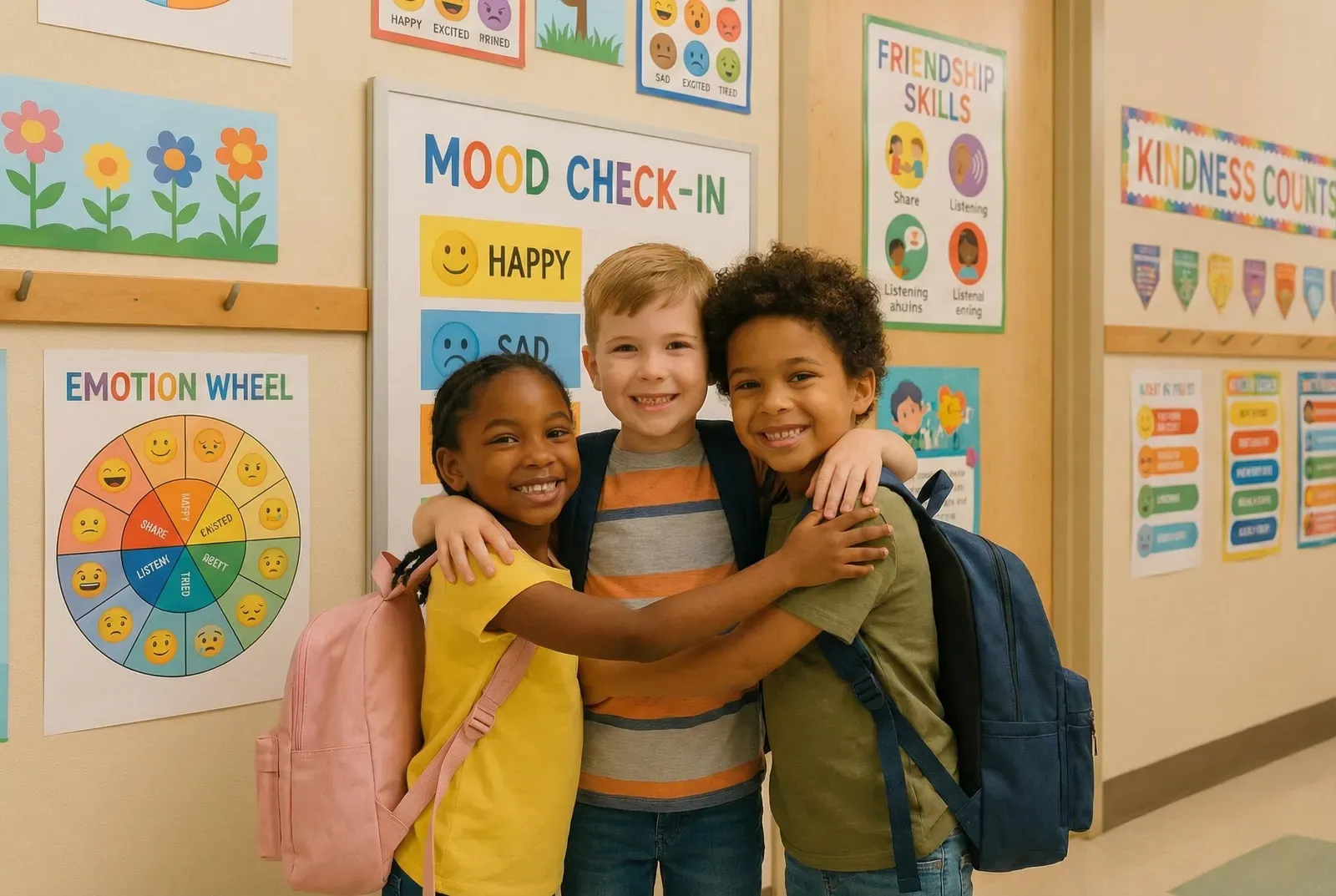
When students can work through a disagreement and make a good call, the classroom becomes a place for collaboration and problem solving. The same skills carry into how they work with teachers, classmates, future coworkers, and family.
It might sound like one more thing on your plate. Most of these activities fit inside routines you already have. Here are twenty to start with.
Why These Skills Matter
Decades ago, school was a lot about memorizing facts, names, and dates, and then dumping all that information out of your head at the end of the year. The facts still matter. Students also need to explain their thinking, listen to someone who disagrees, and keep going when the first try fails, and those take practice like anything else.
Building these skills helps students build stronger connections, now and in the future, and it supports academic performance too. Students do more than memorize the dates of the Revolutionary War or all the elements on the Periodic Table; they learn how to communicate, reflect, and collaborate in ways that carry beyond school.
How to Make These Skills Stick
Don’t expect students to master all of this in one fell swoop. Start small, with consistent practices that fit into your current routines. A quick check-in at the start of class, an exit ticket on a challenge they faced that day, or five minutes of reflective journaling all fit into a normal day. While doing these activities, give students the chance to lead. Let them ask questions, share their thoughts, and think freely.
These skills stick best when they’re part of the daily classroom experience instead of a separate lesson. You already use reflection, storytelling, and peer feedback, so it’s mostly a matter of asking the right question at the right time.
20 Activities Students Will Actually Use
Knowing Your Strengths
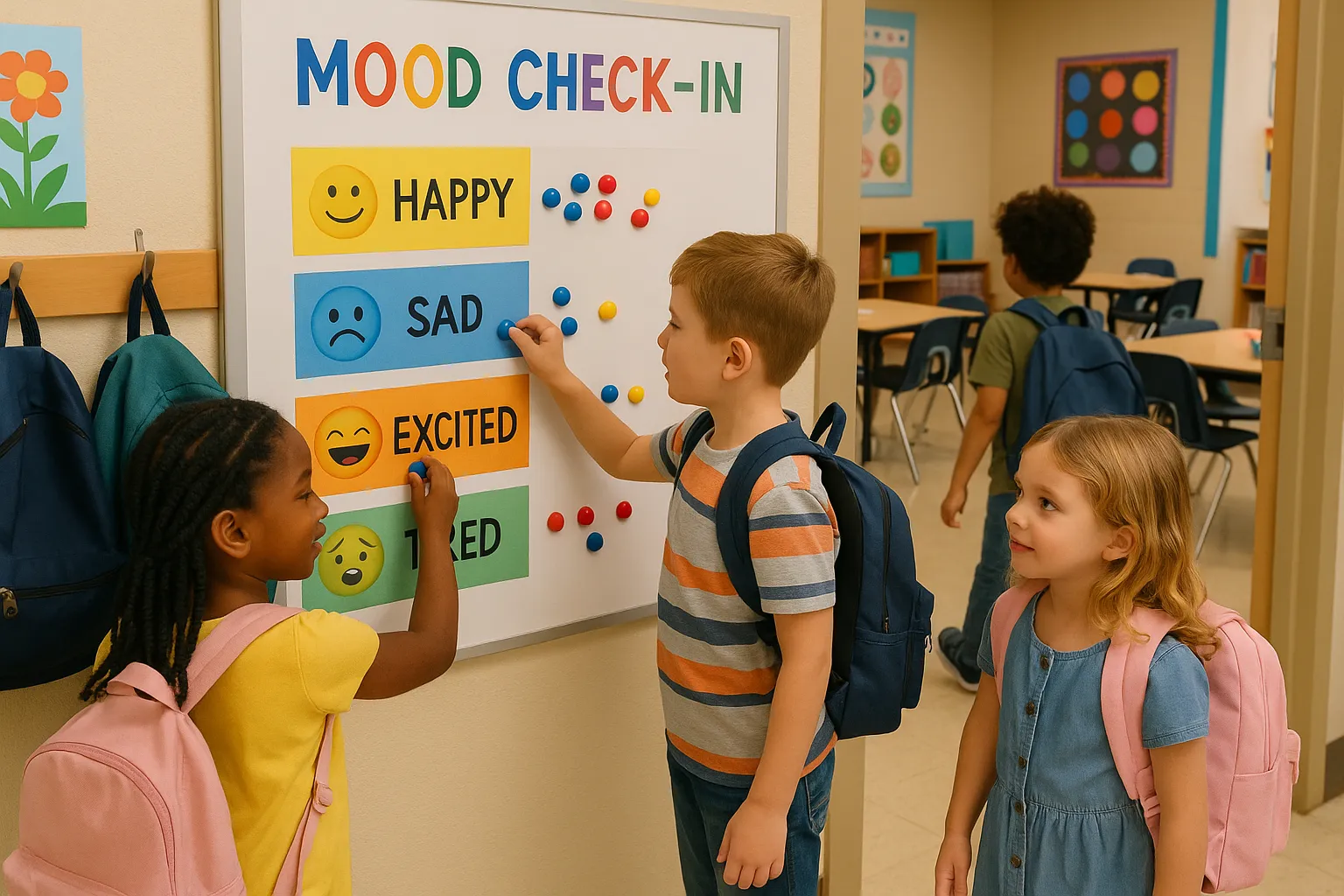
- Quick Check-In Ask students to describe how they’re showing up to class today using colors, emojis, or simple words. This quick routine builds the vocabulary to say what’s going on and gives you a read on the room before the lesson starts.
For older students: Try a digital check-in board or a journal (such as a Google Form) and review the anonymous answers for trends as a class. Add a reflective prompt: “What could get in your way today, and what will you do about it?”
- Superpower Reflection Have students identify a strength they bring to the classroom. Use their responses to kick off collaborative work or new challenges.
For older students: Shift to strengths and growth: ask them not only what they do well, but where they want to grow. They can set a micro-goal for the day or week.
- Draw Your Day Let students sketch how their day is going using lines, colors, or shapes. This is ideal for younger students or visual thinkers! If students are comfortable, encourage them to share their art with the class or a friend.
For older students: Offer more abstract art prompts (such as visualizing peer pressure as a landscape or a structure). Combine with a short analytical reflection: “What symbols did you choose and why?”
Staying Steady When It Gets Hard
- Reset Cards Each student creates a personal card with strategies they use to calm down, reset, or refocus. These can be shared with partners or kept private. Give students examples such as three deep breaths, counting to 10, reciting the ABCs, or listing what they’re grateful for.
For older students: Invite students to build a digital reset kit (images, audio clips, music, quotes) that they can revisit on their device or print out.
- Stress Toss Have students write a stressor on a crumpled paper ball and toss it into a bin. It seems simple and silly, and it’s surprisingly effective for letting go of tension. Give it a go yourself too!
For older students: Turn it into a “Toss & Plan.” They write the stressor, toss it or rip it up, then spend 30 seconds writing one next step they can take.
- Reset Spot Designate a part of your classroom where students can pause, breathe, and get back on track. Include prompts or tools they can use on their own.
For older students: Add noise-cancelling headphones or a few focus prompts they can scan via QR code.
Seeing Another Side
-
Perspective Poems Invite students to write from another person’s point of view. This could be a historical figure, a peer, or a fictional character. Writing from a new perspective lets students practice empathy.
-
This or That Discussions Use lighthearted questions (dogs or cats, city or country) to model respectful disagreement and listening. Students practice perspective-taking in a low-pressure setting.
-
Quote Walk Post quotes about kindness, fairness, or empathy around the room. Have students find their favorite quote from around the room and reflect silently or discuss with a partner.
Working Together
-
Circle Reflection Students sit in a circle and share an appreciation, apology, or new insight. It builds community and gives students practice speaking honestly and listening well. Encourage students to point out strengths they notice in one another, too. That habit is how strong working relationships start.
-
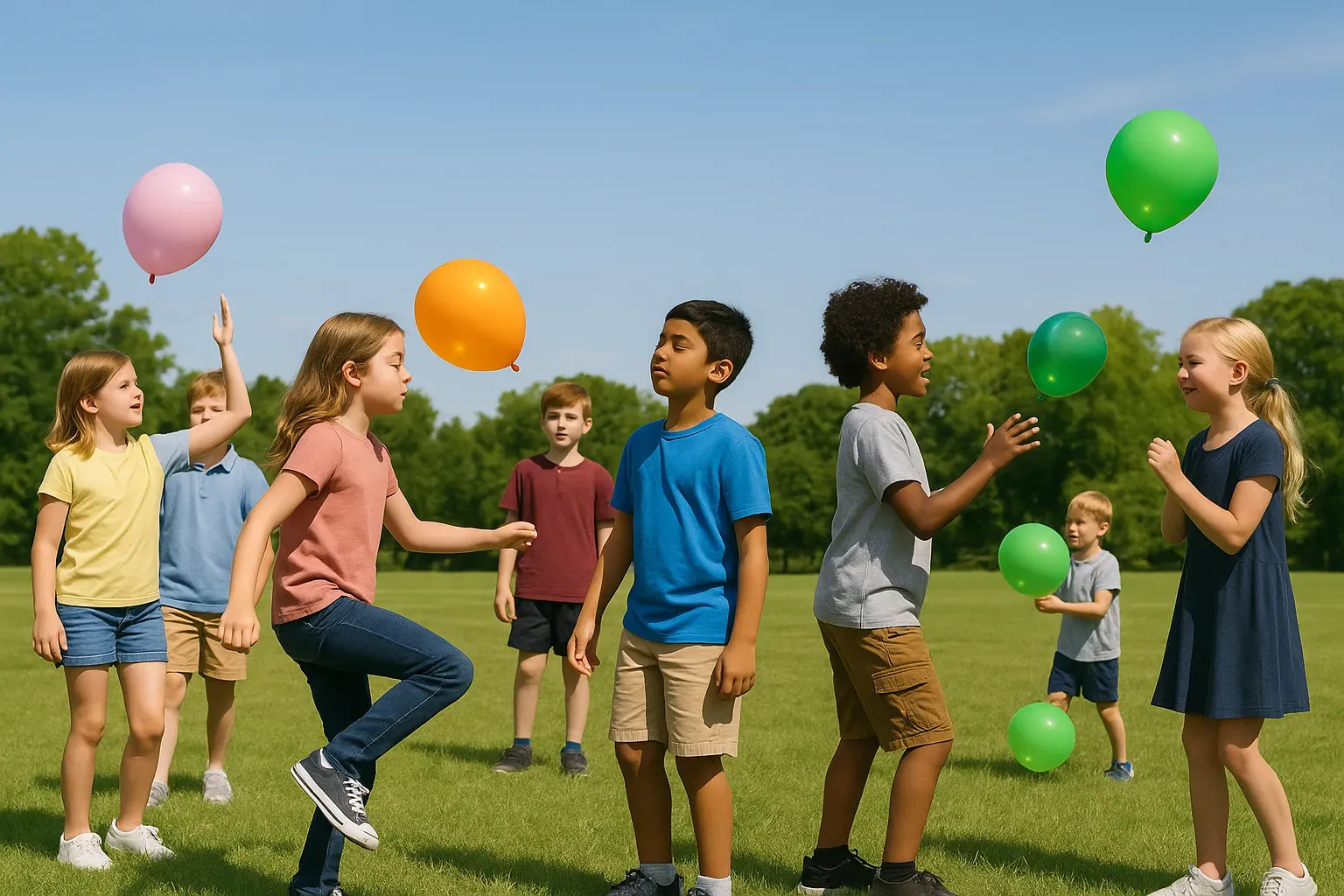
Team Balloon Challenge Group activities are a great chance for students to practice working as a team. Put students into small groups that have to keep a balloon in the air using specific rules. Try things like only using their left hand, standing on one leg, eyes closed, no talking, etc. After each round, they debrief on what worked, what didn’t, and how communication played a role.
For older students: Scale up the challenge: add design constraints or roles (“engineer,” “communicator”) and ask them to put together a short debrief presentation.
-
Peer Introductions Connecting with others is a skill like any other. Pair students together to ask a few deeper get-to-know-you questions. Help them think beyond things like their favorite color. These deeper connections build trust and encourage active listening.
-
Classroom Agreements Collaborate on a shared list of values and expectations. Return to it throughout the year as a reminder of how the class agreed to treat one another. When students help build the classroom culture, they’re more committed to keeping it a good place to learn!
For older students: Use a digital “Agreement Charter.” They draft it in groups, revise based on class feedback, and sign it as a collective. Revisit quarterly to reflect and adjust.
Making Good Calls
- Scenario Challenges Present short, relatable dilemmas and ask students to discuss their options and explain their choices. Use real-world or fictional examples. Consider examples such as these, adjusted for the age of your class:
-
“You’re in a group project, and one teammate isn’t doing their part. The deadline is approaching. Do you tell the teacher, confront the teammate, or do the extra work yourself?”
-
“Your friend is planning to skip school and wants you to come. You don’t want to get in trouble, but don’t want to upset your friend either.”
-
“You wake up and you’re invisible for one day. What do you do? What would be wrong or right in that situation?”
- Mission Reflection Logs After a classroom Mission or other group task, ask students to write about how they made decisions, handled conflict, and worked with others.
For older students: Turn it into a structured reflection: “What did I contribute or disrupt? What would I do differently next time? How did I keep my cool when we disagreed?”
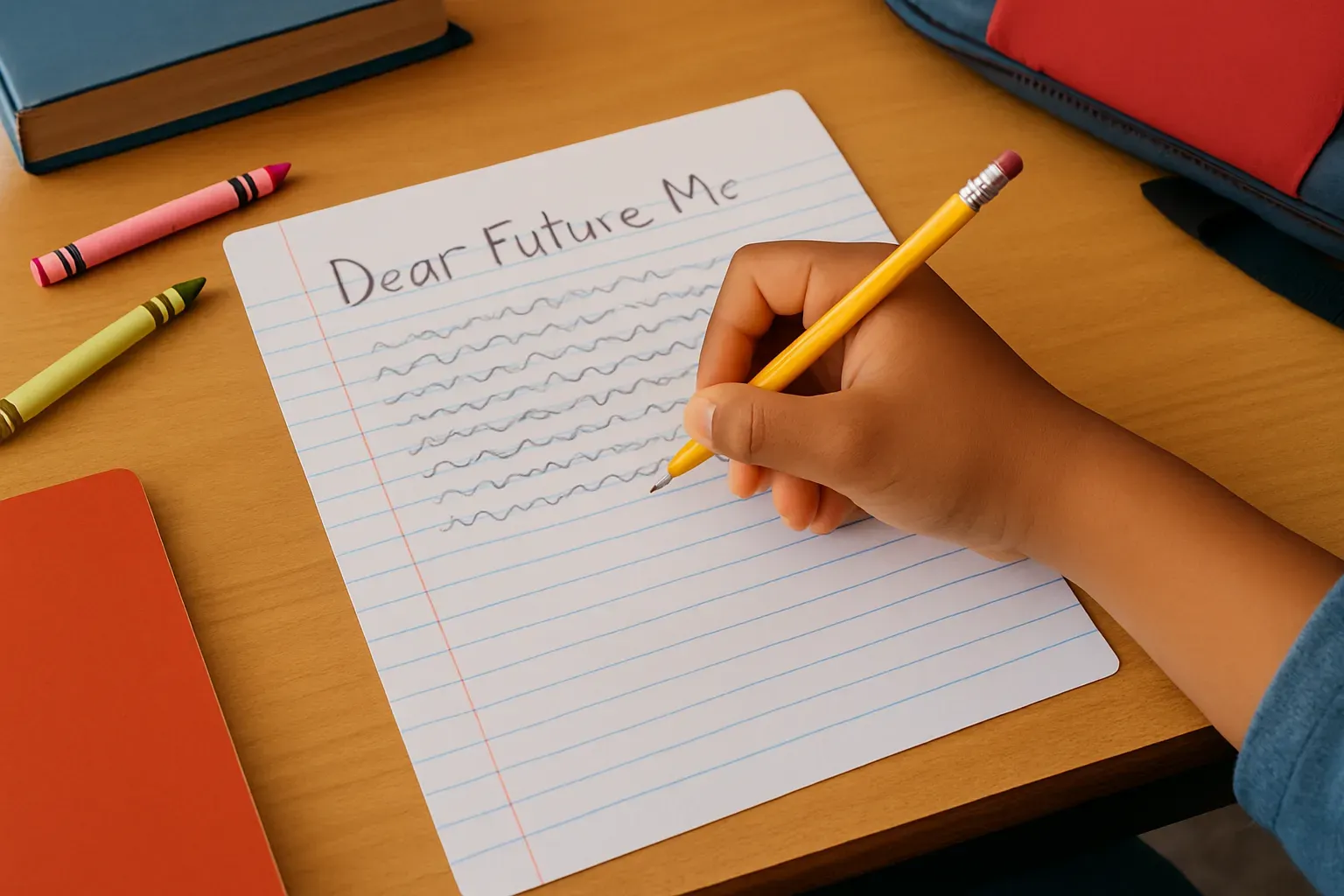
- Future Me Letters Have students write a letter to their future self about a tough decision they made and what they learned. Letter writing like this builds reflection and goal setting.
Bonus: Multi-Skill Activities
- Kindness Bingo Create a bingo board filled with kind actions students can do throughout the week. They’ll work on empathy, communication, and initiative all at once. When students get a bingo or a blackout, help them reflect on what they learned from it.
For older students: Include deeper tasks like “listen to someone who disagrees with me” or “offer help without being asked.” Debrief in a reflective journal or short presentation.
-
Challenge Stories Help students build short stories around challenges they’ve faced or decisions they’ve made. Share in small groups to build connections among students.
-
Positive Graffiti Wall Create a simple bulletin board where students leave anonymous compliments for classmates. It builds community over time! Add a few positive affirmations the class can refer to often.
-
Mission.io Debrief Circles After completing a Mission.io challenge, gather students to talk through what worked, where the team got stuck, and what they learned. It ties teamwork and reflection straight to the academic work they just did.
For older students: Facilitate a structured protocol: “What? So what? Now what?” after each debrief. Ask them to set one personal and one team improvement goal based on that session.
Building These Skills Into Everyday Learning
Beyond planned activities, there are plenty of simple ways to practice these skills every day. Consistent routines like check-ins and exit tickets keep students practicing self-awareness. Show students you notice their growth, too. Give feedback beyond academic results: “You handled that conflict very maturely today” or “Thank you for being kind to James when you saw he was alone at lunch today” or “You brought a lot of positivity to our activity today, and I saw how that helped everyone else have a good time too.”
Moments like these happen every day: group work, conflicts, unexpected resolution. All students need is a chance to recognize it and reflect. In a Mission, those moments come up on their own, because nobody gets through it alone. And every student gets a report on how well they did, so you can see who’s building which skills.
Wrapping It Up
Every subject matters, but these skills shape how students approach every challenge they meet, in your class and beyond it. Look for small moments to practice them, and they add up.
When skill-building is part of the learning itself, students take on hard problems with more confidence, work together with more kindness, and bring more energy to the work.