Top Ways to Build Relationships With Students
Ryann Garland
Who were some of your *best *teachers? Not just the ones who knew their stuff, but the ones who knew *you. *Who were the teachers who saw you for you and truly helped you succeed?
I know you can think of a few, and I’ll tell you some of mine. In first grade, Mr. Hansel noticed my love for writing and started to set aside chapter books for me to read (which felt very advanced at the time). In sixth grade, Mrs. Mills talked to me one-on-one about my life and my interests and pushed me to be a better writer. My sophomore history teacher, Mr. Marano, had so much passion for studying history that I actually started to love it myself, and he praised me for my growing interest. I could go on and on about the teachers I’ve known and loved.
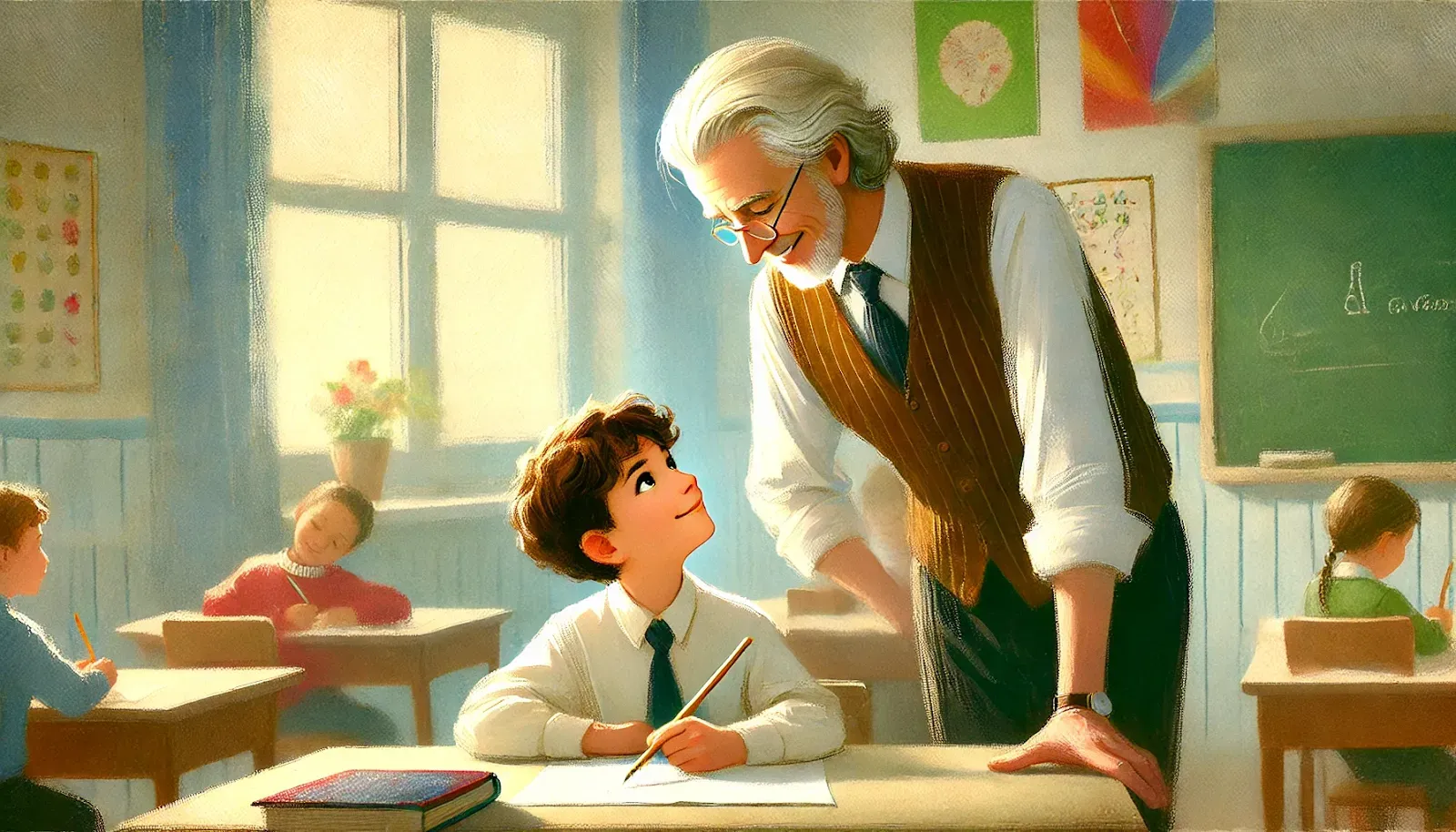
These strong teacher-student relationships formed who I am as a person. I don’t think I would have pursued an English degree if it hadn’t started with Mr. Hansel praising my writing skills in elementary school. A strong relationship with a student is more than friendship. It’s what a successful learning environment is built on.
Building student relationships is proven to help boost student engagement, increase test scores, and encourage greater effort in classwork.
Here are a few more benefits, and some ways to build relationships with your students.
Why Positive Relationships Matter in Education
Positive relationships with students raise student achievement and engagement. When students feel valued and cared for by a teacher, they are more likely to actively engage in the learning process and take hold of the material. A positive, supportive learning environment makes students curious and gives them a space where they’re comfortable asking questions, failing, and trying again.
As a bonus, research from the University of Michigan shows that teachers also perform better when they have positive relationships with students. Teachers who have strong student relationships are more competent in skills such as kindness, compassion, and caring for others. This social awareness helps you as the teacher better recognize the unique needs of your students. It also helps them feel comfortable to share their successes and failures with you in their learning. Students who can find growth in their successes *and *their failures are set up to become strong students and leaders.
And that road to success begins with you.

The Role of Relationship Building in Student Success
The American Psychological Association recently reported that students with close and supportive relationships with teachers have higher academic performance and achievement than students who often conflict with teachers. Strong student-teacher relationships create space for students to receive more constructive guidance and praise from teachers. When students have a positive relationship with the teacher, they trust feedback and actually apply it, which helps them do better academically. The American Psychological Association reported that for K-8 students, those who conflicted with their teachers had poorer math and language arts skills when compared to students who had good relationships.
We don’t know everything that a student is going through at home, with friends, or in their head. But we can help them feel valued. When a teacher makes a student feel heard, the student will start to recognize their own inherent worth and potential. One-on-one relationships add up to a classroom community where students feel comfortable sharing their ideas, collaborating, failing, trying again, and growing.
Ways to Build Positive Relationships with Students
Where do we even begin with strengthening student relationships?
The American Psychological Association gives a few tips that will take you from a passive teacher to an active one:
-
*Show your enjoyment of students. *Some of my worst teachers were the ones that made me think: “Why are they even teaching if they hate students so much?” A teacher who doesn’t appear to respect or like their students won’t get many results in return. Tell your students you enjoy being with them. Tell them *why *you’re teaching. Explain your passion for the subject or grade you teach. Show them that you’re excited to learn with them today.
-
*Be positive and respectful. *It’s a two-way street, folks. As mentioned above, if you want positivity and respect from your students, you need to give it out. You set the tone of the classroom environment each day.
-
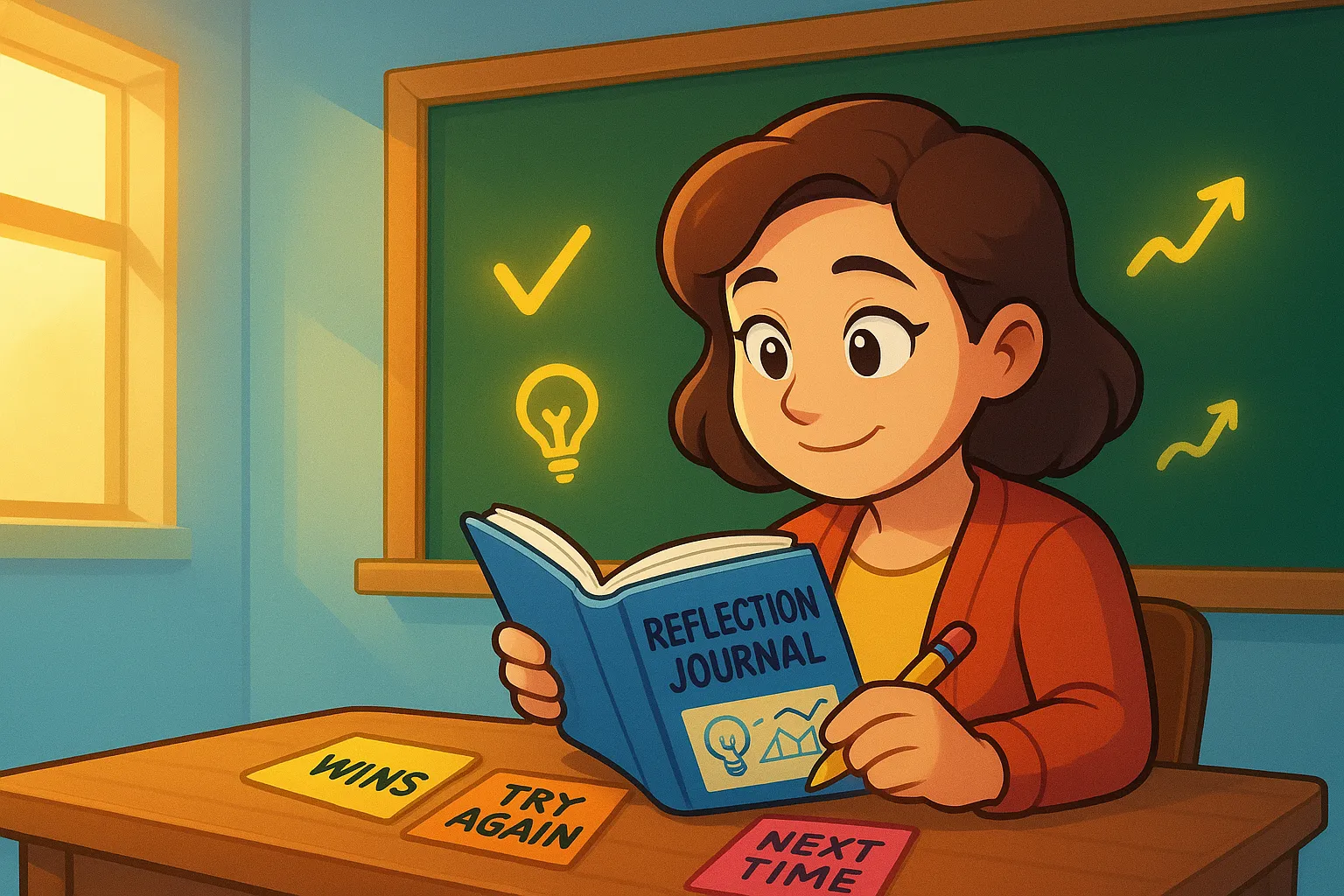
*Help students reflect on their growth. *Point out your students’ strengths. Let them know you see the positive contributions they’re making to the classroom. Give them opportunities to reflect on the ways they’ve grown and changed. Consider doing this as a reflective question at the end of an exam or wrapping up a unit by having students turn in an exit slip with their biggest takeaway from the last few weeks.
-
Avoid showing irritability and aggravation towards students. There’s a difference between being an authority figure and being unnecessarily harsh. From my experience, youth are more likely to rebel when the authority figure tries to have a death grip on them or gets easily irritated at their actions. Save your frustrated rants for the end of the day when chatting with a friend or your partner.
Establishing a Positive Classroom Environment
Creating a positive classroom environment begins with your classroom structure. Have clear and consistent rules and routines from day to day. Consistency helps students feel comfortable in the classroom because they’ll know what to expect and look forward to. However, find the balance here between structure and flexibility: be open to student feedback on adjustments to make or how to do things a little differently. Hearing out student suggestions is a great way to show them you value their contributions to the classroom culture.
As you work with students to create meaningful relationships and a classroom community, show your belief in them to succeed. Set high expectations that will stretch them. It’s a fine balance that you’ll learn over time. Students may resist at first, but pushing them out of their comfort zone and into the growth zone is where you’ll see the most success. Realistic but stretching expectations will put students in a place where they can find their purpose and realize their aspirations.
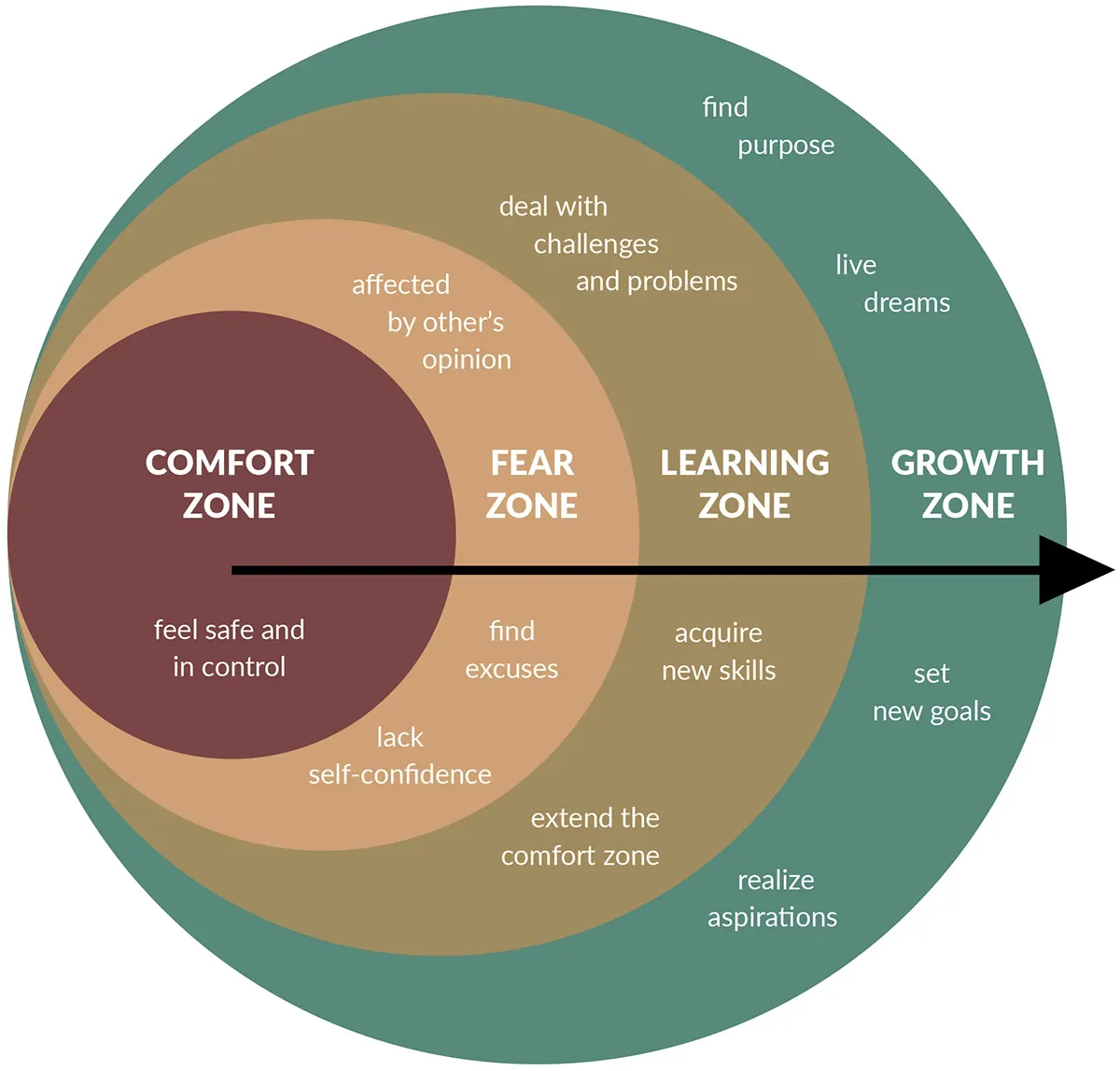
As you work to push students to be their best, make sure the parameters of success are clear. Be clear about your expectations and what a successful result looks like (a good essay, a well-written conclusion to a science experiment, etc.). When students miss the mark, assume they tried their best rather than assuming a lack of effort. Ask them to explain their thinking to you so you can identify any disconnect they may have with the material. Be patient as you push students into the growth zone. It’s a new experience for them, and we want them to see growth as a joyful thing, not something to be avoided.
Using Meaningful Feedback to Strengthen Connections
The worst feeling is knowing you could do better but not knowing where to begin. Students shouldn’t feel like their road to improvement is a jumbled and confusing mess with signs pointing every which way. Give students feedback that is clear, thought-out, and specific. For example, bad feedback could be “You need to pay more attention so you’re not so bad at long division.” This leaves students feeling incapable and unsure how to move forward.
More effective feedback may be: “I noticed your long division homework answers aren’t always correct. Let’s try going over it step by step together. Start by double-checking your subtraction at each step.” This feedback gives students a specific goal to work on (i.e., doing long division correctly) while providing steps to help them get there (checking their subtraction). Personalized and specific feedback helps students feel noticed and appreciated. It shows your students that you care about their individual progress.
Building Relationships with Middle and High School Students
Do you remember what Middle and High School was like? Unfortunately, I do too. Think about the challenges you might have experienced: your first crush on a classmate, identity crisis, not feeling popular, *braces. *The challenges are endless. Toss in the complications of social media and technology today, and today’s students deserve real credit for what they deal with.
Students are experiencing so many diverse challenges, both in and out of school, that it can be hard to build a relationship. In a lot of cases, the last thing a student is thinking about is if they’re good friends with their biology or history teacher. So how do we build relationships with rebellious, insecure, eccentric, or older students?
First of all, remember that all great relationships take time. Your devotion and effort to helping your students feel seen will improve day by day, as long as you are willing to be patient. There are a few other things you can do beyond patience to build meaningful relationships with your middle school and high school students.
Try your best to *listen. *Truly listen, not just head-nodding in-one-ear listening. Listen deeply by expressing empathy and showing you’re engaged by your body language (turn towards them, look them in the eye, etc.). A classroom where students feel really heard, whether they’re answering a question, asking about an assignment, or telling a story from their personal life, is where positive relationships grow.
After listening, take an interest in the lives of your students. How did their basketball tryouts go? Are they thinking of trying out for the next school play? What do they like to do for fun? These can be verbal conversations with students, or you can offer these questions as a short writing assignment for students who are more shy. When students share about themselves, do so in return. Tell them about your epic fail in the state basketball final. Share an anecdote about your first time joining your high school’s theater department. Show them that you’re a person too.
Relationship Building for Elementary and Preschool Teachers
Although the lives and problems of elementary and preschool students may seem less complex, they deserve just as much attention and relationship-building as older students.
Elementary teachers, especially kindergarten teachers, are key to helping students bridge the gap between home and school. You are a tool for emotional support as young children are first learning the ins-and-outs of academic and social experiences. The attitude you cultivate towards learning will have a lasting impact on students as they progress through academics.
When classroom environments are engaging and fun, students associate those same feelings with learning itself. Build group activities into your lesson plans to help students build friendships with one another and practice collaboration. When teams succeed, celebrate their successes (big or small). When teams miss the mark, show them that it is an opportunity to regroup and try again.
Here are some of our top ways to build relationships with younger students:
-
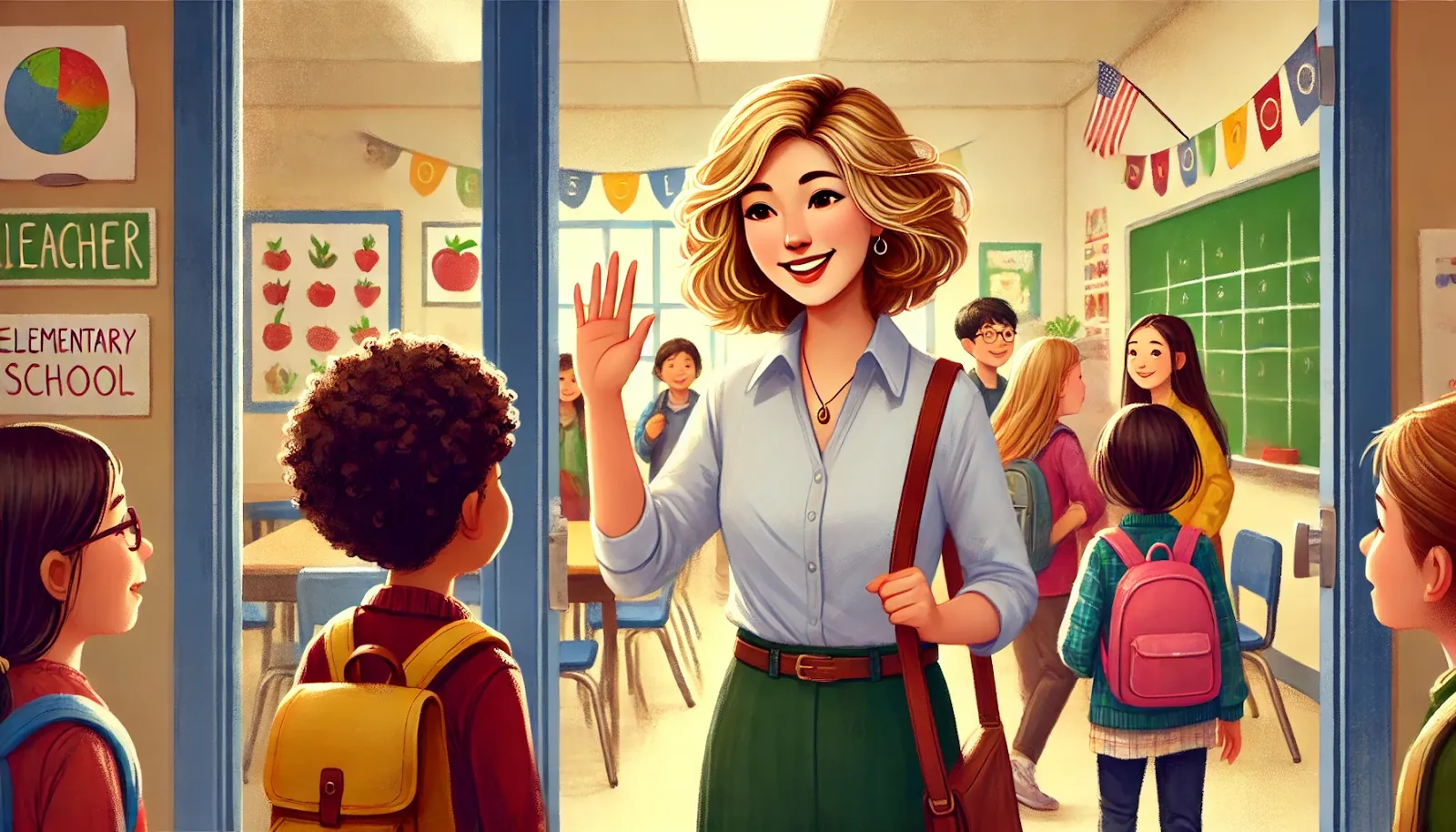
*Greet them at the door. *Welcome students to class by name. Let them know you’re excited they’re there today. Compliment them, welcome them, or get them set up with the day’s warm-up activity.
-
*Use community circles. *Bring students together for a question of the day. Let them know that all their answers and ideas are valued. Start with low-risk questions before getting to the bigger question.
-
*Get on their level. *When helping students at their desks or talking to them in the classroom, kneel or crouch down to create better eye contact and a sense of trust.
Encouraging Student Participation and Engagement
Student participation is one of the best ways for students to learn. Create a classroom community where students feel comfortable sharing their ideas and receiving feedback from their peers. Early in the school year, make it clear that the classroom is a place of learning, and that means all ideas and questions are welcome. Call on students who raise their hands often, but also call on quieter students to encourage them to share their thoughts and speak up.
As the classroom grows into a place of collaboration, students will feel more motivated, for their own sake and for the sake of the classroom community. To make assignments more interesting, work in your students’ interests: sports, a video game, book characters, or a recent movie. When students see pieces of their interests in an assignment (an essay prompt, a math problem, a science experiment scenario) they’ll be even more excited to get work done.
Conclusion
Strong relationships set students up to succeed. Students who have a relationship of trust with their teachers are more likely to put effort into their school work and succeed academically.
Take the dive today. Build relationships, and the learning will follow.
Share about your experiences with these ideas on Instagram, X, and Facebook by using the hashtag #MissionioConnect