Classroom Management: Foster Agency & Belonging
Grace Balena
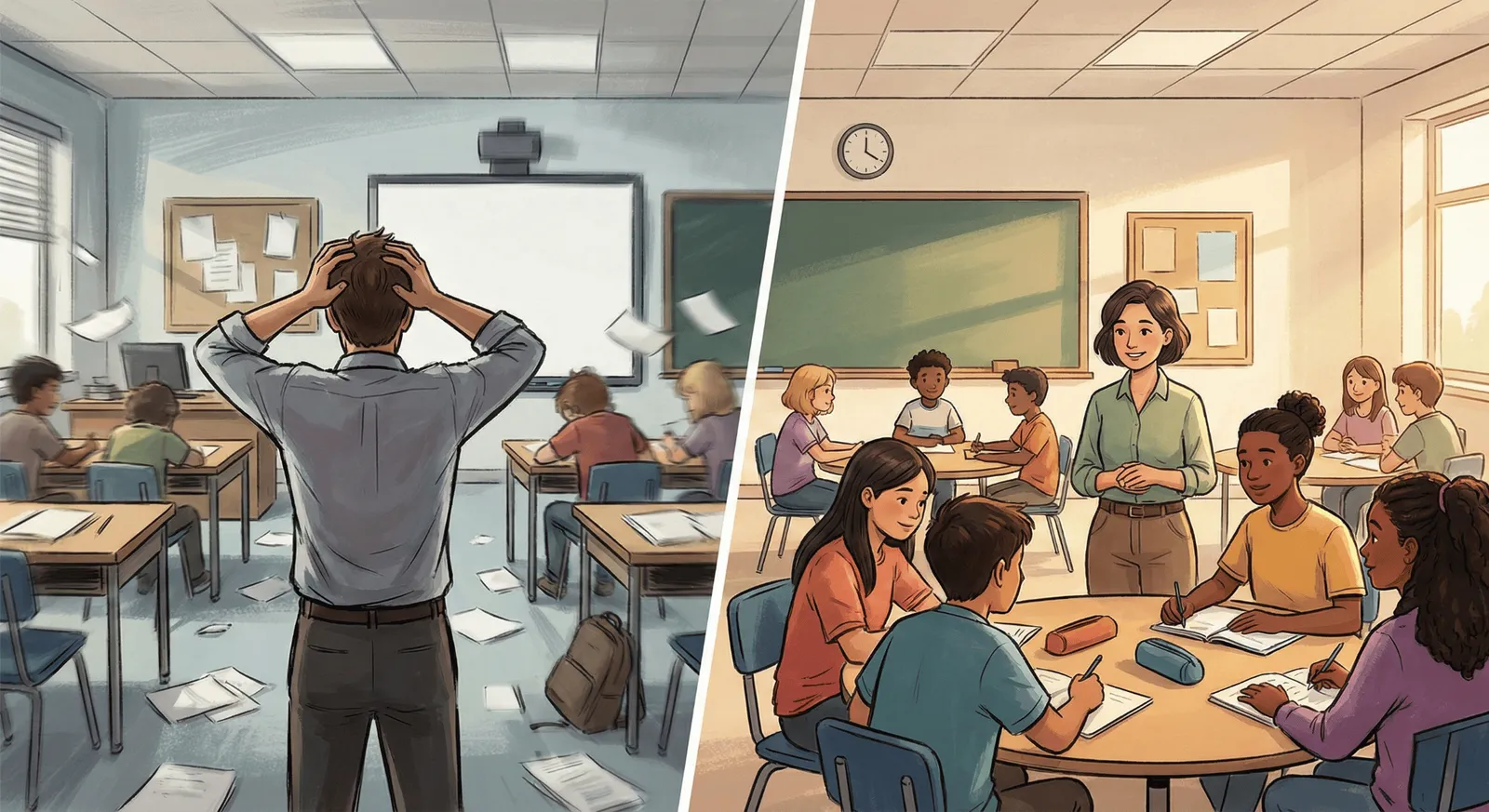
As a teacher, sometimes it feels like you’re a full-time zookeeper trying to teach fish grammar and dogs geology. Every day it’s something new. Students would rather yell, spit, fight, laugh, run, or play games on their devices. They seem to want to do anything but listen.
Disruptive students have the power to derail your lesson in minutes. It feels like no amount of pleading, patience, or instruction could ever make students behave. Poor behavior isn’t unique to new or inexperienced teachers. If you feel like you are never in control, you aren’t alone. Every teacher has dealt with disruptive behavior and found ways to manage it.
Classroom management is the missing link between a zoo and a healthy learning community. It’s how you build a room where students can learn and engage deeply.
Rethinking Classroom Management
Classroom management is often seen as little more than a way to suppress noise and force compliance, but it covers far more than preventing poor behavior. To get the peace and harmony every teacher so desperately wants, you have to create the conditions for learning, student agency, and relational trust. Perfect teaching is wasted without good management, and management without care only produces compliance. Teaching and classroom management work hand in hand to help students learn and behave well.
Effective teaching requires balance. It requires consistent, positive interactions that reassure students. If you neglect relationships and classroom climate, you risk alienating students. Instead of diving headfirst into punishments and discipline, consider restorative, preventative measures.
Below is a plan built on equity, engagement, and habits you can sustain. Kiss your zookeeper days goodbye!
Foundational Principles
These principles sit under every well-managed classroom. You can apply these to any classroom, whether elementary, middle, or high school.
Proactive Over Reactive
The most effective classroom management strategies are proactive. Actively anticipate needs, transitions, and friction. If you wait until disruptive behavior occurs, you are already behind. When you think ahead, you won’t be caught off guard, and you can prevent most behavior issues before they begin.
Relationships First
Put the most weight on trust, care, and understanding between you and your students. Students connect with teachers who show they care. When students feel safe and appreciated, they’ll work with you more readily. Classroom culture depends almost entirely on the foundational relationships formed between teachers and students.
Student Voice & Agency
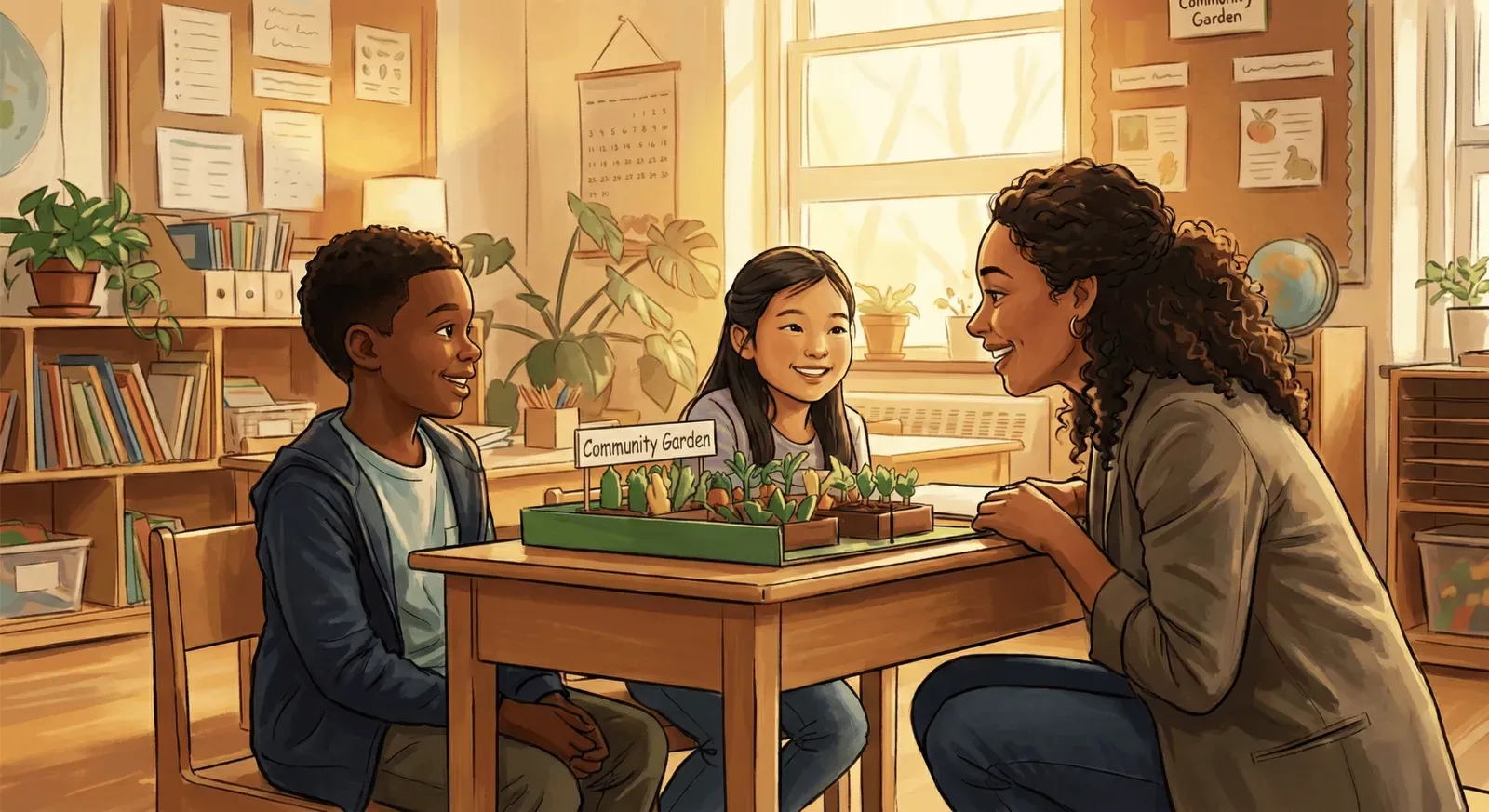
When students feel that they’ve created the rules, they’re more willing to comply (even if you had a strong influence on the kinds of rules they created). Make your classroom norms co-designed and co-owned by everyone in the classroom. This democratic approach encourages students to take ownership of their behavior.
Clear Structure
Establish routines and predictable systems for your classroom. Structure provides safety. When students know what to expect, they worry less, and they are more emotionally regulated and ready to learn. You still need some room to flex for your students’ needs, but structure makes teaching easier and gives you peace of mind.
Equity & Inclusivity
As always, make sure to pay close attention to diverse and neurodivergent students through culturally responsive practices. Effective classroom management is inclusive and recognizes that sometimes off-task behavior is not rebellion or defiance, but signals a learning gap.
Core Domains of Management (and What to Focus On)
Here are categories of classroom management, each paired with specific advice to streamline your teaching and manage disruptive behavior.
Environment & Design
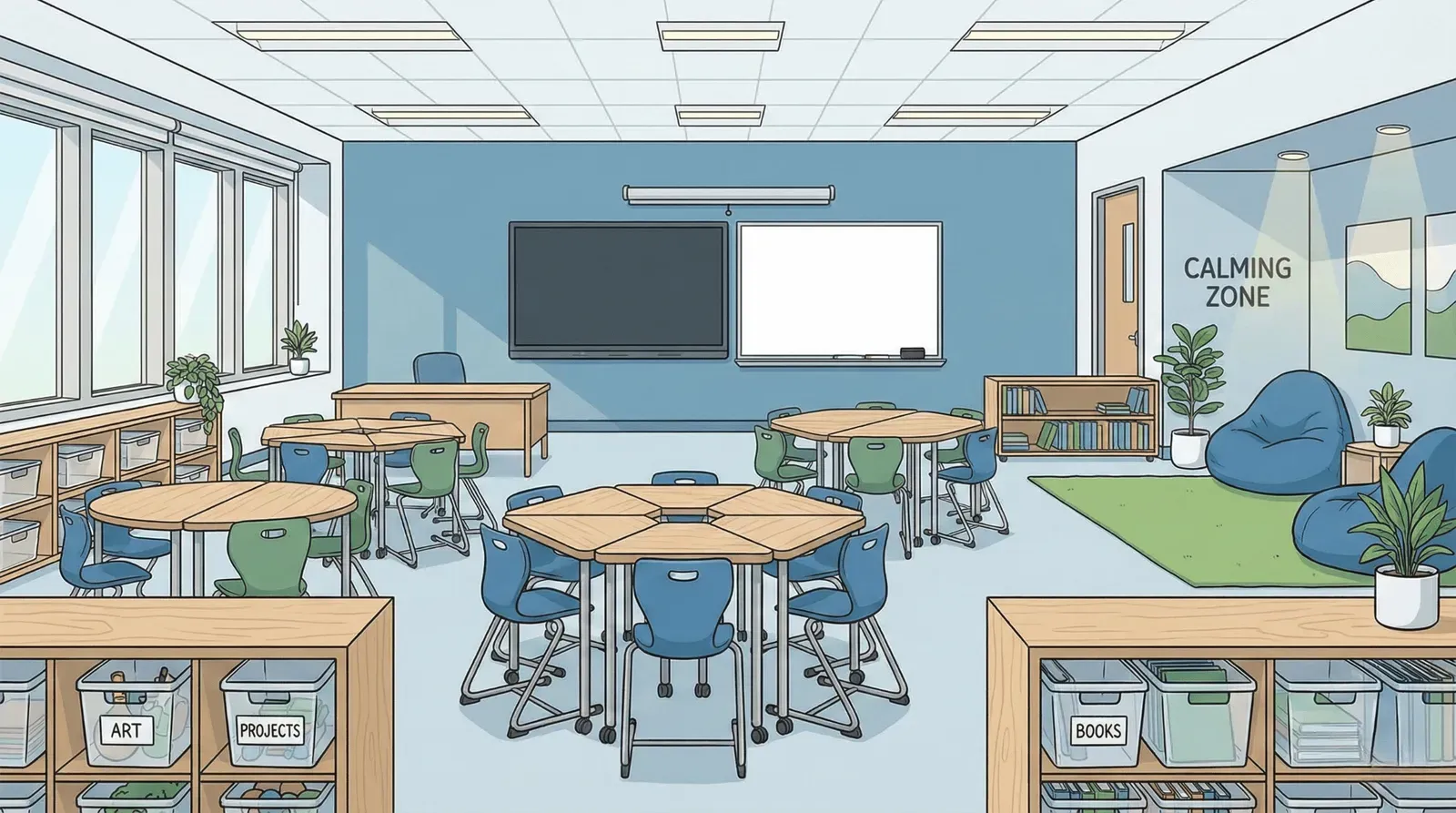
Your classroom management begins with the physical layout of the room. Arrange desks and seating so each student has a clear view of the front, and make sure to place students accordingly: disruptive students in plain sight, easily distracted students near the front, best friends far apart… you know the drill.
Try to anticipate the traffic flow between desks and tables. Make sure students can easily access extra paper and supplies without blocking the board. Don’t force them to navigate a maze of desks just to get a pencil. It helps to clearly label drawers and boxes, and make sure students understand how everything is organized so they keep it neat and tidy.
Print out helpful visual cues reminding students to be quiet when someone else is speaking, to line up at the door, to write their name on their work. The possibilities are endless, and we’d bet you already have a few helpful posters in your classroom right now.
You could even try creating a “calming zone” where students can go to self-regulate their emotions. This could be as simple as a beanbag and a puzzle in the corner of your classroom. Include quiet, soothing activities and reminders, and maybe a timer or hourglass to regulate how long students take a break for.
Routines, Procedures, & Transitions
Make sure to teach, model, and rehearse routines explicitly. When students feel unsure and make the best guess they can, everyone ends up frustrated. If students misbehave in a vague environment with unclear rules, they might not know they are doing wrong. When you are clear about your expectations, they will be aware of their mistakes and more likely to understand their responsibility.
Transition smoothly between activities and lessons. Incorporating regular cues (maybe a clap, or call-and-response), countdowns, and brain breaks throughout the day can put students at ease and contribute to better classroom management.
Proactively anticipate high-risk moments. Starting, ending, and switching between tasks are all times to be on high alert to prevent problems before they arise. Opening class is a critical time, as are the final few moments before dismissal. Moving between group and independent work is another point of friction. Instructional time is precious, so handle each transition with care.
Norms, Agreements, & Accountability
Try co-creating classroom norms through a collaborative, whole-class approach. Ask students to explain and offer their own rules for classroom behavior. Your students will feel heard and appreciated, and you can print out or post the list somewhere in the classroom to encourage better behavior.
Establish restorative language and repair practices. Invite students to communicate in ways that display maturity. Model good behavior for them. Instead of strong language like, “Can you be quiet? You are disrupting the lesson,” try rephrasing as, “When you talk while I’m talking, I feel frustrated because I can’t help everyone.” This helps students see how their behavior affects other students, and it builds empathy in the classroom community.
A study done across hundreds of middle schools found that restorative practices in the classroom lead to less disruptive behavior school-wide, decreased suspension rates, and greater academic success. Instead of enforcing rules through punishments, focus on restorative practices that build community and a sense of belonging instead of fear.
Discipline students with fair consequences proportional to the level of offense. Positive discipline and positive reinforcement can guide students towards polite, respectful behavior, and can help students feel more dignified than punishment. Restorative responses to misbehavior can preserve relationships while correcting the behavior.
Engagement & Active Participation
Boredom is a real enemy to classroom management. Implement strategies to actively engage all students. This could look like cold-calling, response cards, and choral responding. Having students each share in small groups is also effective for making sure everyone has a chance to speak, but much quicker than calling on students individually.
Use starter and “do now” tasks, which students can complete in 5-10 minutes to get focused. These help establish a purpose for your lesson and can set the tone for good behavior. Carefully monitoring downtime can prevent chaos from spreading before you can even get started. The sooner you begin the learning process, the better.
Active monitoring and movement as the teacher, giving students the “teacher look,” and otherwise being a dynamic agent in the room can encourage students to behave well simply by making your presence known.
Incorporate frequent, low-stakes checks for understanding that will help students engage with relevant material while redirecting their attention back to on-task work. Try throwing in some open-ended or whiteboard-response questions, or have students engage in a quick write to test their understanding.
Relational & Emotional Practices
Greet students at the door every morning. Checking in with their emotional states and acknowledging that you understand how excited they are that it is Friday or nearly summer vacation will help them realize that you care about and respect their internal lives beyond school. These small daily moments of connection build better relationships, and students who feel seen bring more harmony to the classroom.
Try regularly holding empathy interviews or one-on-ones with students to allow student comments and stressors to surface. Help them feel understood and cared for. Emotionally regulated students are more pleasant than stressed and isolated students.
As the teacher, you have a lot of power to model polite behavior and good relational skills. Some students may not have good models in their home or outside of school. Give timely and earnest apologies when you need to, name emotions, and normalize making mistakes. Show students how to maturely, responsibly handle stressors and emotions. Sometimes, students are misbehaving because that’s the only behavior they’ve seen modeled.
Feedback, Adjustment, & Responsiveness
Use formative “signals” from your students to adjust lesson pacing, scaffold and support, or reroute to something else. If students are bored, confused, or distracted, you’ll see it in their faces and hear it in their groans or silence. Staying attentive lets you adapt to their needs, which helps both you and your students.
This decision tree can be helpful for deciding how to move forward:
-
When many students struggle → reteach
-
When some struggle → small-group scaffolding
-
When most succeed → accelerate
Responding directly to the needs of your students makes for better teaching and helps prevent frustration and emotional outbursts, which saves instructional time.
Reflect on specific patterns in your classroom. You know your students best. What recurring disruptions are you dealing with? Where do transitions fail? When you tailor your classroom management to your class, you will see results. It may be more effort than seems worthwhile, but you and your students will be much happier and better learners if you take the time to specially address the behavioral needs of your students.
Use of Tools & Technology
Technology can often seem a slimy, unpredictable creature, and it can be frustrating to try and fail using new devices or apps. However, if you can channel your inner zookeeper, you will be able to tame the beast of technology and harness its power for the good of your classroom.
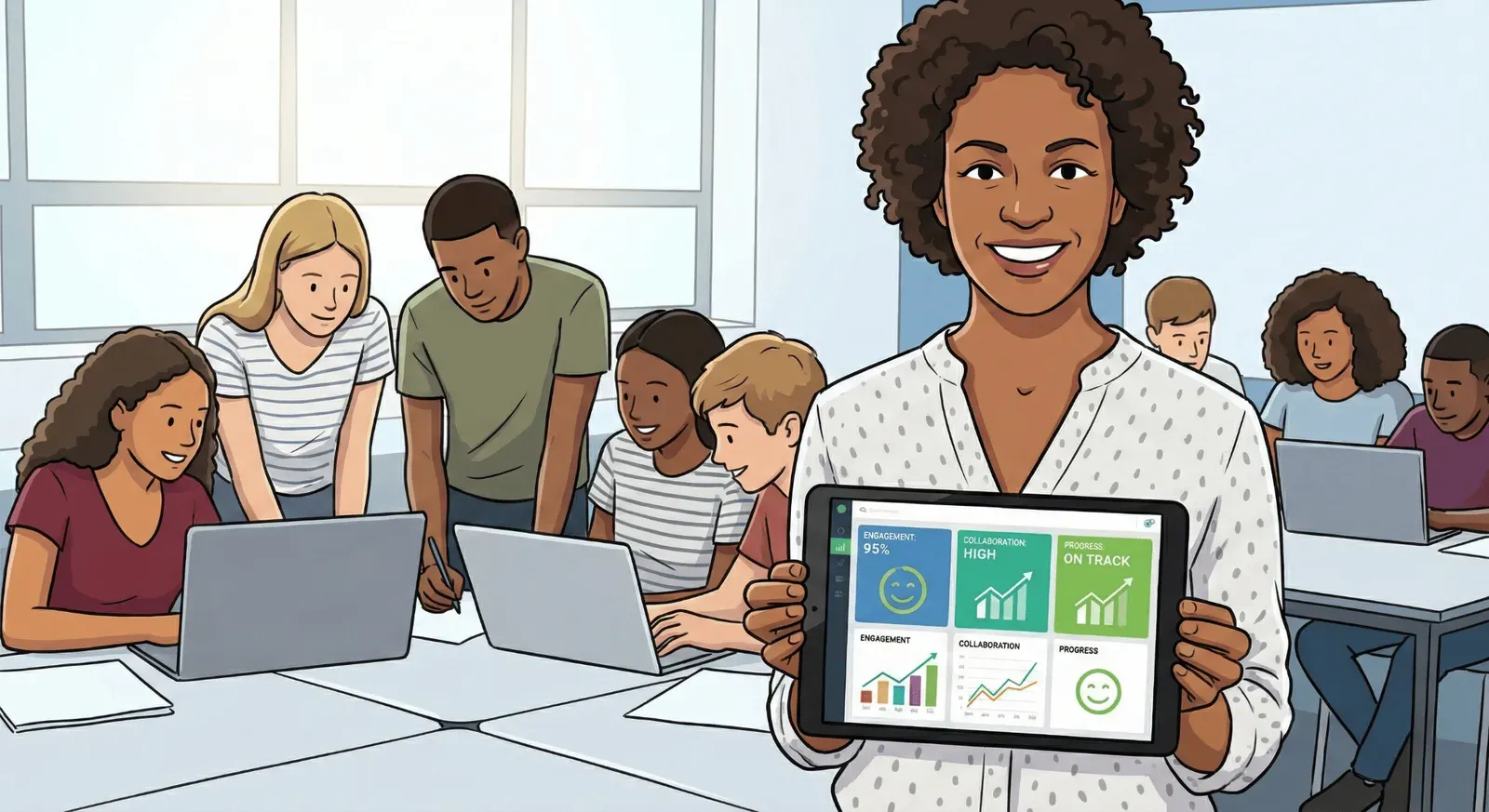
Try using digital tools for real-time feedback and signals from your students. Classroom chat features can allow shy students to participate. Try popular polling apps or shared digital whiteboards to get feedback from all of your students at once.
Use data dashboards to track behavior trends. They can help you compare the most common kinds of poor behavior you’re dealing with, and which students are most disruptive. Student self-reports can also help you analyze what needs to change in your classroom, or better understand what recurrent problems are most impeding student learning.
Include visual timers or reminders as responsive nudges. These help students self-monitor by allowing them to track how long they’re spending on a task. Reminders or to-do lists can provide a clear plan for how they should use their time. While this won’t solve all of your behavioral problems, it can help keep the majority of students engaged and on-task, without your individual energy and willpower.
Overcoming Common Barriers
Classroom management isn’t one size fits all, but there is hope for every class.
Sometimes a class seems too big to control, especially if there are two combined classes for instruction (hello, learning buddies!). If you are dealing with large numbers, try micro-strategies. Use short lessons to deliver content and teach skills in manageable chunks. Avoid overwhelming the undoubtedly energetic group with long, tedious lessons.
Use peer systems to help foster positive collaboration and meaningful connections between students. Or, stay attentive to the needs of your students with a tiered-response approach. Deliver a lesson for the whole class, then give extra support to struggling or high-needs students.
If there are some students who seem resistant to all your instruction, take a step back. Try mending your relationship with the students and focusing on restorative practices. This could look like hosting regular restorative circles, where students are prompted to share opinions in a guided discussion. When students are emotionally regulated, they behave better. When they enjoy meaningful relationships in the classroom, they want to behave better.
Inconsistent school policies or unsupportive administration can feel isolating. In these situations, advocate for yourself and the needs of your students. Align with your team, and voice your concerns to other teachers in your grade level, or even administrators. Ask for cross-role teaming to better divide and conquer issues as a team. Don’t drown in your own classroom!
Maybe you’re feeling overwhelmed and burnt out. Reach out to your colleagues and administration for support. Practice reflecting on your achievements, progress, and goals for the future, instead of being bogged down by regrets and mistakes. Most of all, care for yourself as a person. Take care of your physical and mental health outside of work. When you’re calmer and more emotionally regulated, your classroom will follow, and you will be better equipped to deal with the daily challenges and stressors of effective classroom management.
The Future of Classroom Management
Teachers today are pioneering the future of technology in the classroom. One day, teachers may be alerted by AI-augmented signals of students’ off-task behaviors or distress. Students themselves may help monitor the classroom atmosphere through the use of digital dashboards.
Adaptive classrooms may develop that respond dynamically to classroom engagements (think sound cues for transitions or dimmed lights for independent computer assignments). Classrooms may grow into responsive spaces instead of rigid structures.
How You Can Move Forward
Effective classroom management is a learning process. It requires patience and the right toolkit.
If you are looking to deepen student motivation, streamline your day, and better your classroom management, we are here to help.
Want to see what Mission.io can do for your classroom culture? Check out Mission.io’s tips on how to use technology tools to boost engagement.