What Makes a Successful Professional Learning Community?
Ryann Garland

Tired, drooping eyes are not new to any of us. Hey, someone has to stay up late analyzing the latest performances on Dancing with the Stars, right? Some days, bringing energy and life to the classroom comes naturally. Other days need the help of a large caffeine kick. (Hello, Dr. Pepper Creamy Coconut. My dear, sweet friend!)
Luckily, you don’t have to rely on caffeine alone to bring energy, life, and essential skills to the classroom. Professional learning communities (PLCs) are spaces that allow educators to work collaboratively and grow collectively in the service of student learning. When implemented intentionally, PLCs can anchor a school’s professional development and continuous improvement.
What Is a Professional Learning Community?
A professional learning community is a group of educators committed to collective inquiry and shared responsibility for student outcomes. The idea is simple: teachers collaborate regularly to identify learning goals and refine their teaching practices. The impact is bigger than it sounds: teachers who used to work alone start solving problems together.
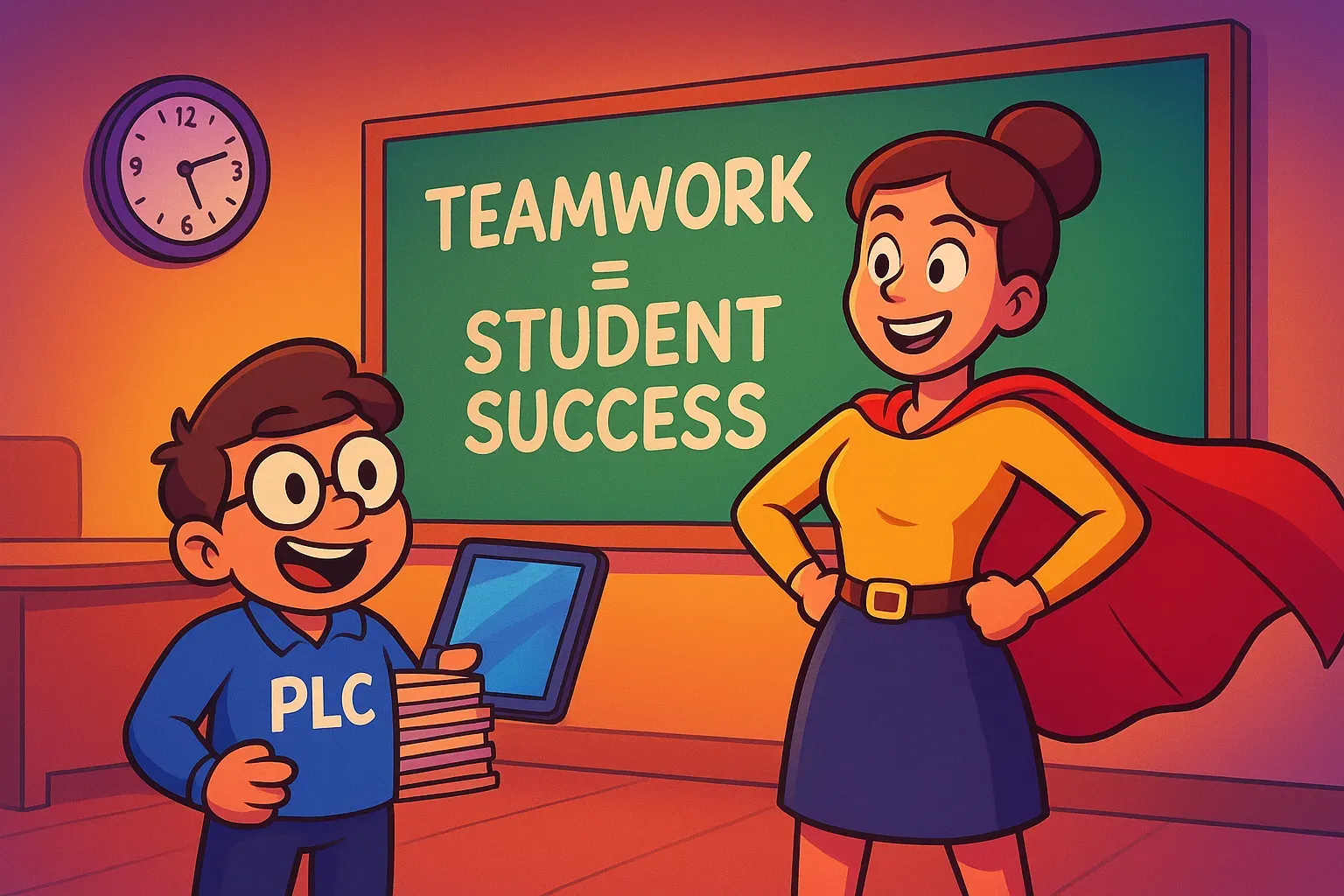
Teaching is a unique and difficult job. PLCs can be like your trusty sidekick in your superhero origin story. Side by side, you can build strong relationships with each other and pull from their collective knowledge and experience to solve specific problems and plan targeted lessons and learning activities.
Why Professional Learning Communities Matter
A good PLC builds a culture of trust and growth among teachers. In many schools, the shift to a collaborative learning community has led to measurable improvements in student achievement and teacher morale.
In a Purdue University dissertation on PLCs, findings showed that some schools started their PLC journey with hesitation, but it soon blossomed into a culture where teachers looked forward to collaboration time. When teachers feel supported, student success follows.
How PLCs Improve Student Learning
A strong professional learning community goes beyond instruction to focus on student learning. That means teachers collect evidence of student progress, analyze it together, and then use it to guide decisions about what comes next.
This cycle keeps instruction matched to what students need right now (and we’re talking real data, not caffeine-fuelled conspiracy theories in the staff lounge). When PLCs are centered around improving student outcomes, teaching becomes more responsive and effective. They create classrooms where students are able to engage in meaningful learning that’s targeted to their needs.
The Structure Behind the Success
Successful PLCs aren’t random. They’re structured around a few core questions:
-
What do we want students to learn?
-
How will we know if they’ve learned it?
-
What will we do if they haven’t?
-
What will we do if they already have?
These questions drive the continuous improvement cycle. They help teams stay focused on student achievement, not just teacher activity.
Professional Learning That Actually Works
Professional development often feels disconnected from daily classroom realities. PLCs flip that script. Because you work with your fellow teachers, they make teacher learning relevant and build a community you can trust to help you deal with those realities. Suddenly, ‘professional development’ doesn’t feel like a four-hour webinar, but actual skill-building and useful collaboration.
Instead of one-off workshops, teachers engage in regular collaboration where they apply new strategies and reflect on outcomes. Over time, as they work together, they’re able to refine their approach. The learning sticks, and it changes as students’ needs change.
Real Collaboration, Real Impact
In high-functioning PLCs, collaboration means more than talking: teachers plan lessons together, share student work, co-create common assessments, and offer peer feedback.
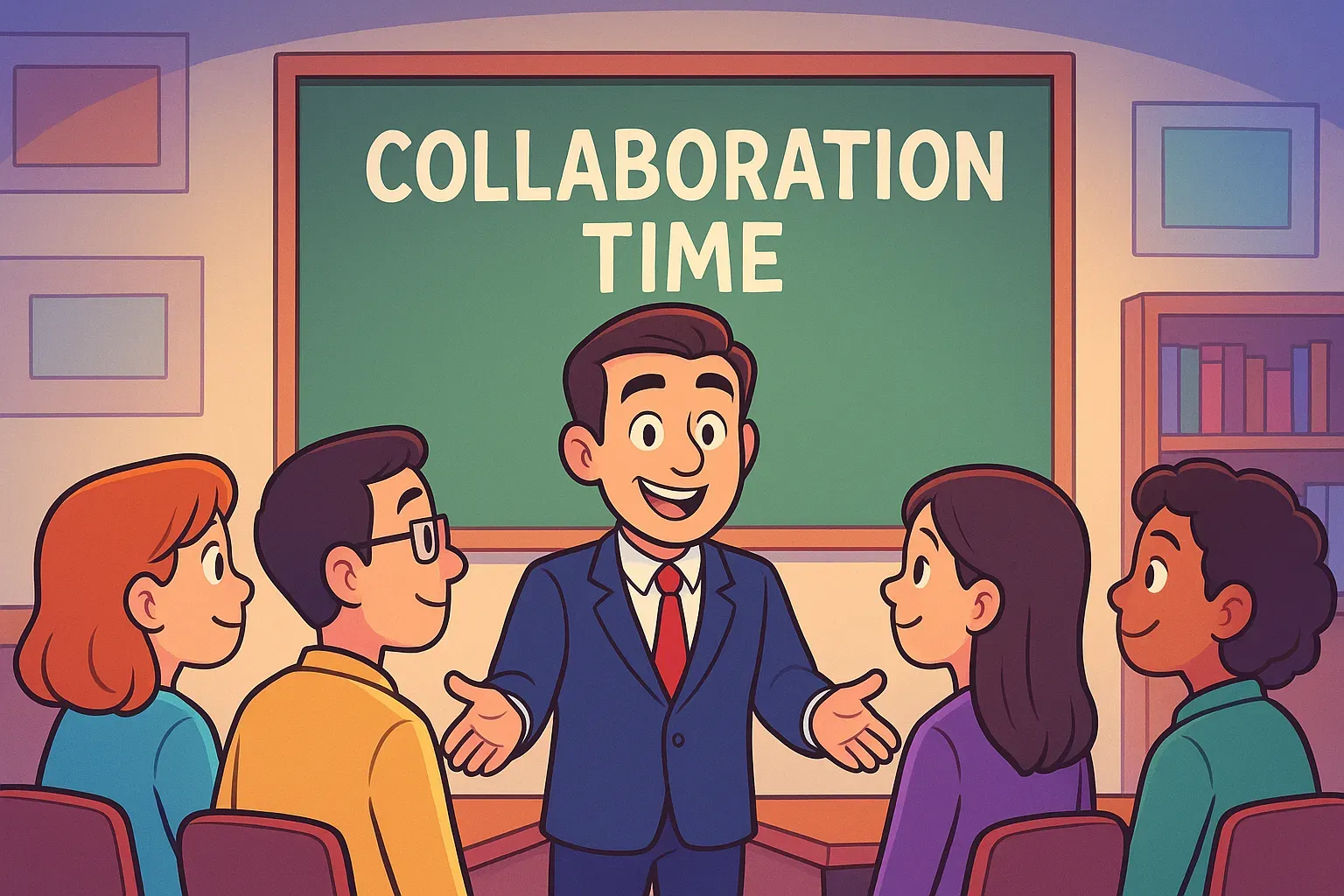
This kind of teacher collaboration builds professional trust and mutual respect. It creates a safe space for honest conversations about what’s working and what’s not.
A study from Brigham Young University shared how the joint lesson planning of various math departments helped align their expectations and support struggling students earlier in the unit than they otherwise would have. BYU found that this collaborative framework helped teachers create a more trusting environment based on mutual accountability, leading to a safe space for growth and development.
Collective Inquiry: Asking the Right Questions
Great PLCs allow teachers to use collective inquiry to identify gaps in understanding, brainstorm innovative ways to teach challenging content, and share ideas that spark new strategies. They reflect on what happened and why it happened. It’s like detective work, but with fewer trench coats and more whiteboard markers.
This spirit of inquiry fuels professional growth. It also builds a shared ownership of student progress across the learning community.
Data Is a Tool, Not a Weapon
In effective PLCs, data isn’t used to judge; it’s used to learn. Teachers use frequent common formative assessments to measure progress toward learning goals. They examine student work together to understand where support is needed.
This collaborative data analysis strengthens instructional decisions. Teachers can respond quickly, and student outcomes improve.
The Role of School Leaders
School leadership plays a big part in building and sustaining professional learning communities. School leaders set the tone, protect time for collaboration, and model reflective practice.
When leaders participate in PLCs as learners themselves, they build a culture where continuous improvement is everyone’s job.
Promoting Learning, Not Just Teaching
Although they help teachers feel supported, the focus of a PLC is student learning, not teacher performance. That changes how teachers view their work.
Instead of operating in silos, they align around shared learning goals and strategies that meet the needs of every student. Teachers also share accountability for student success.
From Compliance to Commitment
Too often, PLCs get reduced to calendar events. But when educators commit to the process, rather than just the schedule, PLCs start to change how a school works.
Real PLCs operate on mutual respect and shared knowledge. Together with the belief that every child’s education is a collective responsibility, this commitment turns routine meetings into mission-driven work.
Building Stronger Relationships
PLCs build stronger relationships among teachers and between teachers and students. When educators align their efforts, students experience more consistent expectations and better feedback throughout the learning process.
This unity boosts trust throughout the school.
Productive Conflict: A Sign of Growth
Disagreement in a PLC usually means people are engaged. Productive conflict allows teams to wrestle with tough questions, challenge assumptions, and ultimately, sharpen their practices.
The key is to keep the focus on student learning and maintain mutual respect. When handled well, disagreement leads to better ideas.
The Ongoing Process
A professional learning community is an ongoing cycle of inquiry, action, and reflection, so don’t expect a quick fix. The most successful PLCs evolve over time, adapting to changing student needs. They also allow teachers to work together to address curriculum shifts and school or district functions and emphases.
That flexibility is their biggest strength: a PLC becomes a framework for handling whatever gets thrown at teachers.
From PLC to School Culture
In schools where PLCs are deeply embedded, they shape the culture of the building. The entire teaching staff sees collaboration, reflection, and shared responsibility as the norm.
That culture change doesn’t happen overnight, but it’s worth the effort. Once it takes hold, the results go beyond test scores.
The Role of Shared Assessments
Common assessments give PLCs a way to measure impact and evaluate student learning across classrooms. They help teachers go beyond their classroom to identify trends within an entire grade or subject. This allows them to celebrate student progress and adjust instruction quickly when needed.
Standardization is often seen as a negative word, but shared assessments show teachers clearly which instruction is working.
Lesson Planning with Purpose
PLCs also go beyond talking and offer dedicated time for teachers to get work done together. Many schools use PLC time for co-planning lesson plans that align with learning standards and success criteria.
When teachers work together to design instruction, they tap into shared expertise. They also build a common understanding of quality teaching that supports consistency for students.
Encouraging Divergent Thinking
Even as PLCs align instructional practices, they also encourage divergent thinking. Teachers bring different perspectives, try new ideas, and learn from one another.
This balance of alignment and new ideas keeps teaching fresh and PLCs flexible.
The Power of Action Research
Some PLCs dive into action research, such as testing new strategies and collecting data. When combined with reflection once they achieve results, this kind of professional learning deepens teacher understanding and puts inquiry into motion.
Unlike a lecture nobody wanted to attend, this PD is teacher-driven, student-centered, and evidence-based, and what works in one classroom can often spread to others.
Social Media and Virtual PLCs
Professional learning communities don’t have to be in-person. Many educators build PLCs through social media sites like X (formerly Twitter), Facebook groups, or online platforms. Finally, a good reason to check your feed other than a doomscroll in the face of that pile of papers to grade.
These virtual teams allow teachers to connect across buildings, districts, or even continents. The goal remains the same: share ideas and improve practice.
Mission.io: Built to Support PLCs
At Mission.io, we believe every teacher deserves powerful, relevant professional learning. Our Missions give PLCs something concrete to work with: after every Mission, each student gets a report on how well they did, which a team can review together.
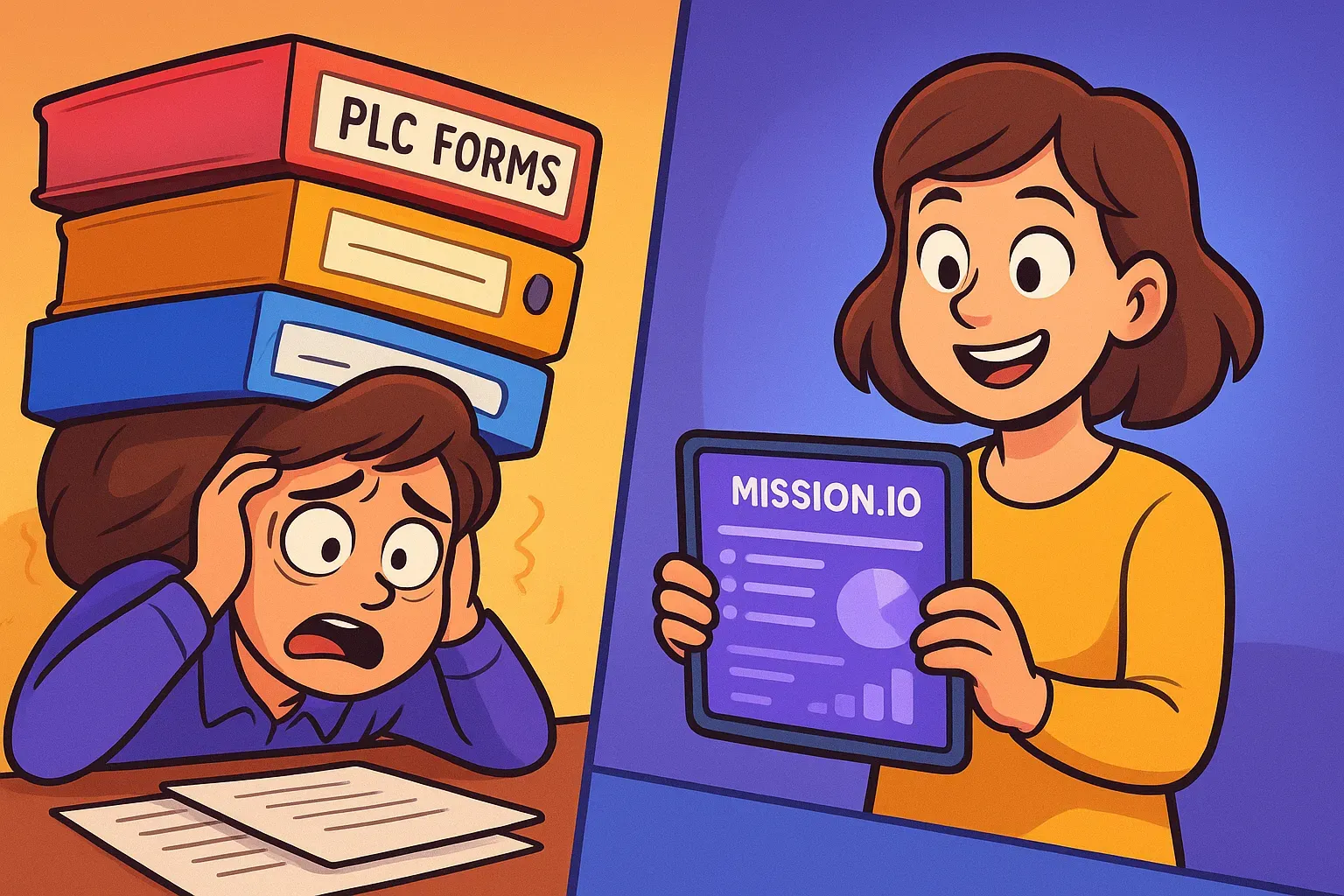
Each Mission includes checkpoints that generate student thinking and provide teachers with usable data, perfect for PLCs looking to respond to learning needs quickly. You don’t need a binder full of forms to run a great PLC. (Unless you like carrying around a binder the size of a small child. You do you.) You need the right tools and a shared commitment to growth.
Teaching Is a Team Sport
No teacher should have to go it alone. Professional learning communities create space for educators to learn from each other and stay focused on what matters most: student learning.
Strong PLCs support stronger teachers. And stronger teachers create better outcomes for kids. Let’s build them together.