How to Teach Kids Collaboration Through Literacy
Ryann Garland
The Power of Collaborative Literacy
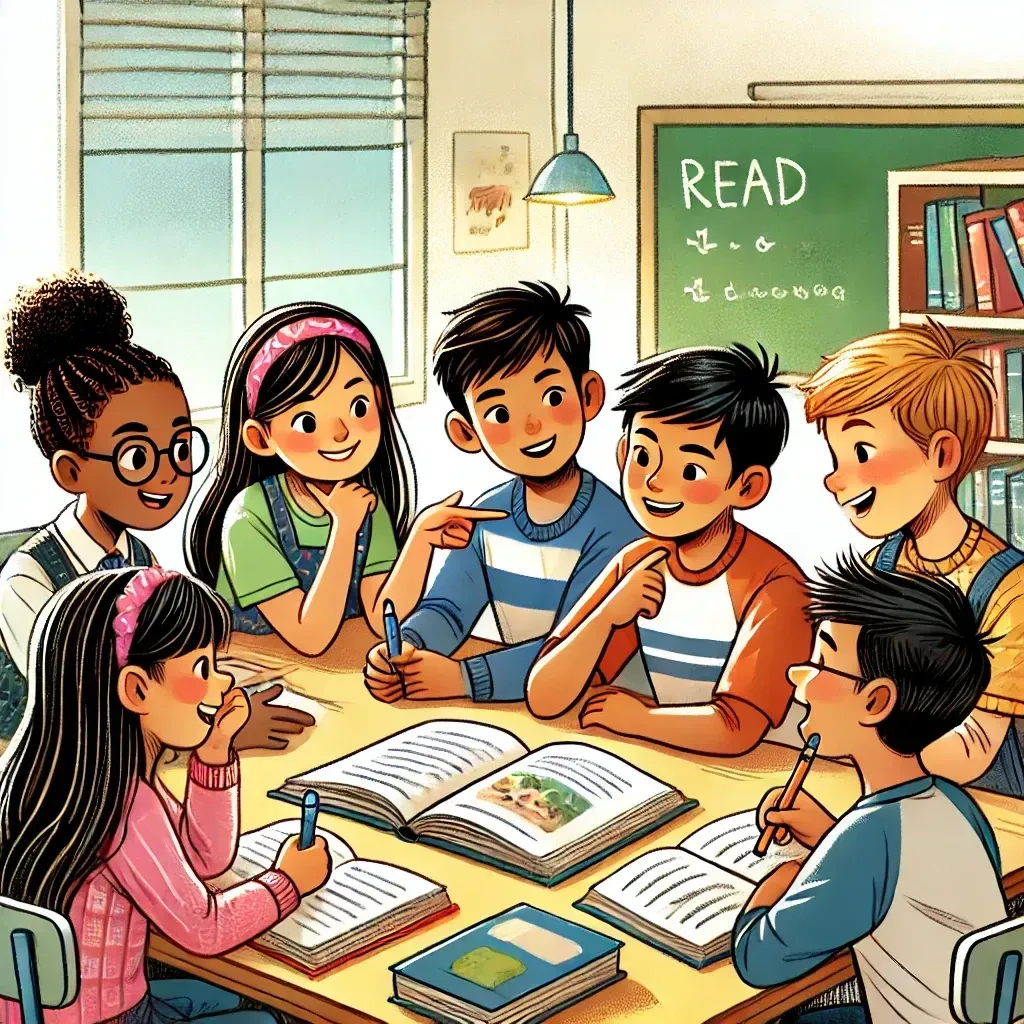
The power of literacy isn’t found in the silence of a quiet reading time but in the collaboration and conversation that follows. For a teacher, it certainly feels like the best days in the classroom are the ones where your students are excited, they’re collaborating, and you can see they’re truly learning together.
Literacy goes beyond decoding words. It’s students making meaning together. As they discuss and share ideas, they refine their understanding. Students encounter increasingly complex texts that are meant to push their thinking and expand their knowledge. While these texts are a great tool, they are also challenging, which is why collaboration is essential.
Collaborative literacy models, such as Collaborative Strategic Reading (CSR) and reciprocal teaching, provide structured ways for students to work together in meaningful discussions. These models give students ownership of their reading: each one takes a role, talks it through with peers, and thinks critically about the text.
As classrooms evolve to meet the needs of every student, including multilingual students, students with learning disabilities, and students with varied interests, collaboration ensures that no student has to tackle literacy challenges alone. By incorporating collaborative reading strategies, educators can create a more inclusive and interactive learning environment where students actively build knowledge together.
What Is Collaborative Strategic Reading?
Collaborative Strategic Reading (CSR) is a reading strategy built around cooperative reading. Through CSR, students work together to make sense of complex texts. CSR is composed of:
-
Previewing the text
-
Identifying key ideas
-
Clarifying difficult words or concepts
-
Asking and answering questions
-
Summarizing information
These elements will guide students through a structured reading process that stretches them to engage more deeply with the text.
Within this framework, students can fulfill different roles that will help them develop various skills. The purpose of CSR is to promote *active discussions *among the students, which can be achieved by each student fulfilling a role. This can vary based on the needs of a class, but implementing CSR should include student roles like a predictor, a clarifier, a questioner, and a summarizer.
The benefits of CSR extend beyond getting students talking. CSR is proven effective in aiding English Language Learners and students with learning difficulties (Klingner, Vaughn, & Boardman, 2007; Klingner et al., 2001). Middle school students who participated in CSR also showed improved reading comprehension (Vaughn et al., 2011).
Collaboration Builds Comprehension and Confidence
Collaboration builds the confidence of each team member and of the team as a whole. It also teaches students communication skills: how to share their ideas, how to compromise, how to respectfully disagree, and more. When students collaborate, they create a shared academic identity that makes the classroom feel safe and comfortable.
When students participate in CSR, they increase their collaboration skills. Through active peer dialogue, students gain a deeper comprehension of the text that they may not have found otherwise (Klingner & Vaughn, 1999).
From Teacher-Led to Student-Driven: The Role of Reciprocal Teaching
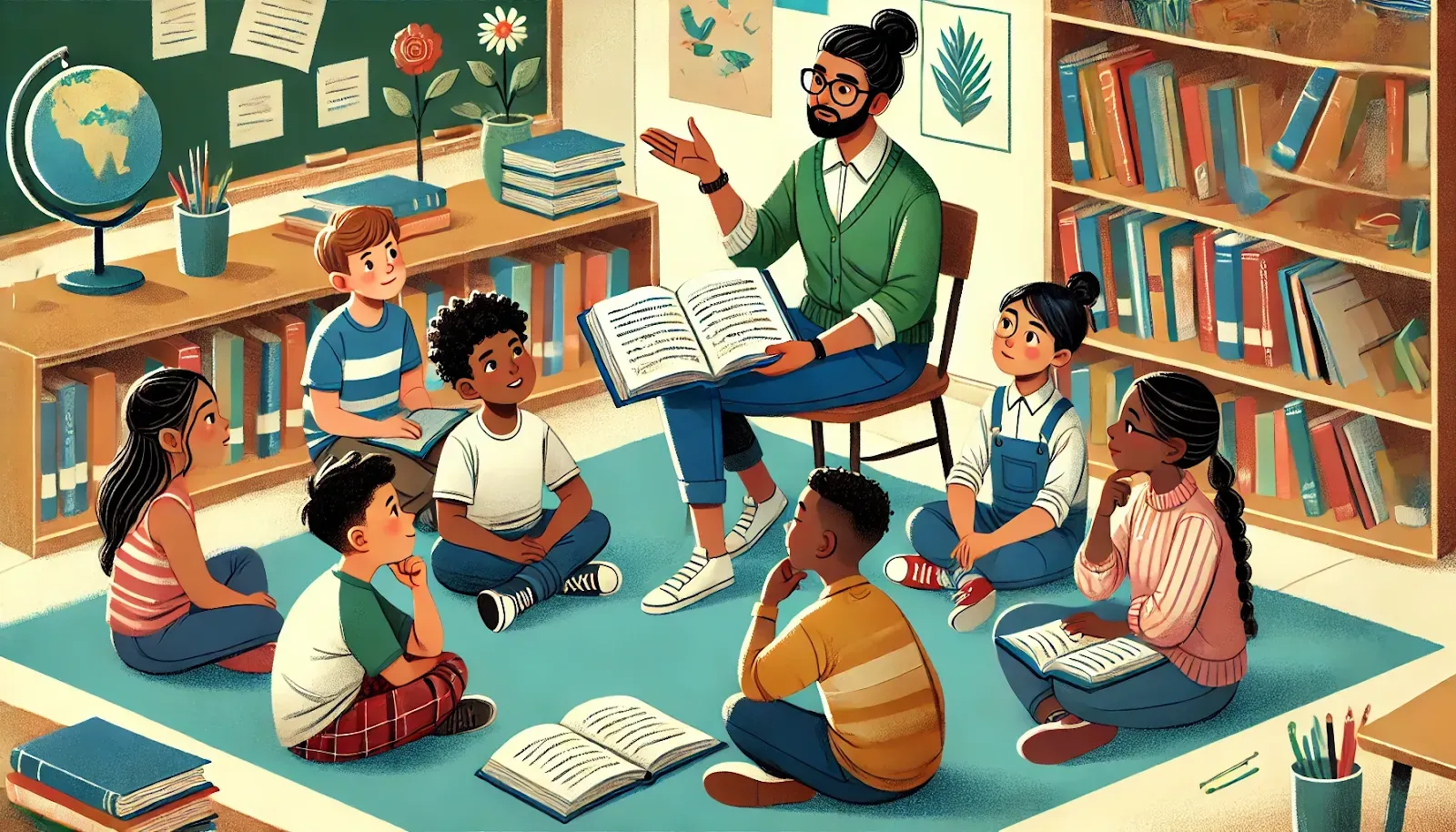
Reciprocal teaching is another way to build reading comprehension. It teaches students cognitive strategies like:
-
*Summarization: *Students can restate main ideas and points in their own words. This could look like students recounting a story’s main events or writing a paragraph that describes the main argument of an article.
-
*Question Generation: *Students can come up with their own questions about a text that help them think deeply and increase their comprehension. Students might ask each other questions like “Why did the character do that?” or “How does this idea relate to what we read earlier?”
-
*Clarification: *Students can ask clarifying questions or explain points clearly to classmates who don’t understand.
-
*Prediction: Here, students can make educated guesses based on research or context clues. *This may look like students predicting the outcome of a story and comparing it to what happens or writing a hypothesis before a science experiment.
The key to reciprocal learning is *open dialogue (*Rosenshine & Meister, 1994). As teachers create an open dialogue with their students, they are modeling the best practices for effective reading. Gradually, reciprocal learning shifts from teacher modeled to student led. When students can take the lead in their learning, they better retain the information presented to them.
Reciprocal learning helps students use specific cognitive strategies to interact with texts more meaningfully. Through summarization, question generation, clarification, and prediction, students take ownership of their own learning.
Language Arts
In a language arts lesson, reciprocal learning could be used when reading a story or a chapter in a short novel. Model summarization with a previous story or chapter, then ask students to summarize the main events with a partner. Try out generating questions about the character’s qualities, motivations, or how the text connects to the world.
Science
During science activities, prediction and clarification are the strategies to practice. Before an experiment, students should always make predictions and explain *why *they think that will happen. For example, students can predict how different amounts of light will help a plant grow. Once the experiment is done, students can clarify their findings by talking them through with classmates.
Reciprocal learning can help deepen student comprehension during any point of the school day: social studies, math, science, and more. Work these four skills into your classroom several times a day.
Going Digital: Gamification and EdTech to Support CSR
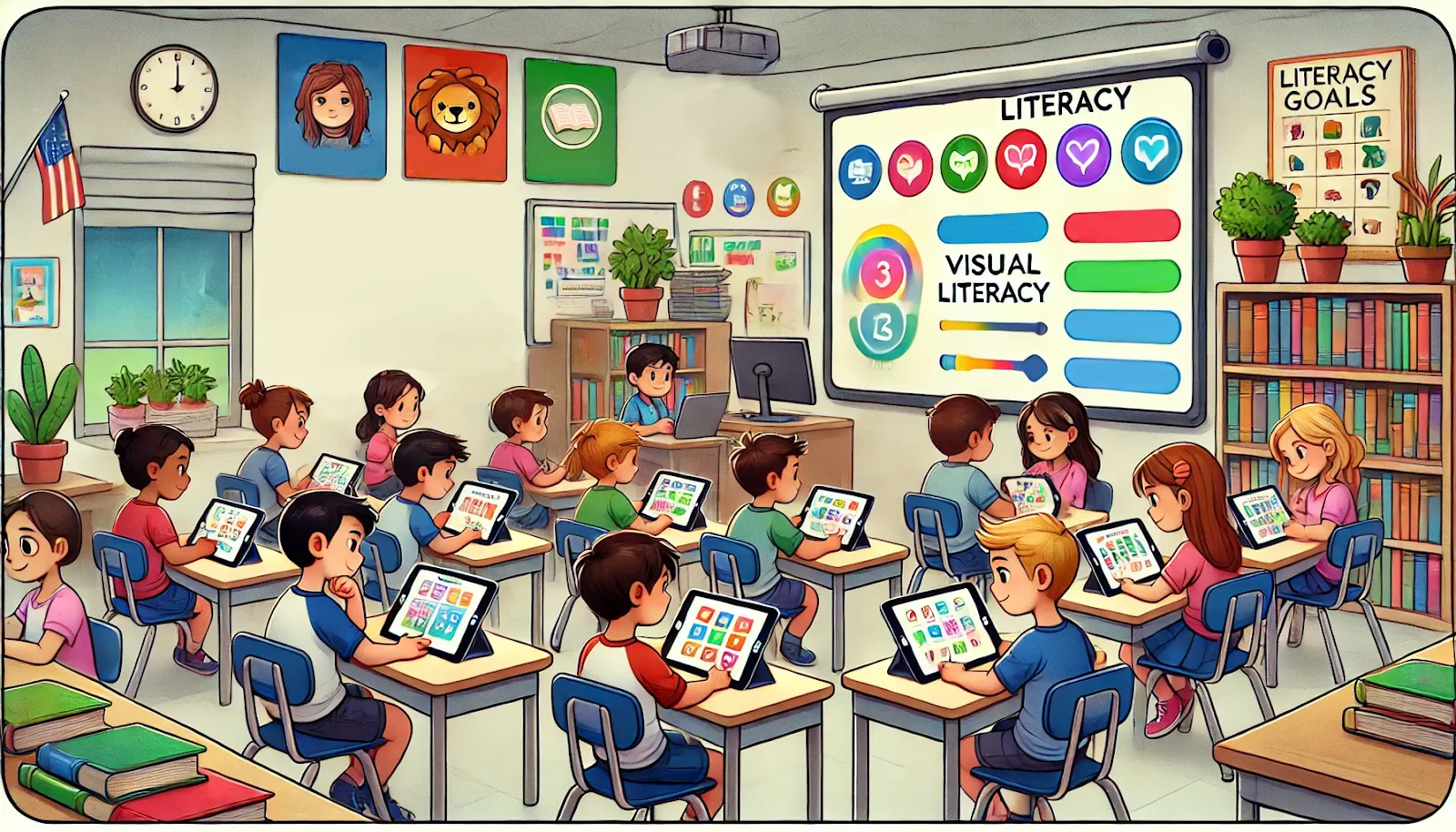
As more technology comes into the classroom, so do new ways to build reading comprehension.
Gamified learning is an opportunity for educators to help students enjoy the learning process. Through increased engagement and collaboration, gamified learning can help students learn the information and see how it applies to the real world.
There are numerous ways to incorporate gamification into the classroom: leaderboards, badges, and interactive challenges are just a few options. All of these elements can increase student participation in digital CSR.
At Mission.io, our Missions are teacher-led, whole-class simulations, and collaboration is built into each one: students take different roles and support one another. Many Missions bring literacy into other subjects, so students can build their reading confidence in every area of learning. Our Missions, from using math to understand an infection to employing digital literacy on an alien planet to aiding settlers in the new world, help students work in collaborative groups while intentionally reading. CSR is incorporated throughout Mission.io so students can understand how their literacy skills will aid them in problem-solving in and outside of the classroom.
Literacy is a shared experience as much as an individual skill. With strategies like CSR and reciprocal learning, educators can turn reading from a solitary task into one students work through together.